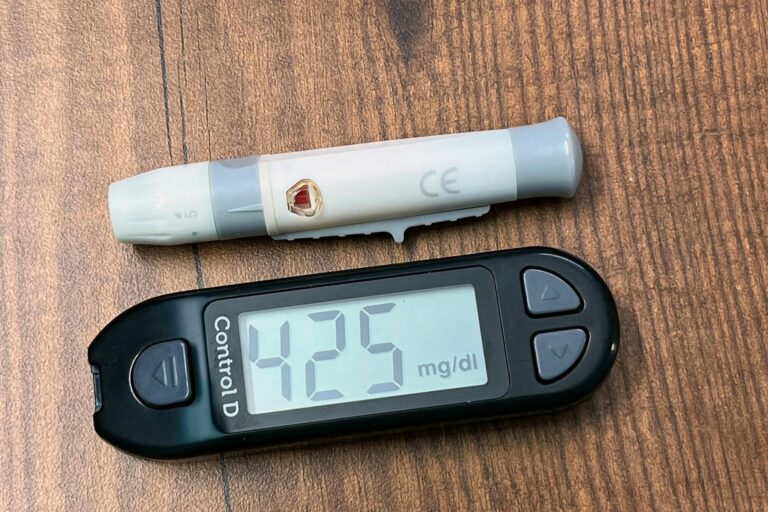
Intermittent fasting and the ketogenic diet are often discussed separately, but they operate on overlapping metabolic principles that make them natural partners. A ketogenic diet shifts your body toward fat burning by restricting carbohydrates; intermittent fasting creates a time-based eating window that amplifies this effect. When combined thoughtfully, they can produce measurable changes in how your body manages energy, hunger, and blood sugar—though the mechanism is less about synergy and more about two compatible systems reinforcing the same metabolic state.
This pillar guide explains what happens when you layer fasting onto keto, who might benefit, what the evidence shows, and how to approach the combination without creating unnecessary stress on your body.
How Ketosis and Fasting Align Metabolically
Both ketogenic eating and intermittent fasting push your body toward ketosis—a metabolic state in which your liver converts fat into ketone bodies for fuel when glucose is scarce. The ketogenic diet achieves this through carbohydrate restriction (typically under 50 g per day). Fasting achieves it through time restriction: when you don’t eat, your glycogen stores deplete within 12–16 hours, and your body begins mobilising fat.
The alignment is straightforward: a ketogenic diet makes it easier to enter and maintain ketosis because you’re not consuming the carbohydrates that would normally refill your glycogen tank. Intermittent fasting accelerates the depletion of that tank. Together, they create a state in which your body spends more of each day in fat-burning mode rather than glucose-burning mode.
Research into carbohydrate restriction shows that lowering carbohydrate intake improves metabolic markers independent of weight loss. A 2019 study in JCI Insight found that people following a carbohydrate-restricted diet experienced improvements in metabolic syndrome—including reductions in fasting insulin, triglycerides, and blood pressure—even when body weight remained stable. This suggests the metabolic benefit isn’t simply about eating less; it’s about the type of fuel your body is using. When you fast on top of a ketogenic foundation, you’re extending the window during which that fuel source (fat and ketones) is being utilised.
Appetite Suppression: Why Hunger Often Decreases
One of the most commonly reported experiences when combining intermittent fasting with keto is reduced hunger—not the white-knuckle willpower kind, but an actual physiological dampening of appetite signals. This happens through multiple mechanisms.
First, ketones themselves appear to suppress appetite. When your body is producing ketones from fat breakdown, these molecules signal satiety to your brain. A 2013 study published in the European Journal of Clinical Nutrition examined appetite-mediating hormones after weight loss and found that ketosis was associated with elevated levels of peptide YY (PYY) and reduced levels of ghrelin—the hormone that triggers hunger. The researchers noted that this hormonal profile persisted even when participants were in a caloric deficit, suggesting ketosis creates a natural appetite-suppressing environment.
Second, the absence of blood sugar spikes (which are rare on keto and non-existent during fasting) means you avoid the subsequent crashes that trigger cravings. Most people who eat a carbohydrate-rich breakfast experience a spike in blood glucose followed by a dip 2–3 hours later, which signals the brain to seek more food. On keto, blood glucose remains stable. During a fasting window, there’s no glucose spike at all.
Third, fat and protein—the primary macronutrients on a ketogenic diet—are more satiating per calorie than carbohydrates. You feel fuller for longer on a smaller volume of food, which makes it easier to maintain a caloric deficit if weight loss is your goal.
This appetite suppression is not universal; some people report increased hunger when fasting, particularly in the first 1–2 weeks. Electrolyte deficiency, dehydration, and insufficient fat intake during eating windows are common culprits. The combination works best for people whose hunger naturally decreases in ketosis.
Insulin Sensitivity and Blood Sugar Control
One of the most robust findings in the literature on both ketogenic diets and intermittent fasting is their effect on insulin sensitivity—the ability of your cells to respond to insulin and take up glucose efficiently. Poor insulin sensitivity is the hallmark of type 2 diabetes and metabolic syndrome.
A 2018 study in Diabetes Therapy examined people with type 2 diabetes following a ketogenic diet with remote coaching. Over one year, the intervention group achieved significant improvements in HbA1c (a marker of long-term blood glucose control), with some participants achieving remission of their diabetes diagnosis. The mechanism: by removing the carbohydrates that normally trigger large insulin releases, the pancreas is no longer working overtime, and cells become more responsive to the insulin that is produced.
Intermittent fasting adds another layer. During a fasting window, insulin levels drop naturally. Over time, this repeated cycling between fed and fasted states—combined with the low-carbohydrate environment of keto—can improve how efficiently your body handles glucose when you do eat.
A 2005 study in Nutrition & Metabolism compared a low-carbohydrate ketogenic diet to a low-glycemic index diet in people with type 2 diabetes. The ketogenic group achieved greater reductions in fasting blood glucose and HbA1c, and required fewer diabetes medications. When intermittent fasting is layered onto this foundation, the fasting periods provide additional time for insulin levels to remain low and cells to recover sensitivity.
This is particularly relevant for people living with type 2 diabetes or prediabetes, though anyone concerned about metabolic health may benefit from the improved insulin dynamics.
What This Means in Practice
Combining intermittent fasting and keto requires intentionality. The most common approach is a 16:8 fasting protocol—16 hours without food, 8-hour eating window—paired with a ketogenic diet during the eating window. Some people use a 14:10 split, particularly if they’re new to fasting or have a demanding work schedule.
A practical example: you might finish dinner at 20:00, fast overnight and through the morning, and break your fast at 12:00 with a keto lunch. During your 8-hour eating window (12:00–20:00), you consume 70–75% of calories from fat, 20–25% from protein, and 5–10% from carbohydrates.
In the UK, building a keto meal during your eating window is straightforward. At Tesco, a typical lunch might include smoked mackerel (£2.50 for a tin), a bag of spinach (£0.80), and a quarter of an avocado (roughly £0.40 from a bulk pack). Add a tablespoon of olive oil and you have a nutrient-dense, satiating meal for under £4.20 that fits comfortably within keto macros and will sustain you through your fasting window.
Electrolytes matter more when fasting. Sodium, potassium, and magnesium losses increase during fasting, and a ketogenic diet naturally increases urinary sodium excretion. Many people experience headaches, fatigue, or muscle cramps in the first 2–3 weeks if they don’t replace these minerals. A simple approach: add a pinch of sea salt to water, consume bone broth, or eat foods rich in potassium (spinach, salmon, mushrooms) and magnesium (pumpkin seeds, almonds, dark chocolate) during your eating window.
Timing matters too. Breaking a fast with a large, fat-heavy meal can cause digestive discomfort. A better approach: start with something modest—a cup of bone broth, a small handful of nuts, or a few slices of cheese—then eat your main meal 30–60 minutes later. This gives your digestive system time to wake up.
Not everyone should combine these approaches. People with a history of eating disorders, those taking insulin or certain diabetes medications, pregnant or breastfeeding women, and anyone with a chronic health condition should consult a healthcare provider before adopting intermittent fasting, particularly on top of a ketogenic diet. The combination is potent and can affect medication requirements.
Who Sees the Biggest Benefits
The evidence suggests intermittent fasting and keto work best together for people with specific metabolic profiles: those living with type 2 diabetes or prediabetes, people with metabolic syndrome, and individuals seeking weight loss who find that standard calorie restriction leaves them hungry.
Women may experience different results than men. Hormonal fluctuations across the menstrual cycle can affect how the body responds to fasting. Some women report that fasting during the luteal phase (the second half of the cycle) triggers increased hunger or fatigue. Adjusting fasting duration or taking breaks from fasting during certain phases can help.
People with polycystic ovary syndrome (PCOS), a condition characterised by insulin resistance and hormonal imbalance, may also benefit. A 2005 pilot study in Nutrition & Metabolism examined a ketogenic diet in women with PCOS and found improvements in insulin levels and a reduction in testosterone. The addition of intermittent fasting could theoretically amplify these effects, though long-term data on the combination in PCOS specifically is limited.
For the keto adaptation timeline, the first 2–4 weeks are critical. Adding fasting during this period can intensify symptoms like fatigue, headaches, and irritability. Many people find it easier to establish a ketogenic diet first, wait 4–6 weeks until they feel stable, and then introduce intermittent fasting.
Common Pitfalls and How to Avoid Them
The most frequent mistake is fasting too aggressively too soon. A 24-hour fast or a 20:4 protocol (20 hours fasting, 4-hour eating window) can work for some people, but starting there often backfires. Hunger becomes overwhelming, energy crashes, and people abandon the approach. A gentler entry—14:10 or 16:8—allows your body to adapt.
Another pitfall is undereating during the eating window. Intermittent fasting can suppress appetite so effectively that people forget to eat enough calories. This sounds like a benefit, but chronic undereating slows metabolism, depletes micronutrients, and eventually triggers rebound hunger. Track your intake for a week or two to ensure you’re hitting your calorie and macro targets.
Electrolyte deficiency is real and often overlooked. Symptoms include headaches, muscle cramps, irregular heartbeat, and fatigue. These are not signs to push harder; they’re signals to add salt and minerals. A simple fix: dissolve half a teaspoon of sea salt in a glass of water and sip it during your fasting window, or consume common keto electrolyte mistakes and how to correct them.
Some people also report that fasting triggers or worsens anxiety or obsessive thoughts about food. If fasting makes you feel worse mentally or emotionally, it’s not the right tool for you right now. The goal is to feel better, not to white-knuckle through discomfort.
The Evidence: What the Studies Show
Direct research on intermittent fasting combined with ketogenic diets is sparse, but the individual evidence bases are strong. A 2013 meta-analysis in the British Journal of Nutrition compared very-low-carbohydrate ketogenic diets to low-fat diets for long-term weight loss. The ketogenic approach produced greater weight loss over 12 months, and the effect persisted when participants were followed for up to 2 years. The mechanism wasn’t simply eating fewer calories; it was the metabolic shift toward fat utilisation.
Intermittent fasting studies show similar results. People who fast intermittently lose weight and improve metabolic markers, but again, the benefit appears to extend beyond simple calorie restriction. The hormonal environment during fasting—elevated growth hormone, reduced insulin, increased noradrenaline—supports fat mobilisation and preservation of lean mass.
When the two are combined, the theoretical advantage is that you’re optimising both the fuel source (fat, via keto) and the metabolic state (fasting-induced fat mobilisation). The practical evidence is mostly anecdotal and from n=1 experiments, but the mechanism is sound and the individual components are well-researched.
Frequently Asked Questions
Q: Can I do intermittent fasting without keto?
A: Yes. Intermittent fasting works independently of diet composition, though many people find it easier to maintain a fasting window on keto because the stable blood sugar and appetite suppression make hunger more manageable. On a standard diet, fasting can feel harder because carbohydrate-induced blood sugar crashes trigger intense cravings.
Q: How long does it take to see results?
A: Weight loss can begin within 1–2 weeks, though much of this is water loss. Metabolic improvements (insulin sensitivity, blood sugar control) typically take 4–8 weeks to become measurable. Energy and hunger changes often appear within 2–3 weeks.
Q: Is it safe to fast while on keto long-term?
A: For most healthy adults, yes. However, if you’re taking diabetes medications, have a history of eating disorders, or have other chronic health conditions, consult your GP first. Medication doses may need adjustment as your insulin sensitivity improves.
Q: What should I drink during a fasting window?
A: Water, black tea, black coffee, and bone broth are fine. Anything with calories or sweeteners (artificial or natural) technically breaks a fast, though some people use small amounts of added fat (butter or MCT oil in coffee) during fasting windows to ease the transition.
Q: Can women do intermittent fasting and keto together?
A: Yes, but hormonal cycles matter. Some women find that shorter fasting windows (14:10 instead of 16:8) or taking breaks during the luteal phase works better. Listen to your body; if you feel persistently fatigued or hungry, adjust the protocol.
The Bottom Line
Intermittent fasting and a ketogenic diet are metabolically compatible and often work better together than separately. Both push your body toward ketosis and fat utilisation; both improve insulin sensitivity and suppress appetite through hormonal mechanisms; both produce measurable improvements in weight, blood glucose, and metabolic markers in the research literature. The combination is particularly useful for people living with type 2 diabetes, metabolic syndrome, or those seeking weight loss without constant hunger.
The key is to start gently—establish keto first, then add fasting—and pay attention to electrolytes, total calorie intake, and how you feel mentally and physically. If you’d rather not do the macro maths yourself, the Keto Dieting app does it for you on Google Play and the App Store.
References
- Bueno NB, de Melo IS, de Oliveira SL, da Rocha Ataide T (2013). Very-low-carbohydrate ketogenic diet v. low-fat diet for long-term weight loss: a meta-analysis of randomised controlled trials. British Journal of Nutrition. https://doi.org/10.1017/S0007114513000548
- Hyde PN, Sapper TN, Crabtree CD, et al. (2019). Dietary carbohydrate restriction improves metabolic syndrome independent of weight loss. JCI Insight. https://doi.org/10.1172/jci.insight.128308
- Sumithran P, Prendergast LA, Delbridge E, et al. (2013). Ketosis and appetite-mediating nutrients and hormones after weight loss. European Journal of Clinical Nutrition. https://doi.org/10.1038/ejcn.2013.90
- Yancy WS, Foy M, Chalecki AM, Vernon MC, Westman EC (2005). A low-carbohydrate, ketogenic diet to treat type 2 diabetes. Nutrition & Metabolism. https://doi.org/10.1186/1743-7075-2-34
- Westman EC, Yancy WS, Mavropoulos JC, Marquart M, McDuffie JR (2008). The effect of a low-carbohydrate, ketogenic diet versus a low-glycemic index diet on glycemic control in type 2 diabetes mellitus. Nutrition & Metabolism. https://doi.org/10.1186/1743-7075-5-36
- Mavropoulos JC, Yancy WS, Hepburn J, Westman EC (2005). The effects of a low-carbohydrate, ketogenic diet on the polycystic ovary syndrome: a pilot study. Nutrition & Metabolism. https://doi.org/10.1186/1743-7075-2-35