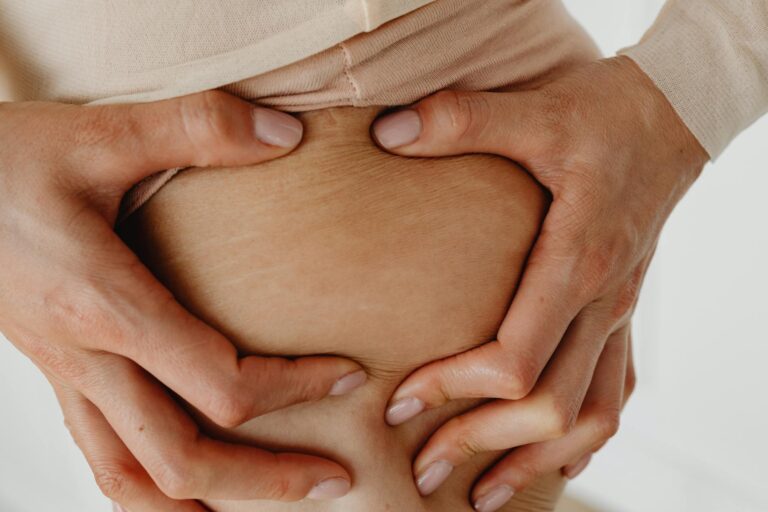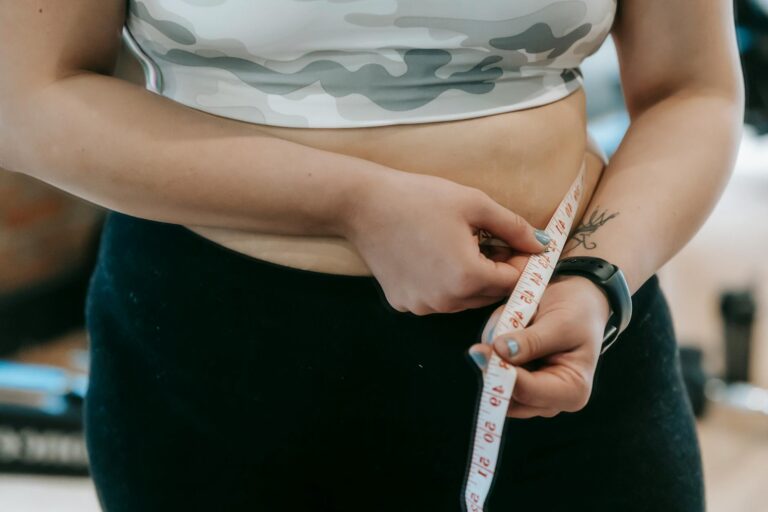
The ketogenic diet shifts how your body uses energy, but weight loss isn’t the only metric that matters. Lean mass—muscle, bone, and water—plays a critical role in metabolic health. Focusing solely on the scale can obscure progress, especially when fat loss coincides with muscle retention or gain.
What Lean Mass Actually Is
Lean mass includes everything in your body that isn’t fat: skeletal muscle, organs, bone, and water. Unlike fat, which stores energy, lean tissue is metabolically active. Muscle burns calories even at rest, contributing to a higher basal metabolic rate. A study by Hallberg et al. (2018) found that preserving lean mass during weight loss improved long-term metabolic outcomes for people with type 2 diabetes.
Why the Scale Lies
Scale weight fluctuates daily due to water retention, glycogen stores, and digestive contents. On keto, initial rapid weight loss often comes from water as glycogen depletes. Later, fat loss may slow while lean mass stabilises or increases—especially if you’re strength training. This can make the scale seem stuck, even as your body composition improves. the keto adaptation timeline explains this in detail.
How to Track Progress Without Obsessing Over Weight
Body measurements, progress photos, and how clothes fit often tell a truer story than the scale. A £25 set of skinfold calipers from Boots can estimate body fat percentage. Smart scales that measure body composition (like those from Withings) are pricier at around £100 but provide consistent tracking. Note that these tools have margins of error—trends matter more than single readings.
What This Means in Practice
Prioritise protein to protect lean mass. Aim for 1.2–2.0 g per kg of ideal body weight daily. For a 70 kg person, that’s 84–140 g of protein. Tesco sells 500 g of chicken breast for £3.20, providing about 120 g protein. Pair this with resistance training twice weekly—even bodyweight exercises count. In winter, indoor workouts avoid weather disruptions. common keto electrolyte mistakes can derail gym performance, so stay hydrated.
Frequently Asked Questions
Does keto cause muscle loss?
Not if protein intake and strength training are adequate. The ketogenic diet spares muscle when calories aren’t severely restricted, as shown in Volek et al. (2008). Muscle loss typically occurs with rapid weight loss or inadequate protein.
How often should I weigh myself?
Weekly or biweekly checks reduce noise from daily fluctuations. Some prefer monthly weigh-ins paired with body measurements. The key is consistency—same time of day, same scale.
Can I build muscle on keto?
Yes, though initial adaptation may reduce strength temporarily. Once fat-adapted, many find endurance improves. For hypertrophy, ensure sufficient calories and protein. Creatine (£15 for 300 g at Myprotein) supports performance.
The Bottom Line
Lean mass sustains metabolic health long after weight loss plateaus. The ketogenic diet, when done with attention to protein and activity, helps preserve this critical tissue. Track progress beyond the scale with measurements, photos, and performance metrics. If you’d rather not do the macro maths yourself, the Keto Dieting app does it for you on Google Play and the App Store.
References
- Hallberg SJ, McKenzie AL, Williams PT, et al. (2018). Effectiveness and Safety of a Novel Care Model for the Management of Type 2 Diabetes at 1 Year: An Open-Label, Non-Randomized, Controlled Study. Diabetes Therapy. https://doi.org/10.1007/s13300-018-0373-9
- Volek JS, Phinney SD, Forsythe CE, et al. (2008). Carbohydrate restriction has a more favorable impact on the metabolic syndrome than a low fat diet. Lipids. https://doi.org/10.1007/s11745-008-3274-2