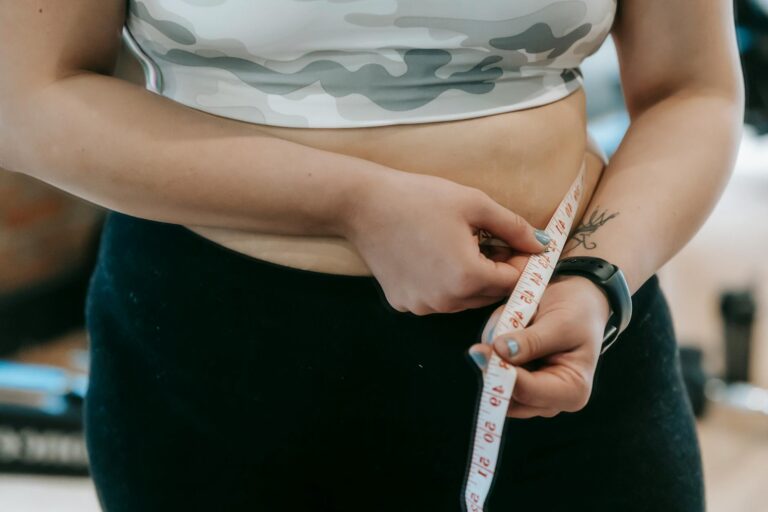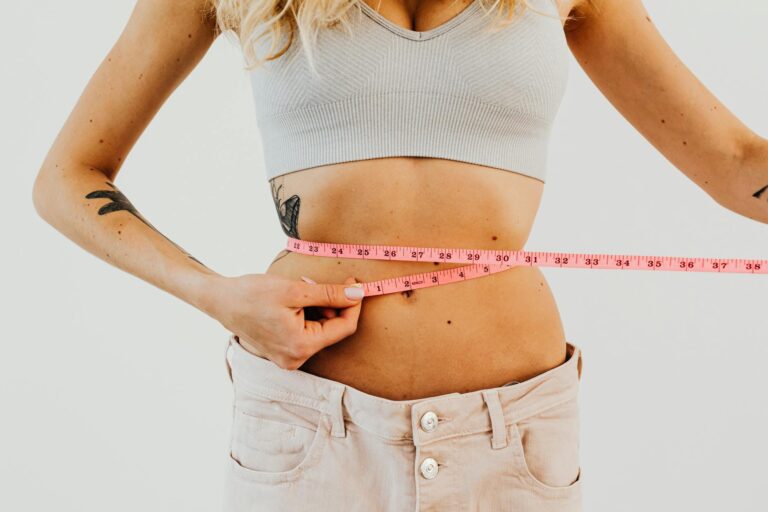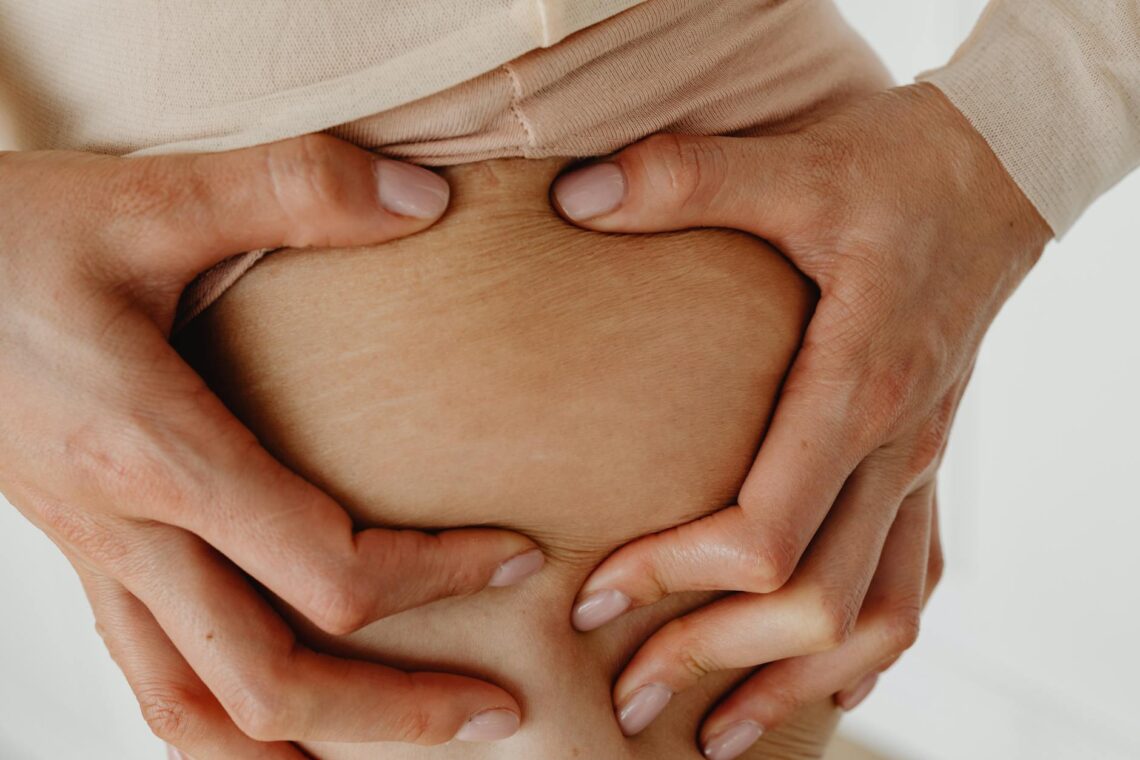
Losing a significant amount of weight on any diet, including a ketogenic diet, can sometimes lead to loose skin. This is because skin, which expands to accommodate increased body mass, may not always fully retract after weight loss. The extent of loose skin depends on several factors, including age, genetics, and the amount of weight lost.
Factors Affecting Skin Elasticity
Skin elasticity is primarily determined by collagen and elastin, two proteins that provide structure and flexibility. As we age, the production of these proteins naturally declines, reducing skin’s ability to bounce back. Significant weight loss, particularly if it’s rapid, can further strain the skin’s elasticity. Genetics also play a role; some people are simply predisposed to having more elastic skin than others. The amount of weight lost is a key factor, with more substantial weight loss generally resulting in more noticeable loose skin. intermittent fasting for weight loss can also affect the rate of weight loss and, consequently, skin elasticity.
Strategies to Support Skin Health
While you can’t completely eliminate the possibility of loose skin, several strategies can help support skin health during and after weight loss. Staying hydrated is crucial, as water helps maintain skin elasticity and overall health. Consuming a diet rich in protein and healthy fats can provide the building blocks for collagen and elastin production. Resistance training exercises can help build muscle mass, which can fill out some of the space left by lost fat, improving the appearance of loose skin. Some people also consider topical treatments like moisturising creams, though their effectiveness is limited.
The Role of the Ketogenic Diet
The ketogenic diet itself doesn’t directly cause loose skin, but the rapid weight loss often associated with it can be a contributing factor. A ketogenic diet, which involves drastically reducing carbohydrate intake and increasing fat consumption, shifts the body into a state of ketosis, where it burns fat for fuel. This can lead to significant weight loss in a relatively short period. While this can be motivating, it’s important to be aware of the potential impact on skin elasticity. keto and metabolic health are intertwined, and a healthy metabolism supports overall skin health.
What This Means in Practice
In the UK, you can find collagen supplements at most supermarkets and health food shops. Holland & Barrett, for example, sells various collagen powders and capsules, with prices starting around £15 for a month’s supply. While the evidence supporting their effectiveness is mixed, some people find them helpful. Remember that a balanced diet, adequate hydration, and regular exercise are the cornerstones of healthy skin. Consider incorporating bone broth into your diet, which is rich in collagen and other nutrients. You can find ready-made bone broth at Tesco for around £3.50 a carton, or make your own at home.
Frequently Asked Questions
Will I definitely have loose skin after keto?
Not necessarily. The likelihood of developing loose skin depends on factors like age, genetics, the amount of weight you lose, and how quickly you lose it. Gradual weight loss and proactive skin care can help minimise the risk.
Can I tighten loose skin naturally?
While you can’t completely reverse loose skin without medical intervention, you can improve its appearance through hydration, a healthy diet, resistance training, and topical treatments. These strategies support skin elasticity and muscle growth.
Are there any medical treatments for loose skin?
Yes, several medical treatments are available, including surgery (such as a tummy tuck), laser treatments, and radiofrequency therapy. These options can help tighten and smooth loose skin, but they are typically more invasive and expensive.
How long does it take for skin to tighten after weight loss?
The timeframe for skin tightening varies greatly. In some cases, skin may naturally retract over several months to a couple of years. However, significant loose skin may not fully tighten without intervention.
The Bottom Line
Loose skin after weight loss, including weight loss achieved through a ketogenic diet, is a possibility, but not a certainty. Factors like age, genetics, and the amount of weight lost play a significant role. Supporting skin health through hydration, a nutrient-rich diet, and resistance training can help minimise the appearance of loose skin. Remember that everyone’s body responds differently, and patience is key. If you’d rather not do the macro maths yourself, the macro tracker in the Keto Dieting app does it for you on Google Play and the App Store.
References
- Sumithran P, Prendergast LA, Delbridge E, et al. (2013). Ketosis and appetite-mediating nutrients and hormones after weight loss. European Journal of Clinical Nutrition. https://doi.org/10.1038/ejcn.2013.90
- Hyde PN, Sapper TN, Crabtree CD, et al. (2019). Dietary carbohydrate restriction improves metabolic syndrome independent of weight loss. JCI Insight. https://doi.org/10.1172/jci.insight.128308