Coconut flour is a popular ingredient in ketogenic baking, but it behaves very differently from wheat flour. Understanding the coconut flour substitution rules is essential for avoiding dry, crumbly, or dense results. Its high fibre content and absorbency mean you can’t simply swap it one-for-one in your favourite recipes. The key is to use significantly less coconut flour and increase the liquid and egg content to compensate.
Why Coconut Flour is Different
Unlike wheat flour, which contains gluten, coconut flour is gluten-free and primarily composed of fibre. This makes it incredibly absorbent, soaking up much more liquid than traditional flours. A meta-analysis of randomised controlled trials showed that very-low-carbohydrate ketogenic diets can be a tool for long-term weight loss [1]. This makes coconut flour a popular choice for those following a ketogenic diet, but its unique properties require adjustments to traditional baking methods.
Coconut Flour Substitution: The Basics
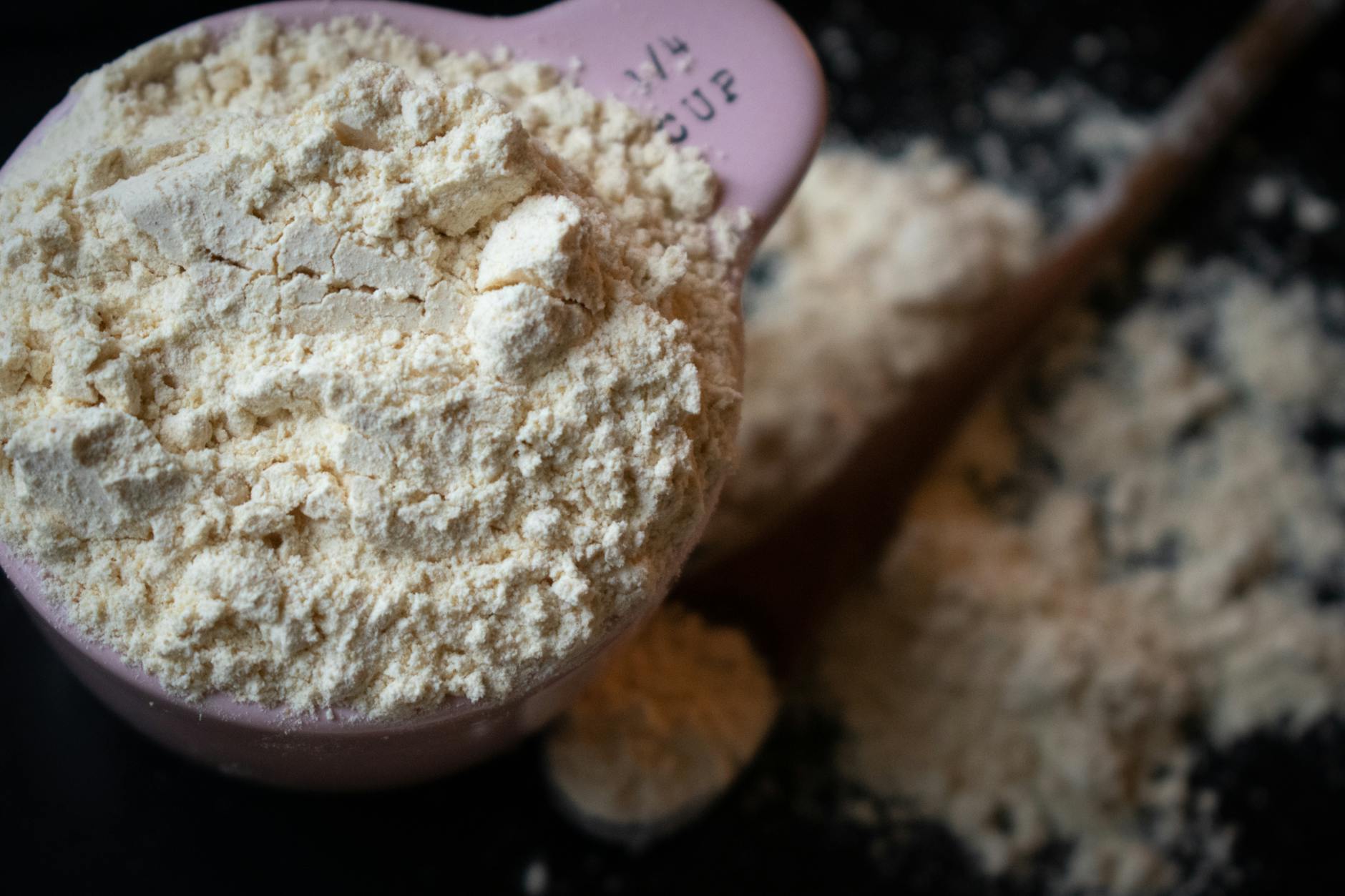
As a general rule, substitute approximately 1/4 to 1/3 cup of coconut flour for every 1 cup of wheat flour. Because of its high absorbency, you’ll also need to increase the amount of liquid in the recipe. For every 1/4 cup of coconut flour used, add 1/4 cup of liquid (such as water, milk, or cream) and one egg. These adjustments help maintain the correct moisture balance and structure in your baked goods.
Tips for Successful Coconut Flour Baking
- Start small: Begin by substituting a small amount of coconut flour in your recipe and gradually increase it until you achieve the desired texture.
- Hydrate the flour: Allow the batter to sit for a few minutes before baking. This gives the coconut flour time to fully absorb the liquid.
- Use eggs: Eggs provide structure and moisture, which are crucial when baking with coconut flour. Don’t be afraid to add an extra egg or two.
- Consider other ingredients: Ingredients like psyllium husk or xanthan gum can help improve the texture of coconut flour baked goods. Other keto-friendly thickeners can also help bind the dough.
What this means in practice
Let’s say you’re adapting a muffin recipe that calls for 200g of plain flour. You’d start by using around 50-65g of coconut flour instead. You’ll also need to add extra liquid – perhaps 60ml of unsweetened almond milk – and an extra egg. You can buy 500g of coconut flour for around £3 at Tesco. Remember to let the batter sit for about five minutes before baking to allow the coconut flour to absorb the liquid fully. This step is crucial for achieving the right texture.
Frequently asked questions
Can I substitute coconut flour for almond flour?
No, coconut flour and almond flour are not interchangeable. Coconut flour is much more absorbent than almond flour, so you’ll need to adjust the liquid and egg content accordingly.
Why are my coconut flour baked goods so dry?
This is usually due to not using enough liquid or eggs. Make sure to increase the liquid and egg content as per the substitution rules.
Can I use coconut flour in bread recipes?
Yes, but it can be challenging. Coconut flour bread often requires a combination of other flours and binders to achieve a bread-like texture. Experiment with different recipes and techniques to find what works best.
How should I store coconut flour?
Store coconut flour in an airtight container in a cool, dry place. It can also be stored in the refrigerator to extend its shelf life.
The bottom line
Coconut flour is a valuable ingredient for ketogenic and gluten-free baking, but it requires a different approach than traditional flours. By understanding the coconut flour substitution rules and following the tips outlined above, you can create delicious and satisfying baked goods. Remember to adjust the liquid and egg content, hydrate the flour, and experiment with other ingredients to achieve the desired texture. And if you’re struggling to find inspiration, a keto recipe site can help. If you’d rather not do the macro maths yourself, the macro tracker in the Keto Dieting app does it for you on Google Play and the App Store.
References
- Bueno NB, de Melo IS, de Oliveira SL, da Rocha Ataide T (2013). Very-low-carbohydrate ketogenic diet v. low-fat diet for long-term weight loss: a meta-analysis of randomised controlled trials. British Journal of Nutrition. https://doi.org/10.1017/S0007114513000548