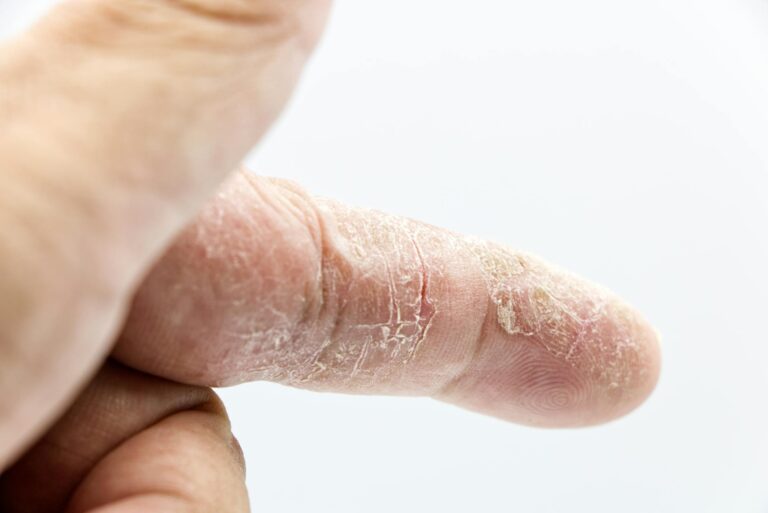
Acne is a common skin condition that affects millions. While the exact causes are multi-faceted, emerging research suggests a link between diet, hormones, and inflammation. A ketogenic diet, very low in carbohydrates, may influence acne through its effects on insulin and a related hormone called insulin-like growth factor 1 (IGF-1).
The Insulin-Acne Connection
High-glycemic diets, rich in refined carbohydrates, can lead to spikes in blood sugar and insulin levels. Elevated insulin stimulates the production of androgens, male hormones that are present in both men and women. Androgens, in turn, increase sebum production, an oily substance that can clog pores and contribute to acne formation. Furthermore, high insulin levels can promote inflammation, another key factor in acne development.
The Role of IGF-1
Insulin-like growth factor 1 (IGF-1) is a hormone similar in structure to insulin. It plays a crucial role in growth and development. High insulin levels also drive up IGF-1 levels. Elevated IGF-1 can further exacerbate acne by increasing sebum production and promoting the growth of skin cells called keratinocytes, which can also contribute to clogged pores. By lowering insulin, a ketogenic diet may reduce IGF-1 and its acne-promoting effects.
How Keto May Help
The ketogenic diet, by restricting carbohydrate intake, helps to stabilise blood sugar and lower insulin levels. This, in turn, can lead to a reduction in androgen and IGF-1 production, potentially reducing sebum production and inflammation. Some people report improvements in their skin after adopting a ketogenic diet, although individual results can vary. the role of dairy on keto
What This Means in Practice
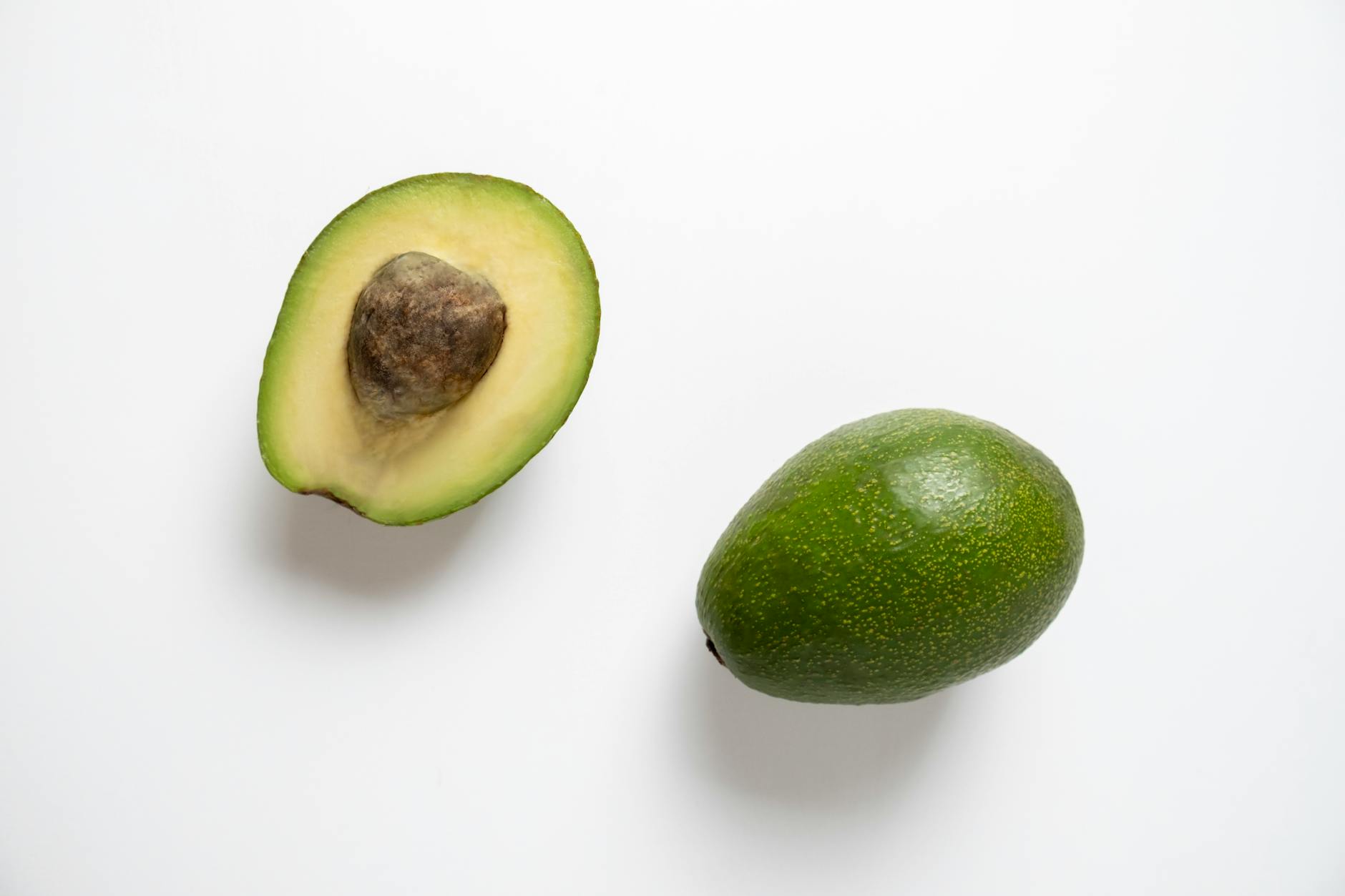
Consider a typical British diet high in processed carbohydrates like white bread, pasta, and sugary drinks. These foods cause rapid spikes in blood sugar and insulin. Switching to a ketogenic approach means focusing on whole, unprocessed foods like meat, fish, eggs, and non-starchy vegetables. For example, swapping a lunchtime sandwich on white bread for a salad with grilled chicken and avocado, dressed with olive oil, is a step in the right direction. A 200g avocado at Tesco costs about £1.20. By reducing your reliance on fast carbs, you might improve your skin.
Caveats and Considerations
It’s important to note that the relationship between diet and acne is complex and not fully understood. While a ketogenic diet may be beneficial for some, it’s not a guaranteed solution for everyone. Other factors, such as genetics, hormones, stress, and skincare routine, also play a significant role. Additionally, some people may experience a temporary worsening of acne when starting a ketogenic diet, possibly due to detoxification or hormonal shifts. It’s always best to consult with a dermatologist or healthcare professional for personalised advice.
Frequently Asked Questions
Can keto cure acne?
No diet can guarantee a cure for acne. However, the ketogenic diet may help improve acne symptoms in some individuals by addressing underlying hormonal and inflammatory factors.
How long does it take to see results?
It varies from person to person. Some may notice improvements in their skin within a few weeks, while others may require several months of consistent adherence to the ketogenic diet.
Are there any risks associated with keto for acne?
Some people may experience a temporary worsening of acne when starting keto. It’s also important to ensure adequate nutrient intake and stay hydrated. keto flu symptoms and remedies
Should I consult a doctor before starting keto for acne?
It’s always a good idea to consult with a dermatologist or healthcare professional before making significant dietary changes, especially if you have underlying health conditions.
The Bottom Line
The ketogenic diet, by lowering insulin and IGF-1 levels, may offer a potential avenue for improving acne symptoms. However, it’s not a one-size-fits-all solution, and individual results may vary. A balanced approach that considers other factors, such as skincare and stress management, is crucial. If you’d rather not do the macro maths yourself, the Keto Dieting app does it for you on Google Play and the App Store.
References
- Hyde PN, Sapper TN, Crabtree CD, et al. (2019). Dietary carbohydrate restriction improves metabolic syndrome independent of weight loss. JCI Insight. https://doi.org/10.1172/jci.insight.128308
- Sumithran P, Prendergast LA, Delbridge E, et al. (2013). Ketosis and appetite-mediating nutrients and hormones after weight loss. European Journal of Clinical Nutrition. https://doi.org/10.1038/ejcn.2013.90