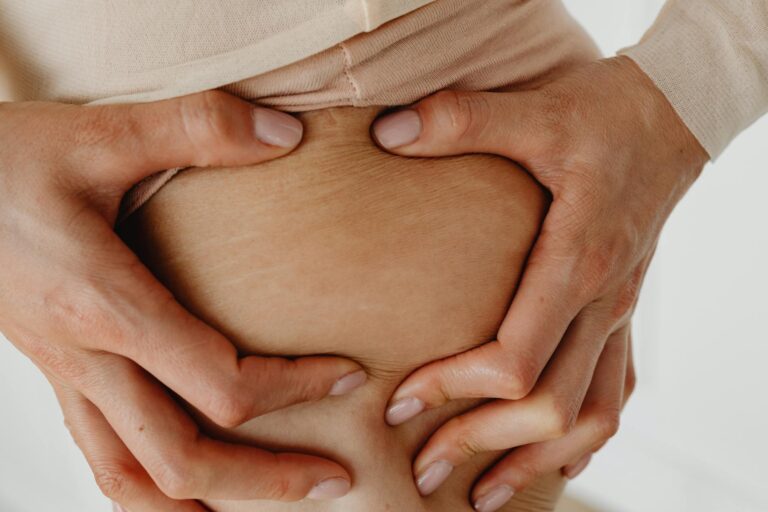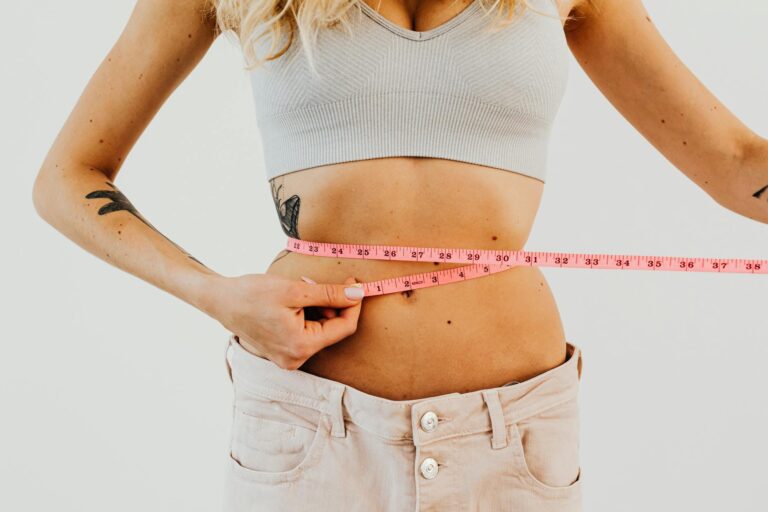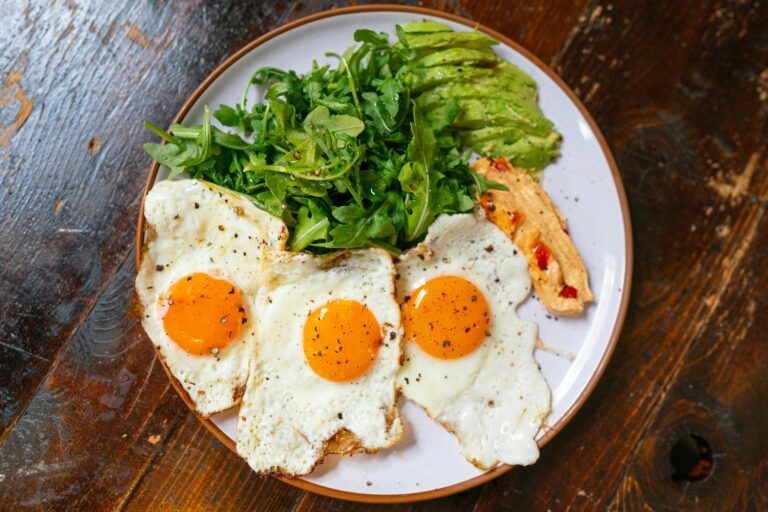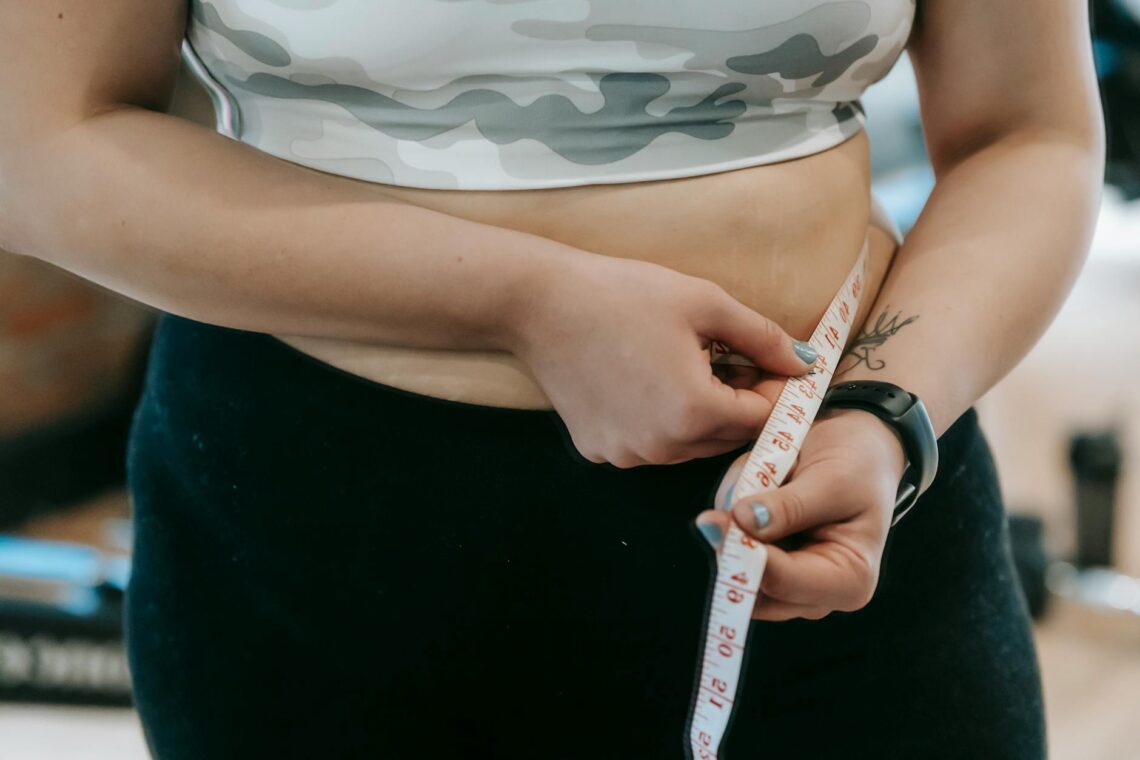
Many people starting a ketogenic diet notice changes in their body shape and how their clothes fit even before the scales show a significant drop. This can be encouraging, but it’s important to understand what’s happening. The ketogenic diet, characterised by its very low carbohydrate content, triggers several metabolic shifts that can lead to this initial ‘leaning out’ effect.
Water Weight and Glycogen
The primary reason for this early change is water weight. Carbohydrates cause the body to store water. For every gram of carbohydrate stored as glycogen (the storage form of glucose) in the muscles and liver, the body also retains about 3 grams of water. When you drastically reduce carbohydrate intake, your body starts using up its glycogen stores. As glycogen is depleted, the water that was stored with it is released and excreted how to replenish electrolytes on keto.
This rapid loss of water can lead to a noticeable decrease in bloating and a more defined appearance, contributing to the feeling of looking leaner. It’s not necessarily fat loss at this stage, but rather a shift in fluid balance.
Reduced Inflammation
Another contributing factor is the potential reduction in inflammation. High-carbohydrate diets, particularly those rich in processed foods, can contribute to inflammation in the body. A ketogenic diet, focusing on whole, unprocessed foods and healthy fats, may have an anti-inflammatory effect. Less inflammation can reduce water retention and swelling, further enhancing the leaner appearance.
What This Means in Practice
While this initial change is encouraging, it’s crucial to recognise that it’s primarily water loss, not fat loss. Sustainable fat loss takes time and consistency. Don’t be disheartened if the scale doesn’t immediately reflect the visual changes you’re experiencing. Continue to focus on consuming whole, unprocessed foods, staying hydrated, and maintaining a calorie deficit if weight loss is your goal. For example, a typical 500g bag of frozen broccoli florets at Tesco costs around £1.20 and provides a good source of fibre with minimal carbs.
Ketones and Appetite
Another factor is the appetite-suppressing effect of ketones. As your body adapts to using fat for fuel, it produces ketones, which can help regulate hunger hormones. This can lead to reduced calorie intake without feeling deprived, potentially contributing to fat loss over time. One study showed that ketosis impacts appetite-mediating nutrients and hormones after weight loss, which may help people stick to the diet keto and long-term weight maintenance.
Frequently Asked Questions
Q: How long does the initial water weight loss last?
A: The rapid water weight loss typically occurs within the first week or two of starting a ketogenic diet. After this, weight loss will likely slow down and reflect actual fat loss.
Q: Is it possible to gain the water weight back?
A: Yes, if you significantly increase your carbohydrate intake, your body will replenish its glycogen stores and retain water again. This is normal and doesn’t necessarily indicate fat gain.
Q: Should I only focus on what the scale says?
A: No, the scale is just one metric. Pay attention to how your clothes fit, how you feel, and other markers of progress, such as energy levels and improved blood sugar control.
Q: What if I don’t see any changes in the first few weeks?
A: Everyone responds differently. Ensure you’re following the diet correctly, consuming enough fat, and staying patient. If you have any underlying health conditions, consult with your GP.
The Bottom Line
The initial feeling of looking leaner on a ketogenic diet is often due to water weight loss and reduced inflammation, not necessarily immediate fat loss. This can be a motivating start, but sustainable weight loss requires consistency and a focus on overall healthy habits. Don’t rely solely on the scale; pay attention to other indicators of progress. If you’d rather not do the macro maths yourself, the Keto Dieting app does it for you on Google Play and the App Store.
References
- Sumithran P, Prendergast LA, Delbridge E, et al. (2013). Ketosis and appetite-mediating nutrients and hormones after weight loss. European Journal of Clinical Nutrition. https://doi.org/10.1038/ejcn.2013.90
- Bueno NB, de Melo IS, de Oliveira SL, da Rocha Ataide T (2013). Very-low-carbohydrate ketogenic diet v. low-fat diet for long-term weight loss: a meta-analysis of randomised controlled trials. British Journal of Nutrition. https://doi.org/10.1017/S0007114513000548