When starting a ketogenic diet, it’s easy to get lost in the details. However, focusing on a few key metrics can make the process much simpler and more effective. Tracking these numbers provides valuable insights into how your body is responding and helps you make necessary adjustments. Here are the three numbers every keto beginner should track.
1. Daily Carbohydrate Intake
The cornerstone of any ketogenic diet is carbohydrate restriction. To enter and maintain ketosis, you need to drastically reduce your carb intake. Most people find success by aiming for 20-50 grams of net carbohydrates per day. Net carbs are calculated by subtracting fibre from total carbohydrates. Monitoring your daily intake ensures you stay within the required range to fuel ketogenesis. Be mindful of hidden carbs in sauces, dressings, and processed foods. How to calculate net carbs accurately is essential for success.
2. Blood Ketone Levels
Measuring blood ketone levels provides direct confirmation that you are in ketosis. This is arguably the most reliable way to gauge your progress. Ketone levels can be measured using a blood ketone meter, similar to a blood glucose meter. A reading between 0.5 and 3.0 mmol/L generally indicates nutritional ketosis. Factors like exercise, stress, and sleep can influence ketone levels, so it’s helpful to track them consistently to see how your body responds under different conditions.
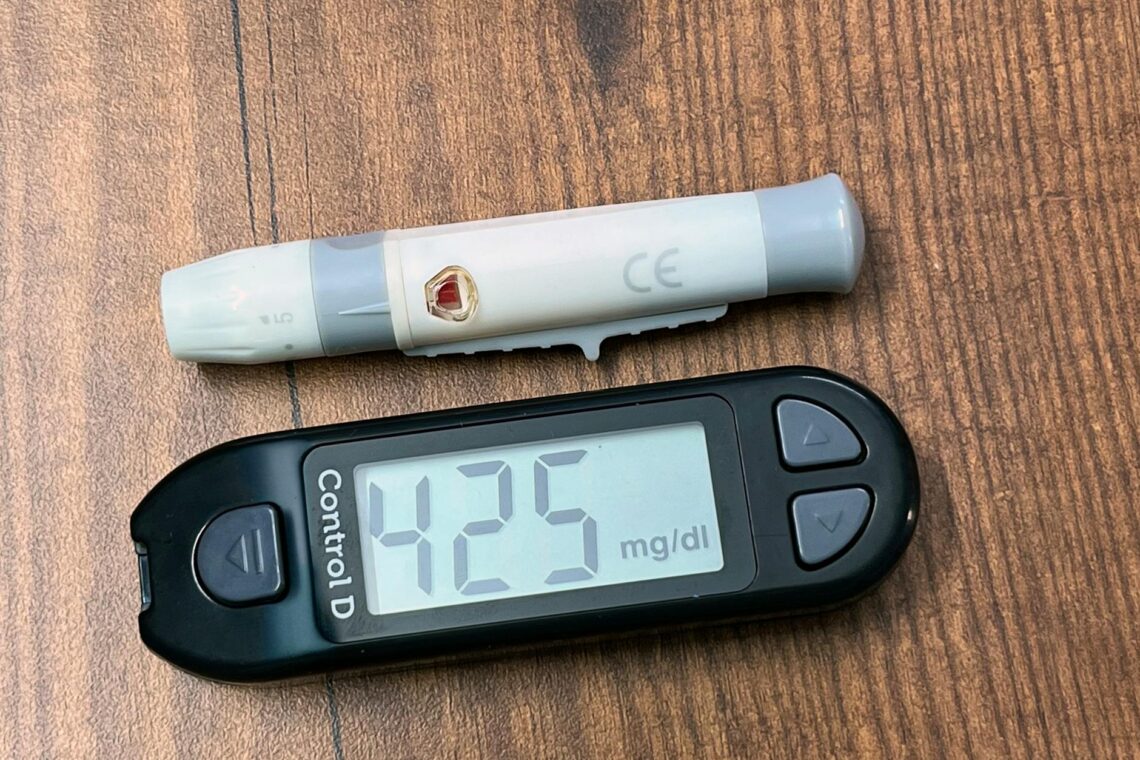
3. Blood Glucose Levels
Monitoring blood glucose levels is particularly important for people with type 2 diabetes or insulin resistance. A ketogenic diet can have a positive impact on blood sugar control. A study by Yancy et al (2005) showed that a low-carbohydrate, ketogenic diet is effective in treating type 2 diabetes [6. Yancy WS, Foy M, Chalecki AM, Vernon MC, Westman EC (2005). “A low-carbohydrate, ketogenic diet to treat type 2 diabetes”. Nutrition & Metabolism. DOI: 10.1186/1743-7075-2-34.]. Aim for fasting blood glucose levels within the normal range (typically below 5.6 mmol/L or 100 mg/dL). Regular monitoring helps you understand how your body responds to different foods and adjust your diet accordingly. If you are on medication for blood sugar, work with your doctor to adjust your dosage as needed.
What this means in practice
Imagine you’re at Tesco, planning your keto meals for the week. You grab a cauliflower pizza base, but checking the label reveals it contains 15g of carbs per serving. Knowing your daily carb limit, you decide to swap it for a mushroom pizza base with only 8g. You also pick up some full-fat Greek yogurt for £4.50, carefully noting the carb count per serving to stay on track. This mindful approach, guided by tracking those three key numbers, will help you maintain ketosis effectively. Understanding the difference between dirty keto and clean keto can help you make better choices at the supermarket.
Frequently asked questions
How often should I measure my ketone levels?
Ideally, measure your ketone levels at least a few times a week, especially when starting out. This helps you understand how your body responds to the diet. Once you become more experienced, you can reduce the frequency to once or twice a week.
Can I track these numbers without special equipment?
While you can estimate carbohydrate intake through careful label reading, accurately measuring blood ketone and glucose levels requires a meter. These meters are readily available at pharmacies and online.
What if my ketone levels are too low?
If your ketone levels are consistently low, it likely means you’re consuming too many carbohydrates. Re-evaluate your diet and ensure you’re within the recommended range. Also, consider increasing your fat intake to support ketone production.
The bottom line
Tracking daily carbohydrate intake, blood ketone levels, and blood glucose levels provides valuable feedback and helps you optimise your ketogenic diet. These three numbers offer insights into your body’s response and empower you to make informed decisions. By monitoring these metrics, you can fine-tune your approach and achieve your desired results. If you’d rather not do the macro maths yourself, the automatic macro calculator in the Keto Dieting app does it for you on Google Play and the App Store.
References
- Yancy WS, Foy M, Chalecki AM, Vernon MC, Westman EC (2005). A low-carbohydrate, ketogenic diet to treat type 2 diabetes. Nutrition & Metabolism. https://doi.org/10.1186/1743-7075-2-34