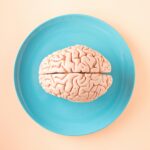
Why ‘Just Eat Less’ Stops Working After 40
Many people find that the simple advice of ‘eat less, move more’ becomes less effective with age. While calorie restriction can initially lead to weight loss, it often plateaus, especially after 40. The ketogenic diet offers an alternative approach by focusing on metabolic changes rather than solely on calorie counting.
The Ageing Metabolism
As we age, our metabolism naturally slows down. This means we burn fewer calories at rest compared to when we were younger. Hormonal shifts, such as decreased oestrogen in women and testosterone in men, contribute to this slowdown. Muscle mass, a key driver of metabolic rate, also tends to decline with age if not actively maintained. This combination makes it harder to lose weight and easier to gain it, even with the same dietary habits as before. keto for women over 50 can address some of these hormonal shifts.
Hunger Hormones and Appetite
Simply eating less can disrupt hunger hormones, leading to increased appetite and cravings. When you restrict calories, your body may respond by increasing the production of ghrelin, the hunger hormone, and decreasing leptin, the satiety hormone. This hormonal imbalance makes it difficult to stick to a calorie-restricted diet long-term. Sumithran et al (2013) showed that weight loss affects appetite-mediating hormones, making sustained restriction challenging. intermittent fasting on keto can help reset these hormones.
Insulin Resistance and Carbohydrates
Ageing can also increase insulin resistance, where your cells become less responsive to insulin. This means your body needs to produce more insulin to manage blood sugar levels. High insulin levels can promote fat storage, particularly around the abdomen. A diet high in carbohydrates can exacerbate insulin resistance, creating a vicious cycle of weight gain and metabolic dysfunction. Hyde et al (2019) demonstrated that dietary carbohydrate restriction improves metabolic syndrome independent of weight loss.
What this means in practice
Instead of just cutting calories, consider shifting your food choices. Focus on whole, unprocessed foods, prioritising protein and healthy fats. For example, a typical lunch might be a salmon fillet with avocado and a side of green vegetables. At Tesco, a 200g salmon fillet costs around £5.50. This approach helps stabilise blood sugar levels, reduce cravings, and promote satiety, making it easier to manage your weight without constant hunger. The NHS Eatwell Guide can be adapted to keto principles.
Frequently asked questions
Will I lose muscle mass on a ketogenic diet?
Not necessarily. Consuming adequate protein and engaging in resistance exercise can help preserve and even build muscle mass while following a ketogenic diet. Aim for 1.2-1.7 grams of protein per kilogram of body weight.
Is the ketogenic diet safe for older adults?
For most healthy adults, a well-formulated ketogenic diet is generally safe. However, it’s essential to consult with your GP or a registered dietitian, especially if you have any underlying health conditions or are taking medications.
How long does it take to see results on a ketogenic diet?
Results vary depending on individual factors such as metabolism, activity level, and adherence to the diet. Some people may experience noticeable weight loss and improved energy levels within the first few weeks.
Can I still eat my favourite foods on a ketogenic diet?
While traditional high-carbohydrate foods like bread and pasta are limited, there are many keto-friendly alternatives available. You can also adapt recipes to reduce the carbohydrate content and enjoy modified versions of your favourite meals.
The bottom line
As we age, the ‘eat less, move more’ approach often becomes less effective due to changes in metabolism, hormones, and insulin sensitivity. A ketogenic diet, which focuses on carbohydrate restriction and metabolic changes, may offer a more sustainable approach to weight management and overall health after 40. This isn’t about deprivation, but about fuelling your body in a way that works with your changing physiology. If you’d rather not do the macro maths yourself, the Keto Dieting app does it for you on Google Play and the App Store.
References
- Sumithran P, Prendergast LA, Delbridge E, et al. (2013). Ketosis and appetite-mediating nutrients and hormones after weight loss. European Journal of Clinical Nutrition. https://doi.org/10.1038/ejcn.2013.90
- Hyde PN, Sapper TN, Crabtree CD, et al. (2019). Dietary carbohydrate restriction improves metabolic syndrome independent of weight loss. JCI Insight. https://doi.org/10.1172/jci.insight.128308