Obsessing over the numbers on your bathroom scales can be disheartening. A ketogenic diet can yield significant results, but weight can fluctuate due to water retention, hormonal changes, and other factors. Fortunately, there are several reliable ways of tracking progress without a scale, offering a more holistic view of your health journey.
Why Ditch the Scales?
Scales only tell a small part of the story. They don’t differentiate between muscle mass and body fat. Focusing solely on weight can lead to frustration and a distorted perception of progress. It’s more useful to look at overall changes in body composition and how you feel.
Alternative Ways to Track Progress
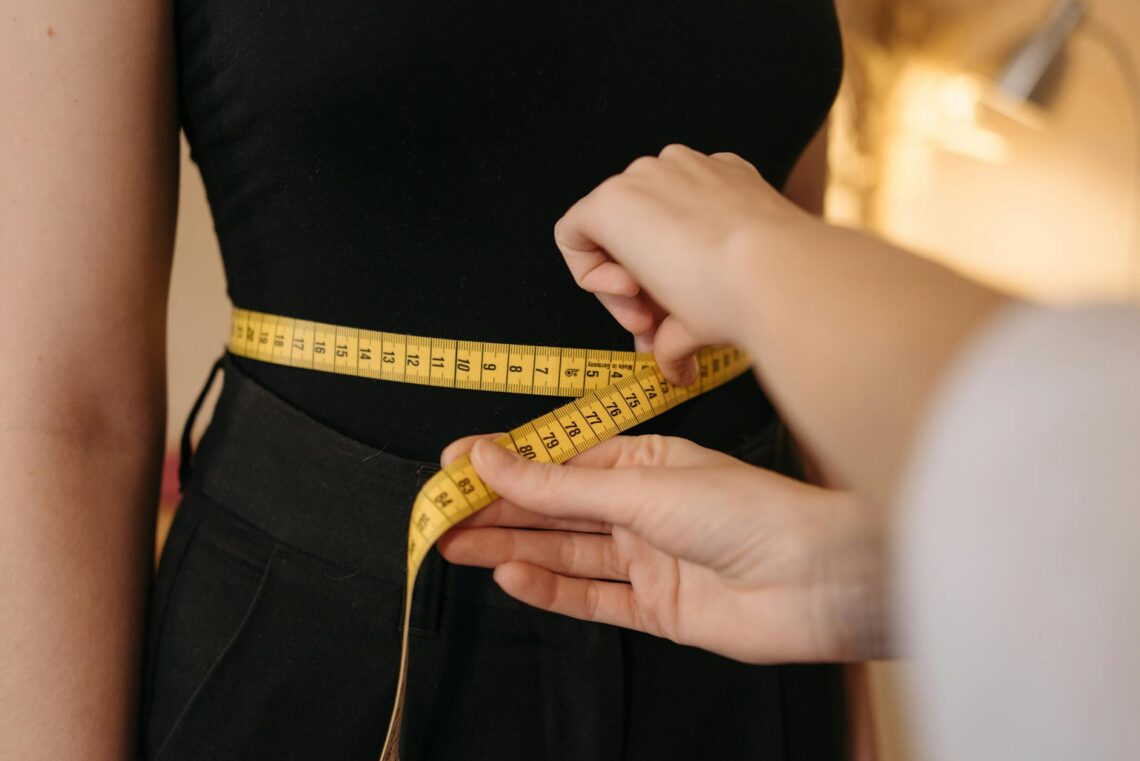
- Measurements: Use a flexible tape measure to record the circumference of your waist, hips, chest, and thighs. Take measurements every two weeks, ideally at the same time of day. This provides a clearer picture of fat loss and muscle gain.
- Clothing Fit: Pay attention to how your clothes fit. Are your jeans looser? Is your belt buckle tighter? Clothing fit is a tangible indicator of changes in your body shape.
- Photos: Take regular progress photos in the same clothing and lighting conditions. Comparing photos side-by-side can reveal subtle but significant changes in your physique. This is especially useful for seeing changes in areas where measurements might not be as accurate.
- Energy Levels: Notice how your energy levels change. Do you feel more energetic throughout the day? Are you sleeping better? Increased energy is a sign that your body is functioning more efficiently.
- Strength and Endurance: Track your performance during workouts. Are you lifting heavier weights? Can you exercise for longer periods without fatigue? Improved strength and endurance indicate positive changes in body composition and fitness.
- Blood Markers: If you have access to blood tests, monitor markers such as blood glucose, cholesterol, and triglycerides. A ketogenic diet is associated with improvements in these markers the benefits of a ketogenic diet for metabolic syndrome.
What This Means in Practice
Let’s say you’re following a ketogenic diet and buying your groceries at Tesco. Instead of weighing yourself daily, focus on how your clothes fit. Perhaps your favourite pair of jeans, which used to feel snug, now fit comfortably. You might also notice that you have more energy for your daily walks in the park. Instead of fixating on a number, celebrate these positive changes. You might even find that your blood glucose levels have improved, as shown in studies of low-carbohydrate diets how keto improves blood sugar control. A simple blood ketone meter, available for around £25 at Boots, can give you a spot check on whether you are in ketosis.
Frequently Asked Questions
How often should I take measurements?
Aim to take measurements every two weeks. This allows enough time to see noticeable changes without becoming obsessive.
What if my weight fluctuates even without using scales?
Weight fluctuations are normal. Focus on the overall trend and consider other indicators of progress, such as clothing fit and energy levels.
Is it possible to lose weight without seeing a change on the scales?
Yes, it’s possible to lose fat and gain muscle simultaneously. Muscle is denser than fat, so your weight might stay the same even as your body composition improves.
What should I do if I feel discouraged?
Remember that progress isn’t always linear. Focus on the positive changes you’ve experienced and celebrate your achievements. Consider seeking support from a friend, family member, or online community.
The Bottom Line
Tracking progress without a scale offers a more balanced and sustainable approach to weight management. By focusing on measurements, clothing fit, energy levels, and other indicators, you can gain a more accurate understanding of your progress and stay motivated on your health journey. Ditching the scales can reduce stress and promote a healthier relationship with your body. If you’d rather not do the macro maths yourself, the macro tracker in the Keto Dieting app does it for you on Google Play and the App Store.
References
- Hyde PN, Sapper TN, Crabtree CD, et al. (2019). Dietary carbohydrate restriction improves metabolic syndrome independent of weight loss. JCI Insight. https://doi.org/10.1172/jci.insight.128308
- Westman EC, Yancy WS, Mavropoulos JC, Marquart M, McDuffie JR (2008). The effect of a low-carbohydrate, ketogenic diet versus a low-glycemic index diet on glycemic control in type 2 diabetes mellitus. Nutrition & Metabolism. https://doi.org/10.1186/1743-7075-5-36