
Keto Without a Gallbladder: A Practical Guide
The ketogenic diet requires careful fat digestion, which becomes more complex without a gallbladder. This organ stores bile to emulsify fats, and its absence means dietary adjustments are necessary. Research suggests gradual fat introduction and specific nutrient timing can support adaptation.
How the gallbladder affects fat digestion
The gallbladder concentrates bile produced by the liver, releasing it in response to fatty meals. Without this reservoir, bile flows continuously but less efficiently. A 2013 study in the British Journal of Nutrition noted that very-low-carbohydrate diets require functional fat metabolism (Bueno et al., 2013). Those without gallbladders often benefit from spreading fat intake across meals rather than consuming large amounts at once.
What this means in practice
UK supermarkets like Tesco stock smaller, more frequent portions of high-quality fats. A 200 g pack of smoked mackerel fillets costs £3.20, providing omega-3s without overwhelming digestion. Seasonal British vegetables like roasted courgettes help fibre intake, crucial for bile acid recycling. Autumn and winter squash varieties work well with modest olive oil drizzles rather than heavy cream sauces.
Key nutritional adjustments
Medium-chain triglycerides (MCTs) from coconut oil require less bile for absorption. A 2017 Nutrients review highlighted their metabolic advantages (Kosinski & Jornayvaz, 2017). Start with 1 tsp daily, building to 1 tbsp. Lecithin granules from health food shops (£5.99 for 200 g) can emulsify fats in homemade mayo or dressings.
Timing and portion strategies
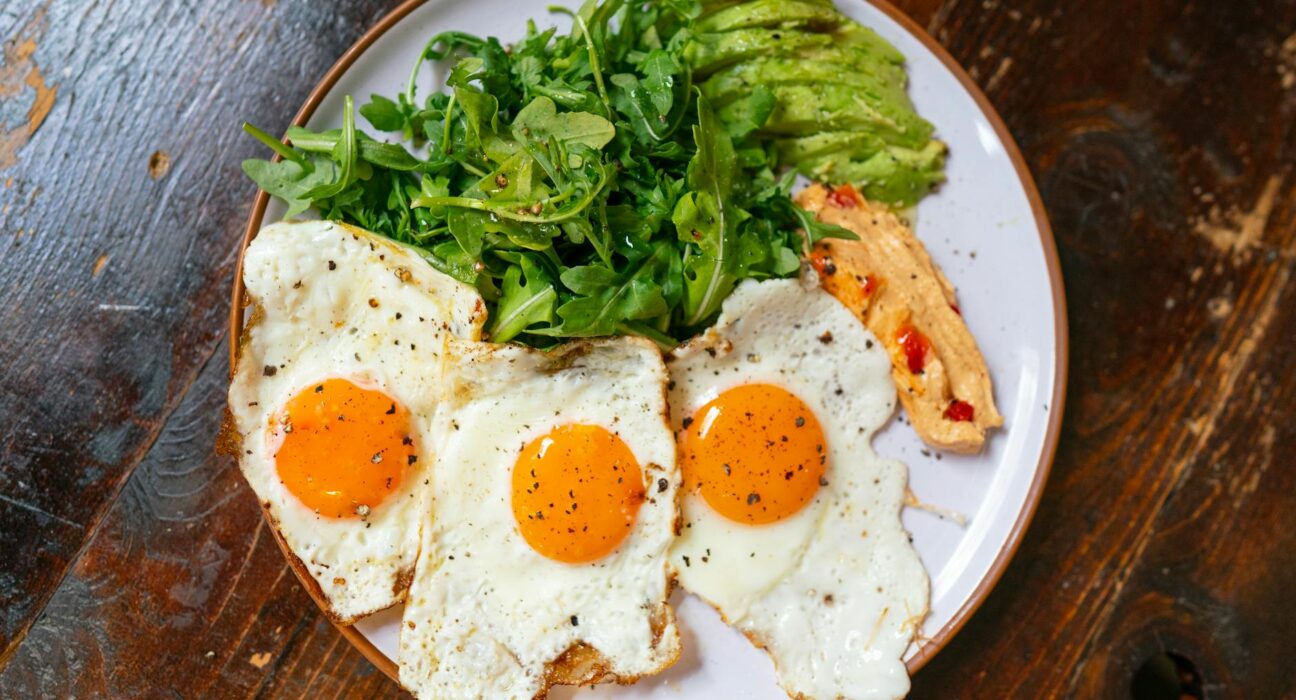
the keto adaptation timeline typically takes 4-6 weeks, but gallbladder removal may extend this. Eat smaller meals every 3-4 hours initially. A sample day: two boiled eggs with spinach for breakfast, 100 g salmon with asparagus for lunch, chicken thigh with roasted radishes for dinner. Snacks might include 10 almonds or celery with tahini.
Frequently asked questions
Can I do keto straight after gallbladder surgery?
Wait until your surgical team approves solid foods, usually 2-4 weeks post-op. Begin with easily digested fats like avocado and egg yolks before introducing heavier meats or dairy.
Will keto cause diarrhoea without a gallbladder?
Some experience looser stools when increasing fats too quickly. common keto electrolyte mistakes like neglecting sodium can worsen this. Bone broth and pickled vegetables help maintain balance.
Are certain fats better than others?
Liquid fats like olive oil and fatty fish digest more easily than rendered animal fats. Grass-fed butter contains butyrate, which may support gut lining repair.
The bottom line
A ketogenic diet without a gallbladder requires patience and strategic fat distribution. Focus on quality proteins, fibrous vegetables, and gradually increasing fats from diverse sources. Monitor your body’s signals and adjust portions accordingly. If you’d rather not do the macro maths yourself, the Keto Dieting app does it for you on Google Play and the App Store.
References
- Bueno NB, de Melo IS, de Oliveira SL, da Rocha Ataide T (2013). Very-low-carbohydrate ketogenic diet v. low-fat diet for long-term weight loss: a meta-analysis of randomised controlled trials. British Journal of Nutrition. https://doi.org/10.1017/S0007114513000548
- Kosinski C, Jornayvaz FR (2017). Effects of Ketogenic Diets on Cardiovascular Risk Factors: Evidence from Animal and Human Studies. Nutrients. https://doi.org/10.3390/nu9050517