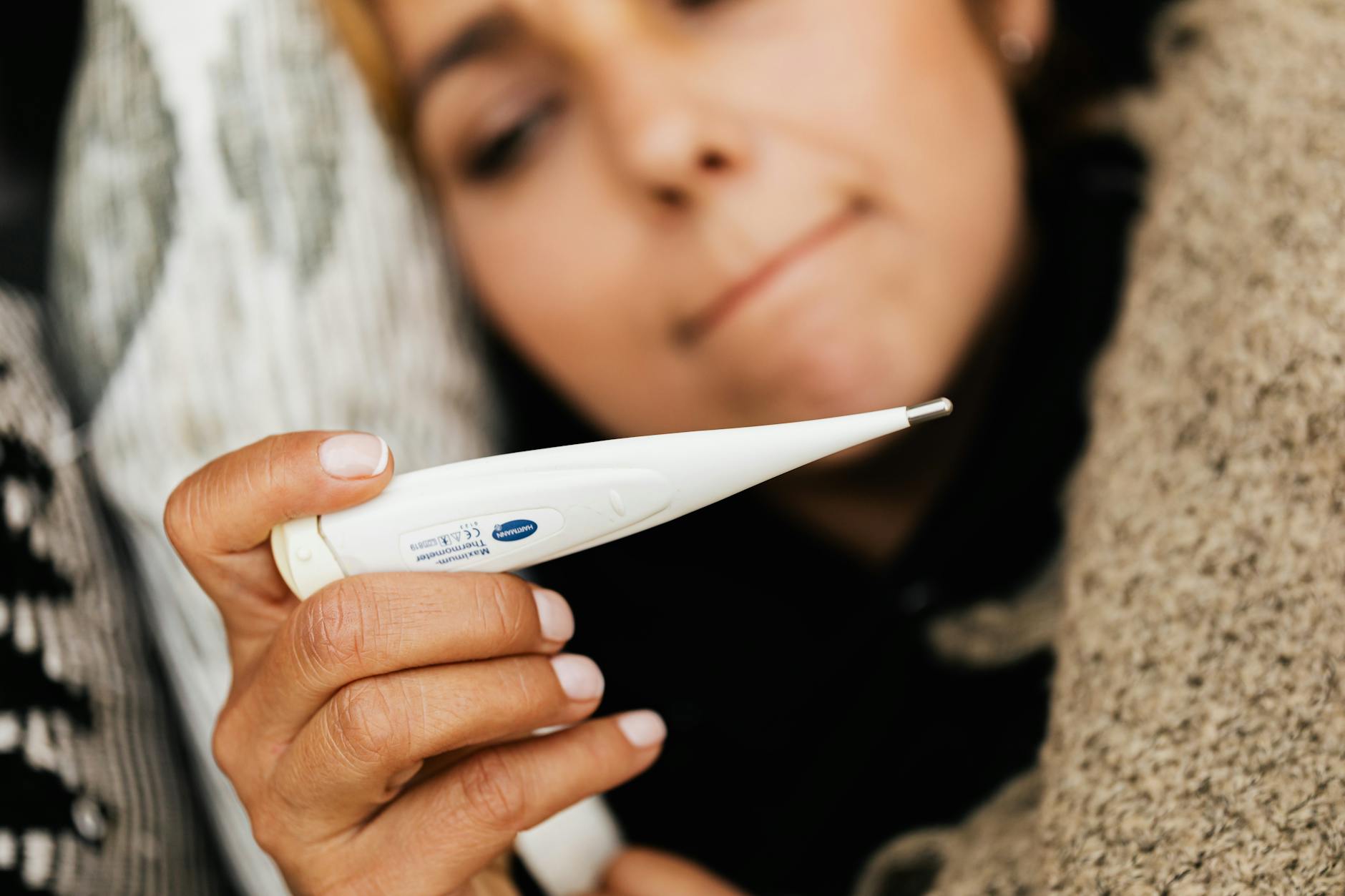
Embarking on a ketogenic diet can bring about a range of initial side effects, often referred to as the ‘keto flu’. This is a normal reaction as your body adapts to using fat for fuel instead of carbohydrates. But why do some people find that these symptoms, such as fatigue, headaches, or digestive issues, seem to reappear around the one-month mark?
The Initial Keto Adaptation
When you drastically reduce your carbohydrate intake, your body begins to deplete its glycogen stores (stored glucose) in the liver and muscles. This leads to water loss, which can cause electrolyte imbalances. Common symptoms during this phase include headaches, fatigue, muscle cramps, and digestive upset. These symptoms usually subside within a week or two as your body becomes more efficient at producing and using ketones for energy. This process is known as keto-adaptation. how to manage keto flu
Potential Reasons for Symptom Reappearance
Several factors can contribute to the resurgence of keto flu symptoms around the one-month mark:
- Electrolyte Imbalance: Even after the initial adaptation, maintaining proper electrolyte balance is crucial. A ketogenic diet naturally has a diuretic effect, meaning you lose more water and electrolytes through urine. If you are not actively replenishing these electrolytes (sodium, potassium, and magnesium), deficiencies can develop, leading to fatigue, headaches, and muscle cramps.
- Hidden Carbs: Even small amounts of hidden carbohydrates in your diet can disrupt ketosis. Be mindful of ingredients in processed foods, sauces, and even some ‘keto-friendly’ products. These can spike blood sugar levels, kick you out of ketosis, and trigger a return of initial symptoms.
- Stress and Sleep: Stress and lack of sleep can affect hormone levels, including cortisol, which can impact blood sugar regulation and electrolyte balance. This can exacerbate keto flu symptoms. Prioritising stress management techniques and ensuring adequate sleep are essential for long-term success on a ketogenic diet.
- Inadequate Fat Intake: While the ketogenic diet is low in carbohydrates, it’s high in fat. If you’re not consuming enough healthy fats, your body may struggle to produce sufficient ketones for energy, leading to fatigue and other symptoms. Aim for a diet that is roughly 70-80% fat, 20-25% protein, and 5-10% carbohydrates.
What this means in practice
To mitigate the reappearance of keto flu symptoms, focus on maintaining a well-formulated ketogenic diet. This includes adequate electrolyte intake through supplementation or electrolyte-rich foods like leafy greens and avocados. Be vigilant about hidden carbohydrates by carefully reading food labels. For example, some ‘keto’ protein bars at Tesco contain surprisingly high amounts of sugar alcohols that can affect blood glucose. Prioritise stress management and ensure you’re getting 7-9 hours of quality sleep each night. A magnesium supplement before bed can cost as little as £4.50 and may improve sleep quality.
Addressing Underlying Issues
It’s also important to consider any underlying health issues that may be contributing to the reappearance of symptoms. Conditions like insulin resistance or thyroid problems can affect how your body responds to a ketogenic diet. If symptoms persist despite addressing the above factors, consult with a healthcare professional to rule out any underlying medical conditions. keto and thyroid health
Frequently asked questions
Why am I so tired on keto after a month?
Fatigue after a month on keto can stem from electrolyte imbalances, hidden carbs, insufficient fat intake, or stress. Ensure you’re getting enough sodium, potassium, and magnesium, scrutinise food labels for hidden sugars, and prioritise sleep and stress management.
How much sodium do I need on keto?
Aim for 3,000-5,000 mg of sodium per day on a ketogenic diet. This can be achieved through salting your food, drinking bone broth, or using electrolyte supplements. Monitor your symptoms and adjust your intake accordingly.
Can stress affect my keto diet?
Yes, stress can significantly impact your keto diet. It can raise cortisol levels, affecting blood sugar regulation and electrolyte balance, potentially leading to a return of keto flu symptoms. Practice stress-reducing activities like meditation or yoga.
What if I accidentally eat too many carbs?
Don’t panic. A single high-carb meal is unlikely to derail your progress completely. Get back on track with your next meal and focus on staying consistent with your ketogenic diet. Consider a short period of intermittent fasting to help restore ketosis.
The bottom line
The reappearance of keto flu symptoms around the one-month mark can be frustrating, but it’s often a sign that your body needs some fine-tuning. By addressing potential electrolyte imbalances, hidden carbs, stress, and inadequate fat intake, you can effectively manage these symptoms and continue to reap the benefits of a ketogenic diet. If you’d rather not do the macro maths yourself, the automatic macro calculator in the Keto Dieting app does it for you on Google Play and the App Store.
References
- Bueno NB, de Melo IS, de Oliveira SL, da Rocha Ataide T (2013). Very-low-carbohydrate ketogenic diet v. low-fat diet for long-term weight loss: a meta-analysis of randomised controlled trials. British Journal of Nutrition. https://doi.org/10.1017/S0007114513000548
- Sumithran P, Prendergast LA, Delbridge E, et al. (2013). Ketosis and appetite-mediating nutrients and hormones after weight loss. European Journal of Clinical Nutrition. https://doi.org/10.1038/ejcn.2013.90