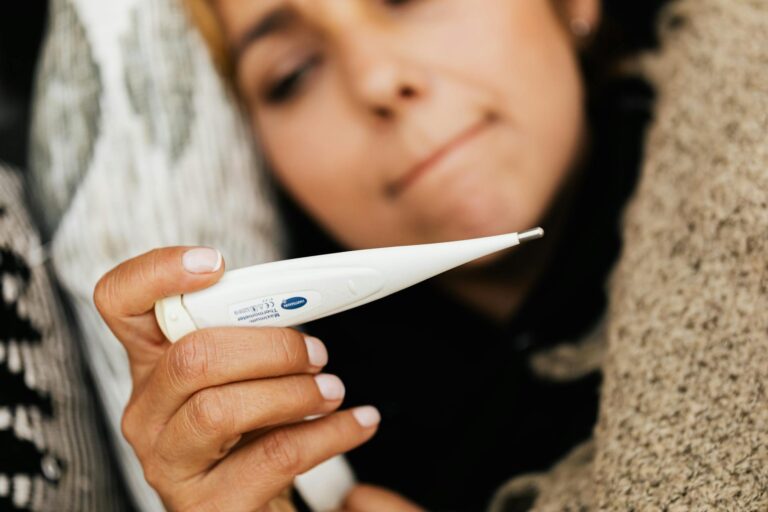
The ketogenic diet can sometimes feel like a rollercoaster. You might feel great initially, then experience the dreaded ‘keto flu’. Just as you think you’re over the hump, some people report a resurgence of these symptoms – the second keto flu around day 30. Here’s what might be happening.
What Causes the Keto Flu (The First Time)?
The initial keto flu typically occurs in the first week or two of starting a ketogenic diet. It’s caused by your body adapting to using fat for fuel instead of carbohydrates. When you drastically reduce your carbohydrate intake, your body starts to deplete its glycogen stores (stored glucose) the keto adaptation timeline. This leads to:
- Water loss: Glycogen holds onto water, so as you deplete glycogen, you lose water and electrolytes.
- Electrolyte imbalance: The loss of water also flushes out essential electrolytes like sodium, potassium, and magnesium.
- Hormonal shifts: Your body is adjusting its hormone production as it switches fuel sources.
These factors combine to create a range of unpleasant symptoms, including headaches, fatigue, muscle cramps, and brain fog.
Why a Second Keto Flu Around Day 30?
If you’re experiencing keto flu symptoms again around day 30, several factors could be at play:
- Inadequate electrolyte intake: You might have been diligent about electrolyte supplementation initially, but then relaxed your efforts. Electrolyte needs can vary, and you might still be deficient common keto electrolyte mistakes.
- Hidden carbs: Even small amounts of hidden carbohydrates in processed foods or sauces can disrupt ketosis and trigger flu-like symptoms. Read labels carefully.
- Stress: Stress can impact hormone levels and electrolyte balance, potentially exacerbating keto flu symptoms.
- Increased activity: Starting a new exercise programme can increase your electrolyte needs. If you’ve ramped up your activity levels, you may need to adjust your electrolyte intake accordingly.
- Menstrual cycle: For women, hormonal fluctuations during the menstrual cycle can influence electrolyte balance and trigger keto flu symptoms.
What This Means in Practice
Let’s say you’ve been buying pre-cooked chicken slices for your lunches from Tesco. A typical 100g serving costs around £3.50. However, you notice the ingredients list includes dextrose (a type of sugar). Even a small amount could be enough to knock you out of ketosis, especially if you’re sensitive to carbs. Consider switching to plain, freshly cooked chicken breast to eliminate hidden carbs.
How to Manage the Second Keto Flu
Fortunately, managing a second bout of the keto flu is similar to managing the first:
- Increase electrolyte intake: Supplement with sodium, potassium, and magnesium. You can add sea salt to your meals, drink bone broth, or take electrolyte supplements.
- Stay hydrated: Drink plenty of water throughout the day.
- Review your diet: Scrutinise food labels for hidden carbohydrates. Track your macros carefully to ensure you’re staying within your target ranges.
- Manage stress: Practice stress-reducing techniques like meditation, yoga, or spending time in nature.
- Get enough sleep: Aim for 7-9 hours of quality sleep per night.
Frequently Asked Questions
How long will the second keto flu last?
The duration of the second keto flu varies from person to person. It may last a few days to a week, depending on the underlying cause and how quickly you address it.
Should I stop the keto diet if I get the second keto flu?
Not necessarily. If you can identify and address the cause of your symptoms, you can likely continue the keto diet without further issues. However, if your symptoms are severe or persistent, consult with a healthcare professional.
Could it be something other than the keto flu?
Yes, it’s possible. If your symptoms are severe or accompanied by other concerning signs (such as fever, severe pain, or difficulty breathing), seek medical advice to rule out other potential causes.
The Bottom Line
The second keto flu around day 30 can be frustrating, but it’s often a sign that your body needs some adjustments to your electrolyte intake, diet, or lifestyle. By addressing these factors, you can alleviate your symptoms and continue to reap the potential benefits of the ketogenic diet. If you’d rather not do the macro maths yourself, the Keto Dieting app does it for you on Google Play and the App Store.
References
- Sumithran P, Prendergast LA, Delbridge E, et al. (2013). Ketosis and appetite-mediating nutrients and hormones after weight loss. European Journal of Clinical Nutrition. https://doi.org/10.1038/ejcn.2013.90
- Volek JS, Phinney SD, Forsythe CE, et al. (2008). Carbohydrate restriction has a more favorable impact on the metabolic syndrome than a low fat diet. Lipids. https://doi.org/10.1007/s11745-008-3274-2