Maintaining a ketogenic diet during Hajj or Umrah requires careful planning, but it is achievable. The ketogenic diet, characterised by high fat, moderate protein, and very low carbohydrate intake, shifts the body’s primary fuel source from glucose to ketones. This can be beneficial for sustained energy levels and mental clarity, which are particularly valuable during physically and spiritually demanding pilgrimages.
Pre-Trip Planning
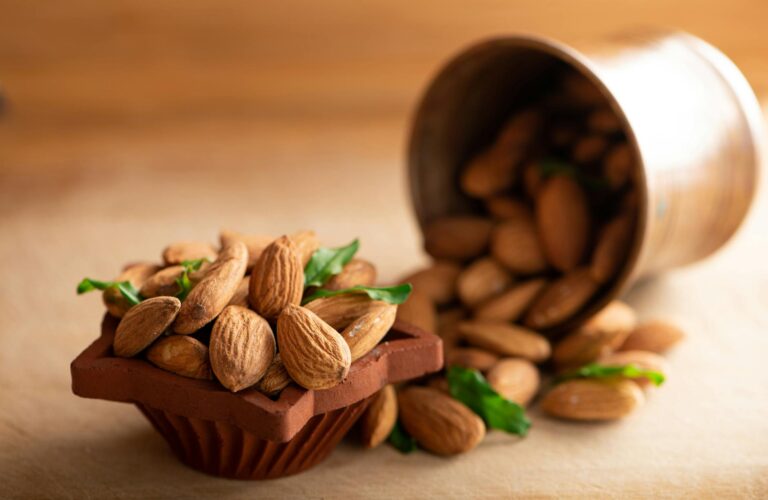
Before embarking on your journey, research your accommodation options. Opt for hotels or apartments that offer kitchen facilities. This allows you to prepare some of your own meals and control your macronutrient intake. Pack keto-friendly snacks such as nuts, seeds, and protein bars to avoid relying solely on available food options. Familiarise yourself with local markets where you can purchase ingredients to prepare your own meals. Understanding the local food culture will also help you identify dishes that can be modified to fit your ketogenic needs.
Navigating Local Cuisine
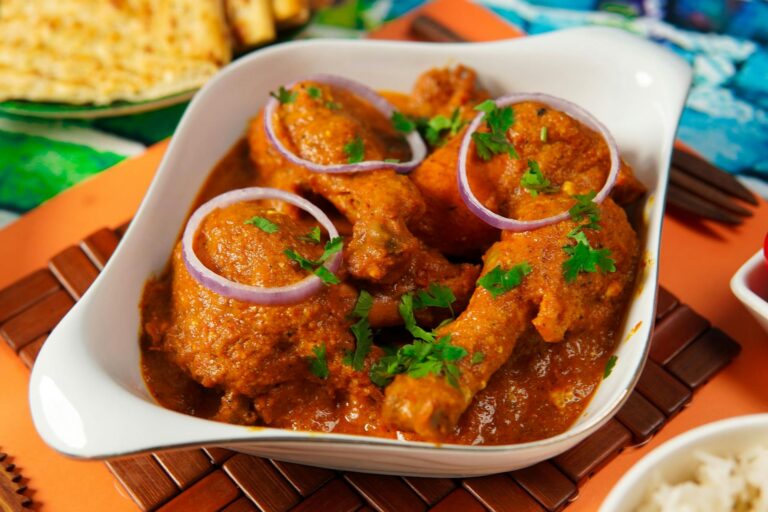
While Saudi Arabian cuisine often features rice, bread, and dates, there are still keto-friendly choices available. Focus on meat-based dishes like grilled chicken or lamb, and request extra vegetables instead of rice or bread. Seek out salads with olive oil and vinegar dressing, avoiding sugary dressings. Be mindful of hidden carbohydrates in sauces and marinades. Dates are a traditional part of hospitality, but they are high in carbohydrates, so consume them sparingly. Consider intermittent fasting, which some find helpful in managing hunger and ketone levels while travelling. intermittent fasting and keto
Staying Hydrated and Replenishing Electrolytes
Dehydration can be a significant concern during Hajj and Umrah, especially in the hot climate. Drink plenty of water throughout the day. Supplementing with electrolytes is crucial, as the ketogenic diet can lead to increased electrolyte excretion. Pack electrolyte supplements or consider adding salt to your water. Symptoms of electrolyte imbalance include fatigue, headaches, and muscle cramps. Addressing these imbalances promptly will help you maintain energy levels and focus during your pilgrimage.
What this means in practice
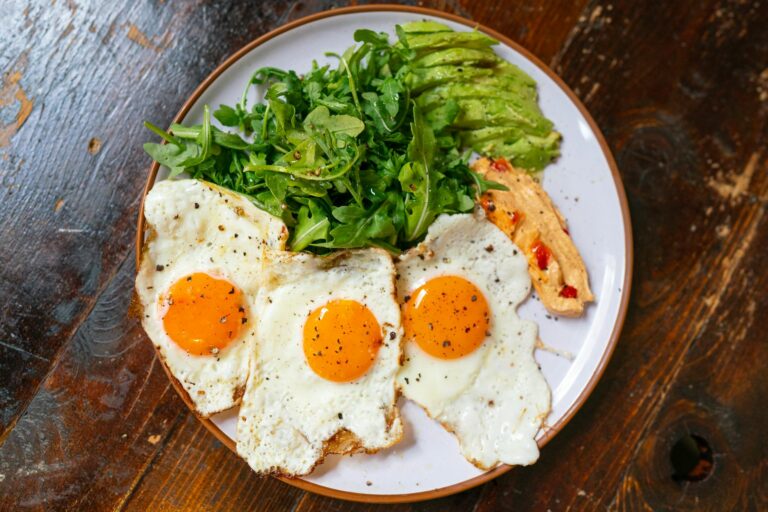
In the UK, we’re used to nipping into Tesco for a quick protein bar or a bag of almonds. In Saudi Arabia, you’ll find similar options in larger supermarkets. Look for unsalted mixed nuts (around £3 for 200g) or jerky. Ask your hotel if they can provide boiled eggs for breakfast. If you’re struggling to find keto-friendly options, don’t hesitate to ask for modifications to your meals. Most restaurants are happy to accommodate dietary requests.
Frequently Asked Questions
Can I maintain ketosis while performing the physical activities of Hajj/Umrah?
Yes, but it requires careful planning and adherence to your macros. Ensure you’re consuming enough electrolytes and staying hydrated. Listen to your body and adjust your intake as needed.
What are some easy keto-friendly snacks to pack?
Nuts, seeds, protein bars, jerky, and hard-boiled eggs are all convenient options. Consider packing single-serving packets of nut butter for a quick and easy source of fat and protein.
How can I communicate my dietary needs in restaurants?
Learn a few basic phrases in Arabic to explain that you need low-carbohydrate options. Focus on meat and vegetables, and request that rice and bread be omitted.
Is it permissible to follow a specific diet during Hajj/Umrah?
Yes, as long as it does not cause undue hardship or disrupt the communal aspects of the pilgrimage. Prioritise your health and well-being while respecting local customs and traditions. keto for religious observance
The Bottom Line
Eating keto on Hajj or Umrah is feasible with pre-trip planning and mindful choices. Focus on readily available protein sources, healthy fats, and low-carbohydrate vegetables. Staying hydrated and replenishing electrolytes are crucial for maintaining energy and focus throughout your pilgrimage. Remember to be flexible and adapt to the available options while prioritising your health and well-being. If you’d rather not do the macro maths yourself, the macro tracker in the Keto Dieting app does it for you on Google Play and the App Store.
References
- Sumithran P, Prendergast LA, Delbridge E, et al. (2013). Ketosis and appetite-mediating nutrients and hormones after weight loss. European Journal of Clinical Nutrition. https://doi.org/10.1038/ejcn.2013.90
- Bueno NB, de Melo IS, de Oliveira SL, da Rocha Ataide T (2013). Very-low-carbohydrate ketogenic diet v. low-fat diet for long-term weight loss: a meta-analysis of randomised controlled trials. British Journal of Nutrition. https://doi.org/10.1017/S0007114513000548