Following a ketogenic diet in India might seem daunting at first, but it’s entirely achievable with some planning and smart choices. The ketogenic diet, characterised by high fat, moderate protein, and very low carbohydrate intake, shifts the body’s primary fuel source from glucose to ketones. This metabolic state, known as ketosis, can support weight loss and improve managing blood sugar levels.
Navigating the Indian Keto Landscape
Indian cuisine is diverse, with regional variations offering a range of keto-friendly options. Focus on dishes that naturally feature healthy fats and protein, while being mindful of hidden carbohydrates in sauces and breads. Prioritise whole, unprocessed foods whenever possible. Many South Indian dishes rely on coconut and lentils, but you can modify them to be keto-compliant.
Keto-Friendly Foods in India
- Paneer: This fresh cheese is a staple in Indian cuisine and an excellent source of protein and fat. Enjoy it grilled, in curries (with keto-friendly sauces), or as a snack.
- Ghee and Coconut Oil: Use these healthy fats liberally for cooking. They add flavour and are perfect for maintaining your fat intake.
- Non-Starchy Vegetables: Embrace vegetables like cauliflower, spinach, cabbage, and bell peppers. They can be used in various dishes, from stir-fries to curries.
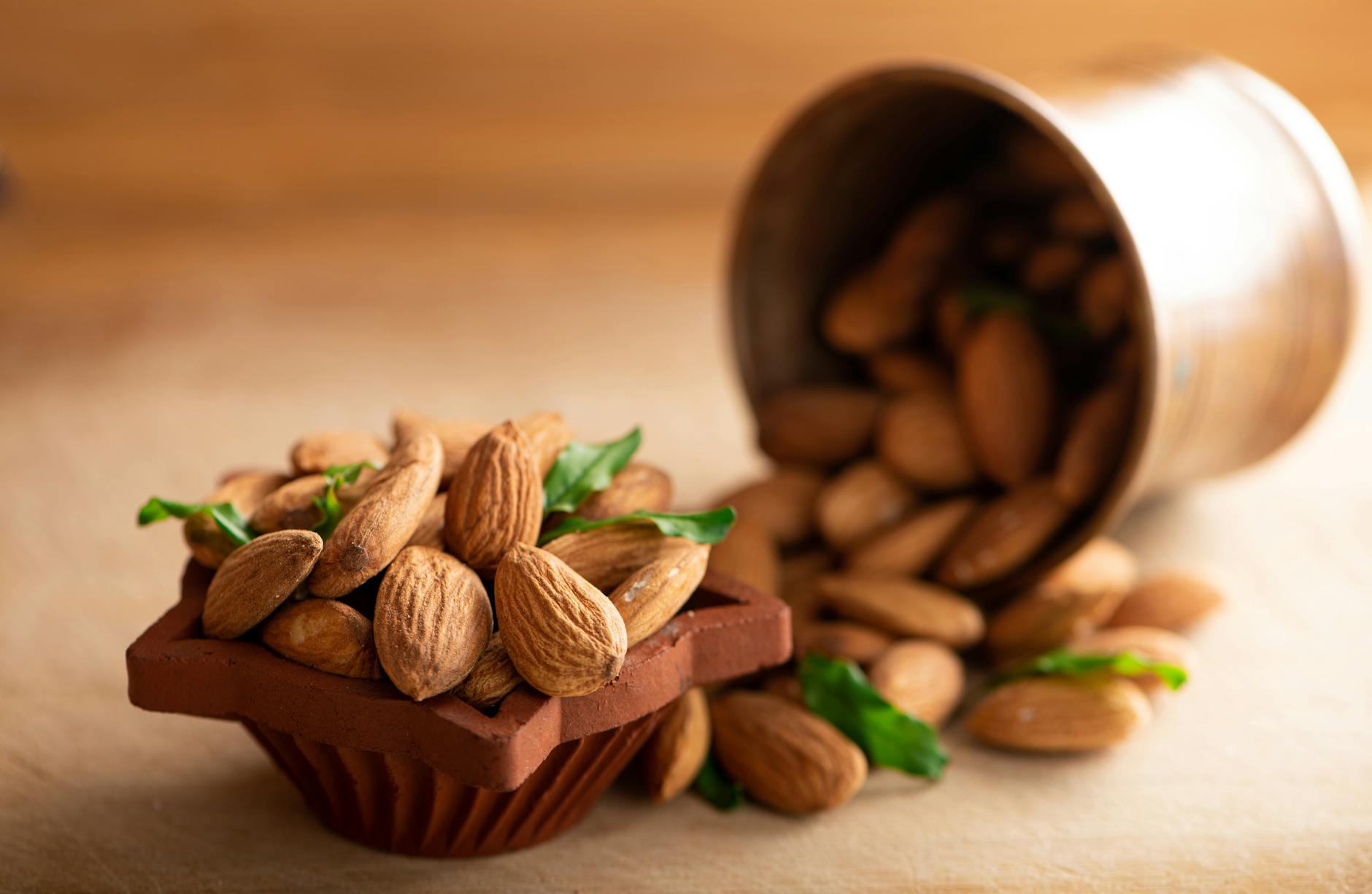
- Nuts and Seeds: Almonds, walnuts, pumpkin seeds, and sunflower seeds are great for snacking and adding healthy fats to your diet.
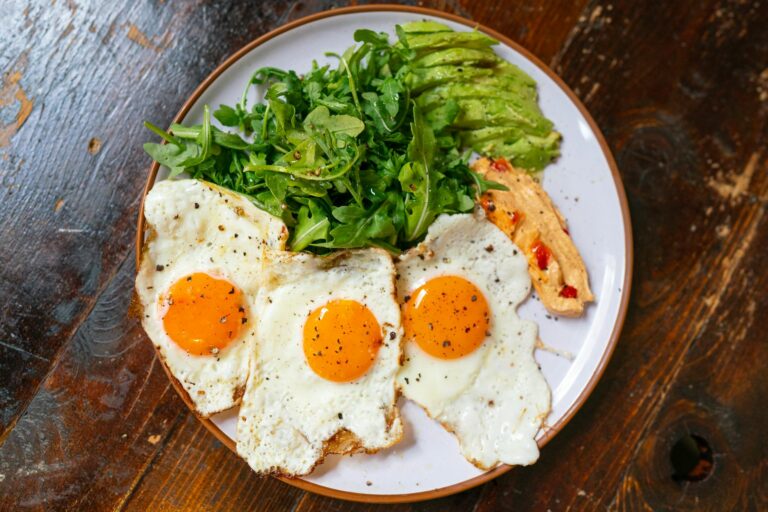
- Eggs: A versatile and readily available protein source. Enjoy them as omelettes, scrambled, or boiled.
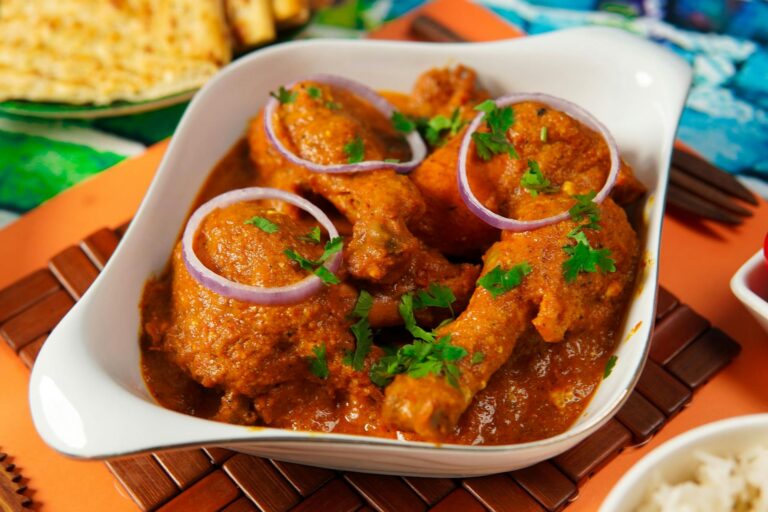
- Chicken, Mutton, Fish: These provide protein and can be incorporated into various curries and tikkas.
Foods to Limit or Avoid
- Rice: A staple in many Indian meals, but high in carbohydrates. Opt for cauliflower rice as a substitute.
- Bread: Naan, roti, and other Indian breads are typically high in carbs. Avoid them or look for keto-friendly alternatives made with almond or coconut flour.
- Lentils and Legumes: While nutritious, they are relatively high in carbohydrates. Consume in moderation, if at all.
- Potatoes: A common ingredient in Indian dishes, but high in starch. Limit your intake.
- Sweets: Indian sweets are often loaded with sugar. Avoid them entirely on a ketogenic diet.
Eating Out Keto in India
When eating out, be proactive in communicating your dietary needs. Ask about ingredients and preparation methods. Request that dishes be made with extra ghee or coconut oil and without added sugar or starch. Choose grilled or tandoori options over fried ones. Be aware that many restaurants use vegetable oils high in omega-6, which can be inflammatory.
What this means in practice
Imagine you’re at a restaurant in Southall. Instead of ordering a traditional biryani, ask for a paneer tikka with a side of sautéed spinach. Politely request that they use ghee instead of vegetable oil for cooking. You could also opt for a chicken or mutton curry made with coconut milk and spices, ensuring it’s not thickened with cornflour. A typical portion of paneer tikka might cost around £6.50, offering a satisfying and keto-friendly meal.
Be aware that hidden carbs can sneak into your diet through sauces and marinades. Ask about the ingredients and don’t be afraid to request modifications. Keep an eye on portion sizes, especially when it comes to nuts and seeds, as they can be calorie-dense. If you’re unsure about a dish, it’s always best to err on the side of caution and choose something simpler and more familiar to you. Consider testing your ketone levels regularly to ensure you’re staying on track. You might also want to read up on the symptoms of keto flu.
Frequently Asked Questions
Q: Can I eat Indian food on keto?
A: Yes, you can! Focus on dishes with paneer, non-starchy vegetables, and healthy fats like ghee and coconut oil. Be mindful of hidden carbs in sauces and breads.
Q: What are some keto-friendly Indian snacks?
A: Nuts and seeds, paneer tikka, and hard-boiled eggs are good options. You can also make keto-friendly versions of traditional snacks using almond or coconut flour.
Q: How can I handle social situations where Indian food is served?
A: Offer to bring a keto-friendly dish to share. If that’s not possible, focus on protein and non-starchy vegetables, and politely decline high-carb options.
Q: Is a vegetarian keto diet possible in India?
A: Yes, it is. Paneer, tofu, and non-starchy vegetables are your best friends. Focus on dishes like paneer butter masala (with modifications) and vegetable stir-fries.
The Bottom Line
Eating keto in India requires awareness and planning, but it’s entirely possible to enjoy the diverse flavours of Indian cuisine while staying in ketosis. Focus on whole foods, healthy fats, and protein, and be mindful of hidden carbohydrates. With a little creativity and communication, you can successfully navigate the Indian keto landscape. If you’d rather not do the macro maths yourself, the automatic macro calculator does it for you on Google Play and the App Store.
References
- Bueno NB, de Melo IS, de Oliveira SL, da Rocha Ataide T (2013). Very-low-carbohydrate ketogenic diet v. low-fat diet for long-term weight loss: a meta-analysis of randomised controlled trials. British Journal of Nutrition. https://doi.org/10.1017/S0007114513000548
- Hyde PN, Sapper TN, Crabtree CD, et al. (2019). Dietary carbohydrate restriction improves metabolic syndrome independent of weight loss. JCI Insight. https://doi.org/10.1172/jci.insight.128308