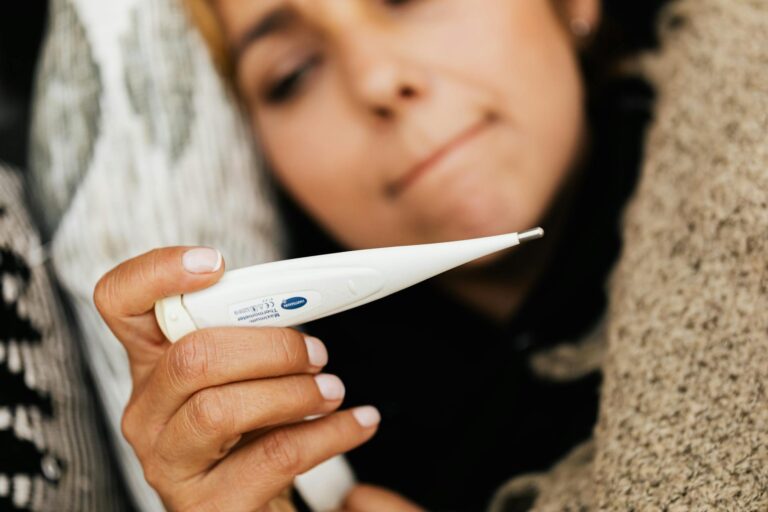
Many people report feeling colder when starting a ketogenic diet, particularly during the winter months. This increased sensitivity to cold can be a temporary side effect as your body adapts to using fat for fuel instead of carbohydrates. Here’s why it happens and what you can do to stay warm.
Why Keto Can Make You Feel Colder
Several factors contribute to increased cold sensitivity on a ketogenic diet:
- Reduced carbohydrate intake: Carbohydrates have a higher thermic effect than fats or protein. This means your body burns more calories digesting carbs, which generates more heat. When you drastically reduce carbs, this heat production decreases.
- Lower insulin levels: Insulin helps regulate body temperature. A ketogenic diet lowers insulin levels, which can affect how your body regulates heat. Learn more about the effect of keto on hormones.
- Electrolyte imbalance: The shift to ketosis can cause your body to excrete more electrolytes like sodium, potassium, and magnesium. Electrolytes play a role in nerve function, which impacts temperature regulation.
- Thyroid function: Some individuals may experience a temporary decrease in thyroid hormone production when starting keto. Thyroid hormones regulate metabolism and body temperature. If you have existing thyroid issues, speak to your GP before starting keto.
What This Means in Practice
During the colder months, it’s important to take extra steps to stay warm if you’re on a ketogenic diet. This might mean adjusting your clothing, diet, and activity levels. For instance, consider adding warming spices like ginger and cinnamon to your meals. You could also increase your intake of healthy fats, such as coconut oil, which may provide a slight thermogenic effect. A simple chicken and coconut curry can be made for around £3.50 using ingredients from Aldi, and is a great keto-friendly winter warmer.
How to Combat Cold Sensitivity on Keto
Here are some practical tips to manage cold sensitivity while following a ketogenic diet:
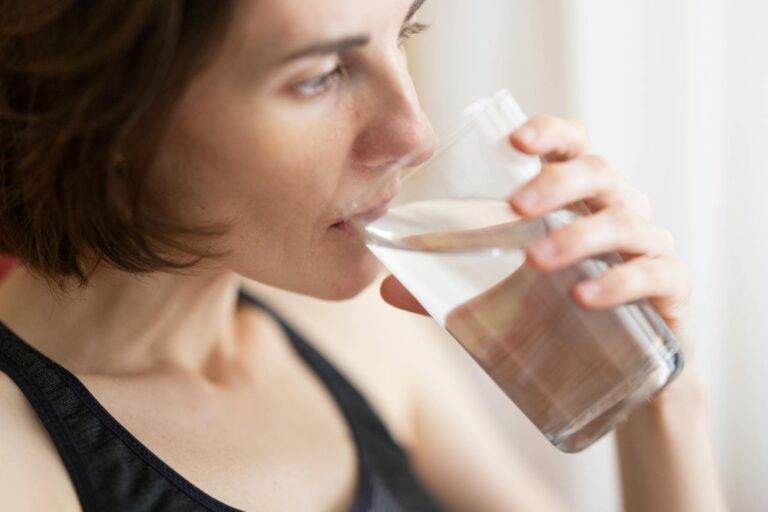
- Stay hydrated: Drink plenty of water to support electrolyte balance and overall bodily functions.
- Increase electrolyte intake: Supplement with sodium, potassium, and magnesium, or consume electrolyte-rich foods like leafy greens and avocados. Get our guide to keto electrolytes.
- Eat enough calories: Ensure you’re consuming enough calories to fuel your body and maintain a healthy metabolic rate. Don’t restrict calories too drastically.
- Dress warmly: Wear layers of clothing to trap heat and protect yourself from the cold. Don’t forget hats, gloves, and scarves.
- Stay active: Regular physical activity can help boost your metabolism and generate heat. Even a short walk can make a difference.
Frequently Asked Questions
Will the cold sensitivity go away?
For most people, cold sensitivity is a temporary side effect that diminishes as their body becomes fully keto-adapted. This usually takes a few weeks to a few months. If it persists, consult with a healthcare professional to rule out underlying issues.
Can I still do keto if I’m always cold?
Yes, you can still follow a ketogenic diet if you’re experiencing cold sensitivity. Implement the strategies mentioned above to manage the symptoms and make the diet more comfortable. Listen to your body and adjust as needed.
Does keto affect my thyroid?
While some individuals may experience a temporary decrease in thyroid hormone production when starting keto, it’s not a universal effect. If you have concerns about your thyroid function, consult with your GP for proper evaluation and management.
The Bottom Line
Experiencing cold sensitivity on a ketogenic diet is a common but usually temporary side effect. It’s often related to reduced carbohydrate intake, lower insulin levels, and electrolyte imbalances. By staying hydrated, increasing electrolyte intake, dressing warmly, and staying active, you can effectively manage this side effect and continue to enjoy the benefits of keto. If you’d rather not do the macro maths yourself, the Keto Dieting app does it for you on Google Play and the App Store.
References
- Hyde PN, Sapper TN, Crabtree CD, et al. (2019). Dietary carbohydrate restriction improves metabolic syndrome independent of weight loss. JCI Insight. https://doi.org/10.1172/jci.insight.128308
- Sumithran P, Prendergast LA, Delbridge E, et al. (2013). Ketosis and appetite-mediating nutrients and hormones after weight loss. European Journal of Clinical Nutrition. https://doi.org/10.1038/ejcn.2013.90