Maintaining a ketogenic diet while travelling, especially for several days a week, requires careful planning and preparation. The ketogenic diet, characterised by very low carbohydrate intake, can be sustained even with a demanding travel schedule. Here’s how to make it work for you.
Pre-Travel Preparation
The key to sticking to a keto diet on the road lies in meticulous preparation. Start by planning your meals for the days you’re away. Pack non-perishable keto-friendly snacks such as nuts, seeds, jerky, and protein bars with low net carbs. Consider investing in travel-sized containers for coconut oil or MCT oil to add to your coffee or tea. If possible, book accommodations with a mini-fridge or kitchenette to store perishable items. Pre-portioning your meals and snacks can help you avoid impulsive, carb-heavy choices when hunger strikes. Think about how to handle social pressure on keto before you go.
Navigating Restaurants and Meetings
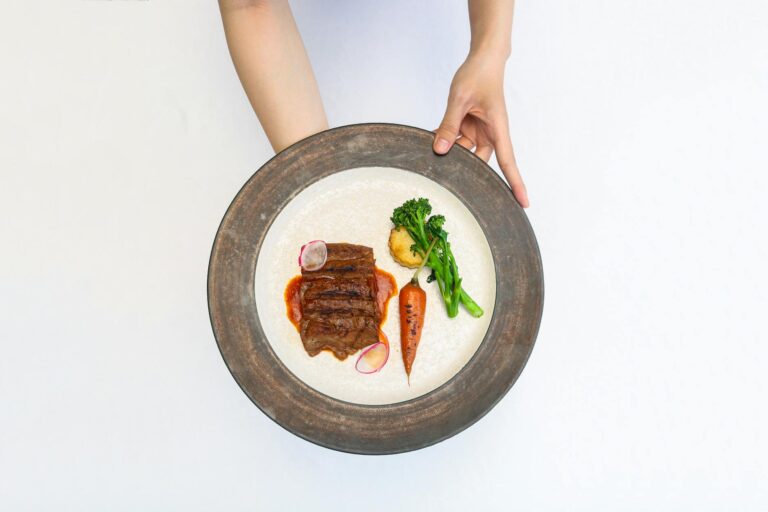
When eating out, focus on ordering meals that are naturally low in carbohydrates. Opt for grilled or baked meats, fish, or poultry, and pair them with non-starchy vegetables like broccoli, spinach, or asparagus. Request that sauces and dressings be served on the side to control hidden sugars and starches. During business meetings or conferences, be proactive in communicating your dietary needs. Politely decline carbohydrate-rich offerings like pastries or sandwiches and suggest alternatives such as cheese, nuts, or vegetable platters. Don’t be afraid to ask for modifications to menu items to fit your keto requirements. Remember that keto and intermittent fasting can be combined for extra flexibility.
Smart Snack Choices
Snacks are your best friend when travelling on a keto diet. Keep a stash of keto-friendly options readily available to ward off hunger and prevent you from straying. Some excellent choices include:
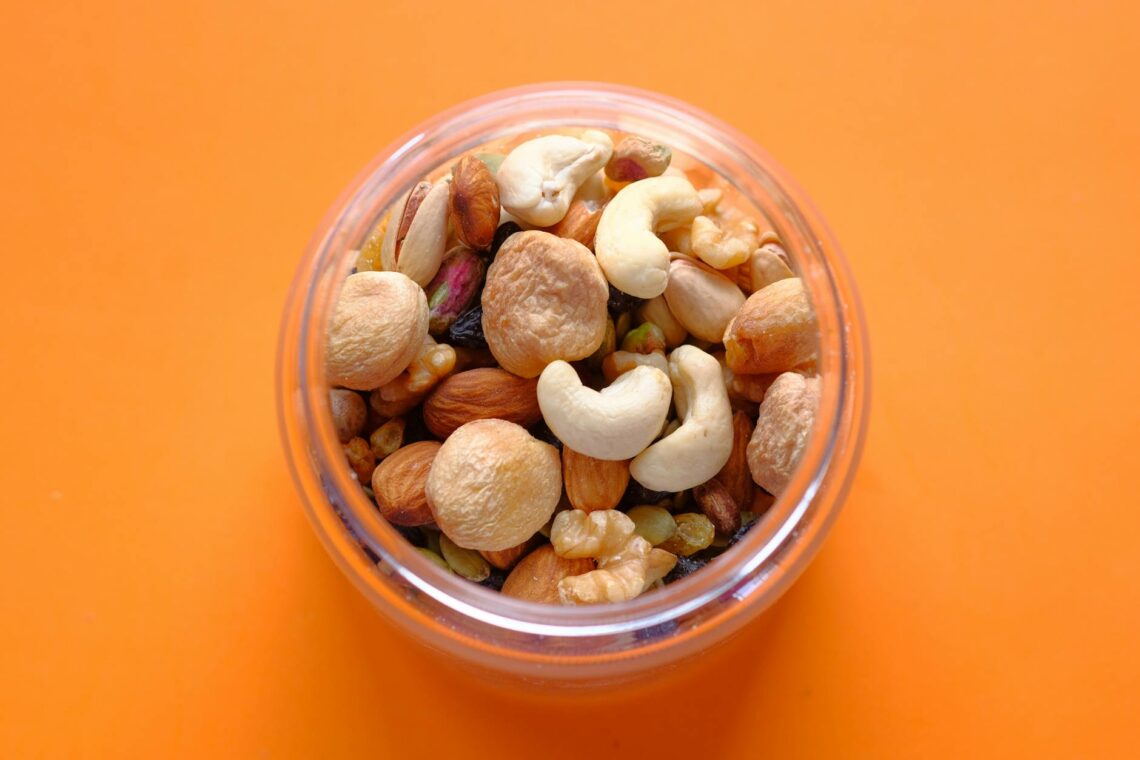
- Nuts and seeds: Almonds, walnuts, macadamia nuts, sunflower seeds, and pumpkin seeds are all low in carbs and high in healthy fats.
- Cheese: Cheese sticks, cubes, or individually wrapped portions are convenient and satisfying.
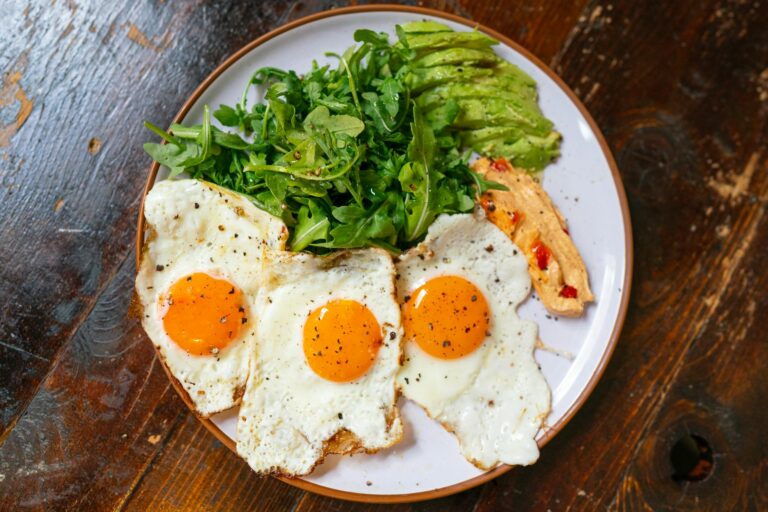
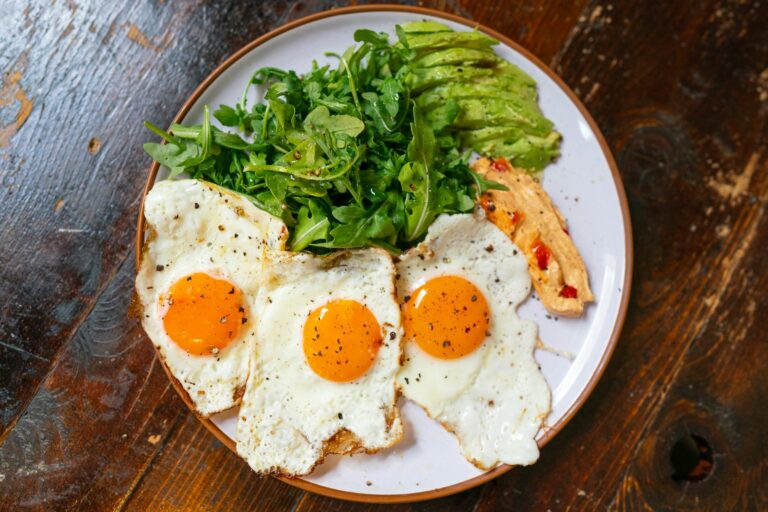
- Hard-boiled eggs: A protein-packed snack that can be prepared in advance and easily transported.
- Avocado: A source of healthy fats and fibre, avocados can be eaten on their own or added to salads or omelettes.
- Pork scratchings: A salty, crunchy snack that’s surprisingly keto-friendly.
What this means in practice
Imagine you’re heading to a conference in Birmingham. Before you leave, grab some almonds and macadamia nuts from Tesco. A bag of each will set you back about £8. Pack them in your carry-on. When you arrive, skip the conference buffet’s pastries and head straight for the cheese and vegetable platter. For dinner, order a grilled salmon with steamed broccoli, asking for butter instead of a sugary sauce. This approach will keep you on track without feeling deprived.
Frequently asked questions
How do I track my macros while travelling?
Tracking macros while travelling can be challenging, but it’s not impossible. Use a food tracking app on your smartphone to log your meals and snacks as accurately as possible. When eating out, estimate portion sizes and carbohydrate content based on available information. Focus on hitting your protein and fat targets while keeping carbs as low as possible.
What if I accidentally eat too many carbs?
Don’t panic! One high-carb meal won’t completely derail your progress. Simply get back on track with your next meal and focus on staying consistent for the remainder of your trip. Consider increasing your fat intake to help your body return to ketosis more quickly.
Can I drink alcohol on a keto diet while travelling?
Alcohol can hinder ketosis, so it’s best to limit your intake. If you choose to drink, opt for low-carb options like dry wine or spirits mixed with soda water. Be mindful of mixers, as many contain hidden sugars. Drink plenty of water to stay hydrated and mitigate the effects of alcohol.
The bottom line
Travelling three days a week on a keto diet requires commitment and planning, but it is achievable. By preparing your meals and snacks in advance, making smart choices when eating out, and staying mindful of your macro targets, you can maintain ketosis and enjoy your travels. Remember, consistency is key, and even small steps can make a big difference. If you’d rather not do the macro maths yourself, the automatic macro calculator in the Keto Dieting app does it for you on Google Play and the App Store.
References
- Bueno NB, de Melo IS, de Oliveira SL, da Rocha Ataide T (2013). Very-low-carbohydrate ketogenic diet v. low-fat diet for long-term weight loss: a meta-analysis of randomised controlled trials. British Journal of Nutrition. https://doi.org/10.1017/S0007114513000548
- Sumithran P, Prendergast LA, Delbridge E, et al. (2013). Ketosis and appetite-mediating nutrients and hormones after weight loss. European Journal of Clinical Nutrition. https://doi.org/10.1038/ejcn.2013.90