Interested in the carnivore diet but unsure about giving up plant foods entirely? The carnivore-adjacent keto plan might be the perfect compromise. It combines the principles of a ketogenic diet with a focus on animal-based foods, while still allowing for some low-carb plant options. This approach can offer many of the potential benefits of both diets, such as weight loss and improved metabolic health, while providing more dietary flexibility. A ketogenic diet restricts carbohydrates to induce ketosis.
What is Carnivore-Adjacent Keto?
Carnivore-adjacent keto is a modified ketogenic diet that prioritises animal products like meat, fish, eggs, and dairy, but also includes small amounts of low-carbohydrate plant foods. This might include non-starchy vegetables like leafy greens, avocados, or berries. The goal is to maintain a state of ketosis while enjoying a wider variety of foods than a strict carnivore diet allows. This approach can be more sustainable and palatable for some people, while still providing many of the potential benefits of a ketogenic lifestyle. the standard keto macro percentages are modified to suit.
Benefits of Combining Keto and Carnivore
Combining elements of both diets could offer several advantages. A ketogenic diet has been shown to be effective for weight loss and improving metabolic health markers the effect of keto on blood lipids. The carnivore diet, on the other hand, is praised for its simplicity and potential to eliminate food sensitivities. By combining the two, you may experience improved satiety, reduced cravings, and better blood sugar control, while still enjoying some plant-based nutrients and fibre. This can be particularly appealing for those who find a strict carnivore diet too restrictive or difficult to maintain long-term.
Foods to Eat
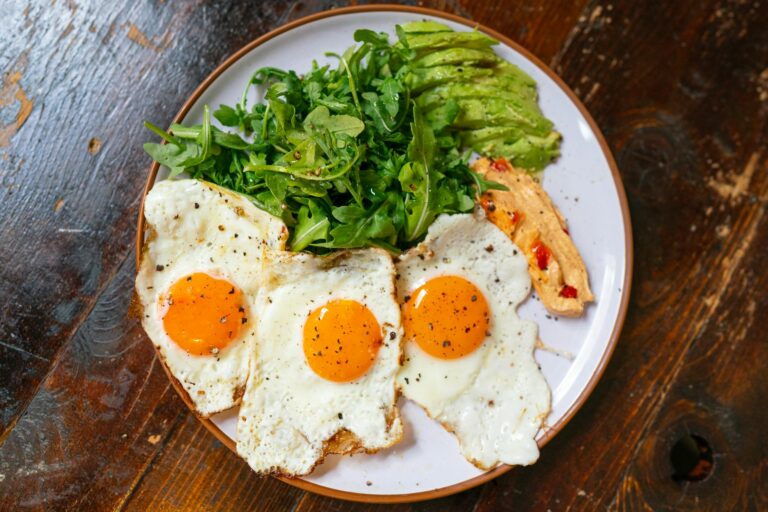
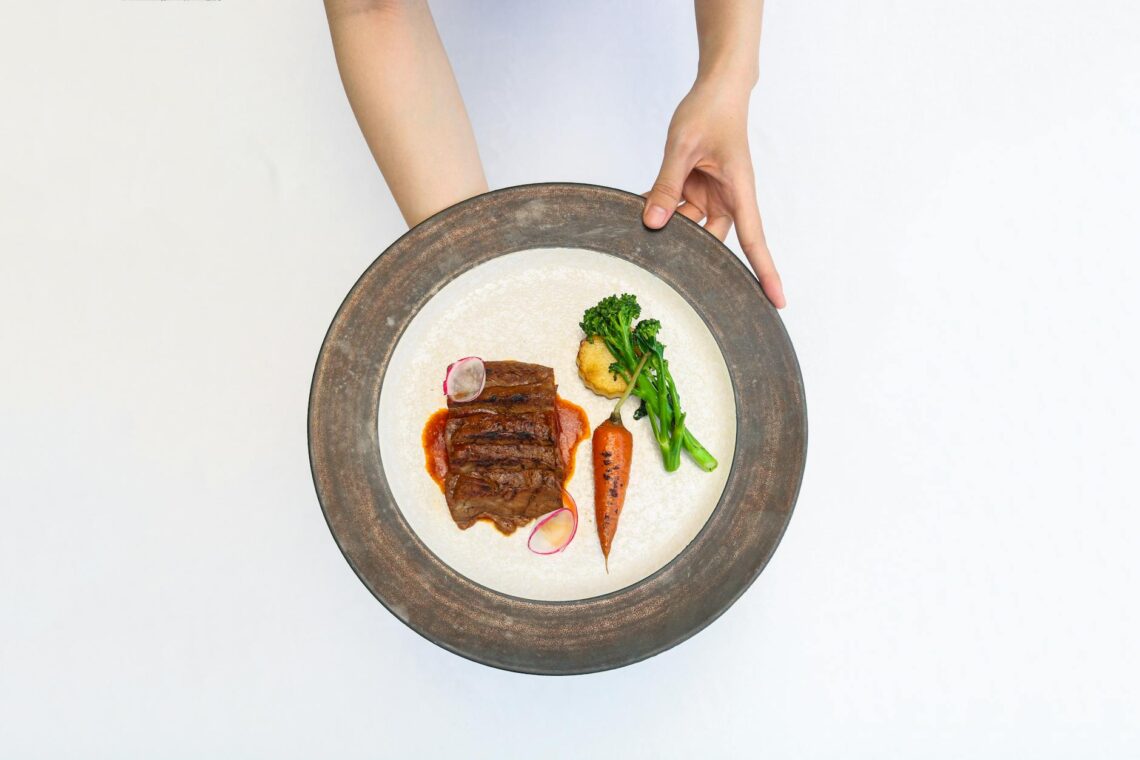
On a carnivore-adjacent keto plan, focus on nutrient-dense animal products. Prioritise fatty cuts of meat like steak, lamb, and pork. Include plenty of fish, especially fatty fish like salmon and mackerel. Eggs and full-fat dairy products such as cheese, cream, and butter are also excellent choices. Supplement these with small portions of low-carb vegetables like spinach, kale, and broccoli. Berries, in moderation, can provide antioxidants and a touch of sweetness. Remember to track your carbohydrate intake to ensure you remain in ketosis.
Foods to Avoid
To maintain ketosis, it’s crucial to limit your carbohydrate intake. Avoid high-carb foods like grains, bread, pasta, rice, potatoes, and sugary snacks and drinks. Also, limit your intake of high-carb fruits like bananas, apples, and oranges. While some vegetables are allowed, avoid starchy vegetables like carrots, parsnips and sweet potatoes. Processed foods, even if they are low in carbohydrates, should be minimised as they often contain unhealthy additives and can hinder your progress.
What this means in practice
Imagine a typical winter’s day. For breakfast, you might have scrambled eggs with cheese and bacon. Lunch could be a hearty beef stew with a small portion of cauliflower rice. Dinner might be salmon with a side of sautéed spinach. For snacks, consider cheese slices or a handful of berries. You can buy a kilo of frozen spinach at Aldi for around £1.50, and a pack of salmon fillets at Tesco for about £6. This approach offers variety and flavour while keeping you firmly in ketosis.
Frequently asked questions
Will I lose weight on this plan?
Potentially, yes. The ketogenic diet has been shown to be effective for weight loss. By prioritising protein and fat, you may feel fuller for longer, reducing your overall calorie intake. However, weight loss depends on various factors, including your individual metabolism and activity level.
Is this diet good for people with type 2 diabetes?
Some studies suggest that ketogenic diets can improve blood sugar control in people with type 2 diabetes. By restricting carbohydrate intake, you can reduce your blood glucose levels and potentially decrease your reliance on medication. Always consult with your GP before making significant dietary changes.
Can I eat too much protein on this diet?
While protein is essential, consuming excessive amounts can be counterproductive. When you eat too much protein, your body can convert it into glucose through a process called gluconeogenesis, which can kick you out of ketosis. Aim for moderate protein intake.
Is this diet sustainable long-term?
The sustainability of any diet depends on individual preferences and adherence. The carnivore-adjacent keto plan may be more sustainable than a strict carnivore diet due to the inclusion of some plant foods. However, it’s essential to listen to your body and make adjustments as needed.
The bottom line
The carnivore-adjacent keto plan offers a flexible approach to ketogenic eating, combining the benefits of animal-based foods with limited low-carb plant options. It may be a sustainable option for those seeking weight loss, improved metabolic health, and a less restrictive dietary approach than a strict carnivore diet. Remember to focus on whole, unprocessed foods and listen to your body’s needs. If you’d rather not do the macro maths yourself, the Keto Dieting app does it for you on Google Play and the App Store.
References
- Bueno NB, de Melo IS, de Oliveira SL, da Rocha Ataide T (2013). Very-low-carbohydrate ketogenic diet v. low-fat diet for long-term weight loss: a meta-analysis of randomised controlled trials. British Journal of Nutrition. https://doi.org/10.1017/S0007114513000548
- Kosinski C, Jornayvaz FR (2017). Effects of Ketogenic Diets on Cardiovascular Risk Factors: Evidence from Animal and Human Studies. Nutrients. https://doi.org/10.3390/nu9050517