Can you combine the ketogenic diet with the principles of the Mediterranean diet? Absolutely. The Mediterranean-style keto plan blends the very low carbohydrate intake of a ketogenic diet with the healthy fats, moderate protein, and fresh produce that characterise the Mediterranean way of eating. This approach may offer a more sustainable and palatable way to achieve ketosis for some people.
What is Mediterranean Keto?
The standard ketogenic diet focuses on drastically reducing carbohydrate intake (typically to less than 50 grams per day) while increasing fat consumption. This shift forces the body to switch its primary fuel source from glucose (from carbohydrates) to ketones (from fat), a metabolic state known as ketosis. The Mediterranean diet, on the other hand, emphasises olive oil, fish, vegetables, fruits, and whole grains, with moderate amounts of poultry, dairy, and red wine.
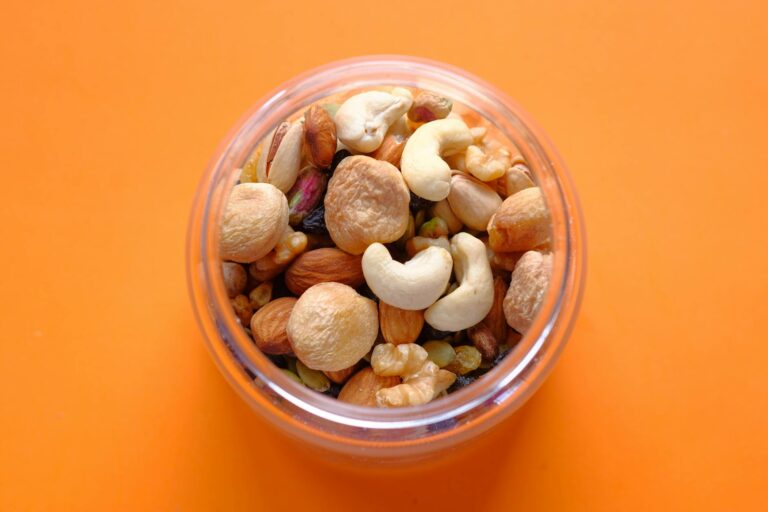
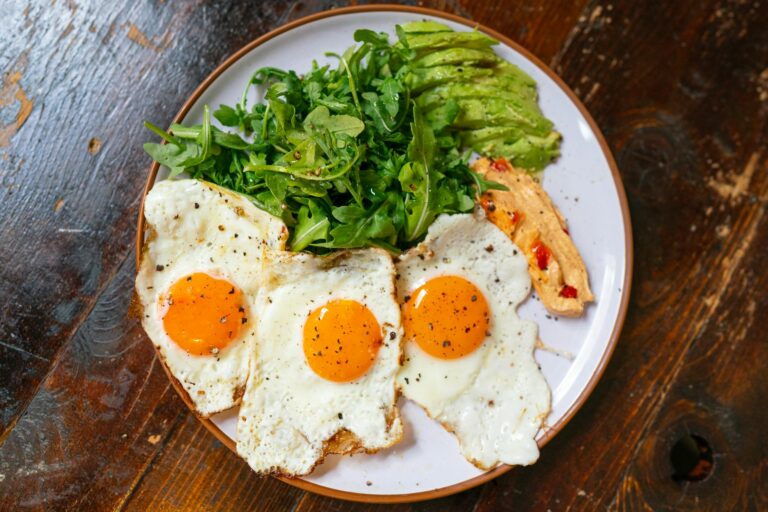
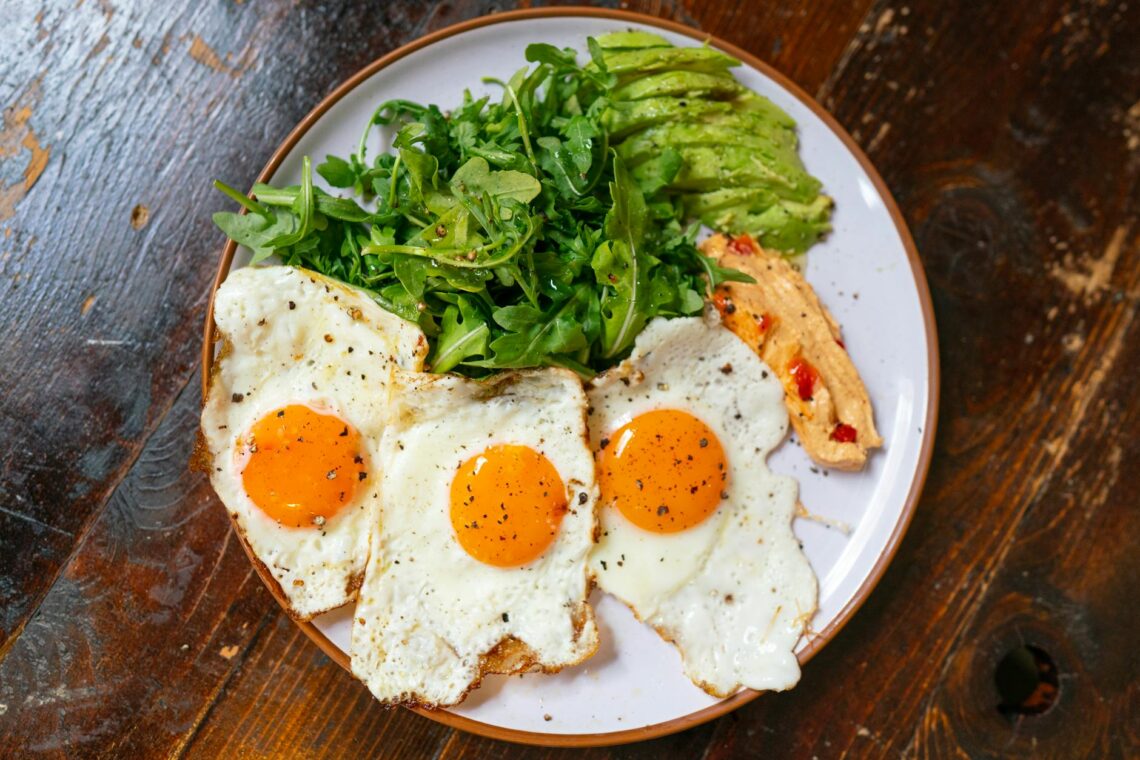
Mediterranean keto combines these principles by prioritising non-starchy vegetables, fatty fish like salmon and mackerel, olive oil, avocados, nuts, and seeds. It limits red meat and avoids processed foods, sugary drinks, and refined carbohydrates. The goal is to achieve ketosis while adhering to the heart-healthy and anti-inflammatory aspects of the Mediterranean diet. a sample 7-day keto meal plan can help you visualise how this works.
Benefits of Combining Keto and Mediterranean Principles
Combining these two dietary approaches may offer several potential benefits:
- Improved Heart Health: The Mediterranean diet is well-known for its positive effects on cardiovascular health. Fatty fish are rich in omega-3 fatty acids, which may reduce triglyceride levels and blood pressure. Olive oil, a staple of the Mediterranean diet, is a source of monounsaturated fats, which can improve cholesterol levels. Kosinski and Jornayvaz (2017) found evidence from animal and human studies that ketogenic diets can impact cardiovascular risk factors. DOI: 10.3390/nu9050517
- Enhanced Nutrient Intake: By focusing on whole, unprocessed foods like vegetables, nuts, and seeds, Mediterranean keto can provide a wider range of vitamins and minerals compared to a standard ketogenic diet that relies heavily on meat and cheese.
- Increased Satiety: The combination of healthy fats and fibre from vegetables can promote feelings of fullness and satisfaction, which may help with weight management. Sumithran et al (2013) showed that ketosis affects appetite-mediating nutrients and hormones after weight loss. DOI: 10.1038/ejcn.2013.90
What This Means in Practice
Imagine a typical British autumn day. Instead of reaching for a comforting bowl of pasta, you might prepare baked salmon with roasted broccoli drizzled with olive oil. For a snack, consider a handful of almonds or a few squares of dark chocolate. At Tesco, you can find 200g of Scottish salmon fillets for around £6. This approach allows you to enjoy seasonal produce and familiar flavours while staying within your carbohydrate limits. tips for making keto easier to follow
Potential Drawbacks
While Mediterranean keto offers several advantages, there are also some potential drawbacks to consider:
- Restrictiveness: Combining two restrictive diets can be challenging to maintain long-term. Careful meal planning and preparation are essential.
- Nutrient Deficiencies: It’s important to ensure you’re getting all the necessary vitamins and minerals, especially if you’re limiting certain food groups. Consider consulting a registered dietitian or nutritionist.
- Transition Period: As with any significant dietary change, there may be a transition period as your body adapts to using fat for fuel. This can sometimes result in the “keto flu”, with symptoms like fatigue and headaches.
Frequently Asked Questions
Can I eat fruit on a Mediterranean keto diet?
Small portions of low-carbohydrate fruits like berries, avocado, and tomatoes can be included. Focus on non-starchy vegetables as your primary source of produce.
Is red wine allowed?
Small amounts of dry red wine may be permissible, but be mindful of the carbohydrate content. It’s best to limit or avoid alcohol, especially during the initial stages of ketosis.
What are some good sources of protein?
Prioritise fatty fish like salmon, mackerel, and sardines. You can also include moderate amounts of poultry, eggs, and plant-based protein sources like tofu and tempeh.
What kind of fats should I focus on?
Olive oil should be your primary source of fat. Other healthy fats include avocados, nuts, seeds, and fatty fish.
How do I track my macros on this diet?
Carefully monitor your carbohydrate, protein, and fat intake to ensure you’re staying within your target ranges for ketosis. A food scale and macro-tracking app can be helpful.
The Bottom Line
The Mediterranean-style keto plan offers a potentially sustainable and heart-healthy approach to low-carb eating. By combining the principles of the ketogenic diet with the Mediterranean diet, you can enjoy a variety of delicious and nutritious foods while achieving your weight loss and health goals. Remember to consult with a healthcare professional or registered dietitian before making any major dietary changes. If you’d rather not do the macro maths yourself, the automatic macro calculator in the Keto Dieting app does it for you on Google Play and the App Store.
References
- Kosinski C, Jornayvaz FR (2017). Effects of Ketogenic Diets on Cardiovascular Risk Factors: Evidence from Animal and Human Studies. Nutrients. https://doi.org/10.3390/nu9050517
- Sumithran P, Prendergast LA, Delbridge E, et al. (2013). Ketosis and appetite-mediating nutrients and hormones after weight loss. European Journal of Clinical Nutrition. https://doi.org/10.1038/ejcn.2013.90