

Wine on Keto: Red, White, and the Carb Truth
The ketogenic diet requires careful attention to carbohydrate intake, and alcoholic beverages like wine can complicate matters. While many assume all alcohol is off-limits, certain wines can fit into a low-carb lifestyle when consumed in moderation. This article examines the carb content of red and white wines, their effects on ketosis, and practical tips for enjoying wine without derailing your progress.
Understanding Carbs in Wine
Wine contains residual sugars from the fermentation process, which contribute to its carbohydrate content. Dry wines typically have fewer carbs than sweet or dessert wines. A standard 175ml glass of dry red wine contains about 3-4 grams of carbs, while the same serving of dry white wine has roughly 2-3 grams. Sweet wines, such as Moscato or Port, can contain 15 grams or more per glass.
keto-friendly alcoholic drinks offer alternatives for those who want to enjoy a drink without exceeding their carb limit. It’s also worth noting that alcohol metabolism can temporarily pause fat burning, even if it doesn’t kick you out of ketosis.
Red vs. White Wine on Keto
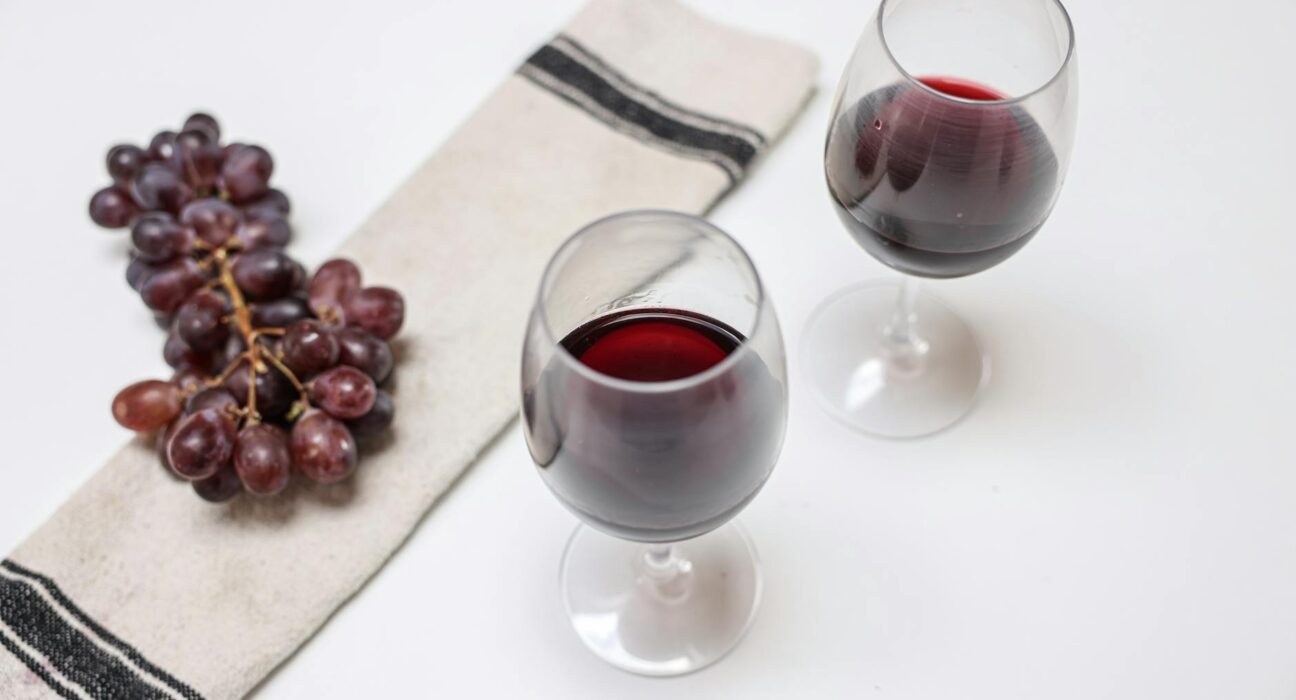
Red wine is often favoured for its potential health benefits, including antioxidants like resveratrol. A 175ml glass of Cabernet Sauvignon or Pinot Noir usually contains around 3-4 grams of carbs. White wines like Sauvignon Blanc or Pinot Grigio tend to be slightly lower, with 2-3 grams per glass. However, some oaked Chardonnays may have slightly higher residual sugars.
Sparkling wines, particularly brut varieties, are another good option, with roughly 2 grams of carbs per 175ml serving. Prosecco and Champagne (extra brut or brut nature) are among the lowest-carb choices.
What This Means in Practice
When selecting wine on a ketogenic diet, opt for dry varieties and check nutritional information where possible. At UK supermarkets like Tesco, a bottle of Barefoot Pinot Grigio (£7) lists 2.8g carbs per 175ml serving, while McGuigan Black Label Shiraz (£6.50) contains 3.2g per glass. Avoid late-harvest wines, dessert wines, and anything labelled “sweet” or “off-dry.”
Pairing wine with high-fat snacks like cheese or olives can help mitigate blood sugar spikes. A small serving of nuts or keto-friendly dark chocolate can also balance the effects of alcohol.
Frequently Asked Questions
Can I drink wine every day on keto?
Moderation is key. While an occasional glass of dry wine is unlikely to disrupt ketosis, daily consumption may slow fat loss due to alcohol’s metabolic priority. Stick to 1-2 glasses max, and account for the carbs in your daily limit.
Does wine affect ketosis differently than other carbs?
Alcohol is metabolised before other nutrients, which can temporarily pause fat burning. However, dry wine’s low carb content means it’s less likely to kick you out of ketosis compared to sugary cocktails or beer.
Which has fewer carbs: red or white wine?
Generally, dry white wines have slightly fewer carbs than dry reds, but the difference is minimal (1-2g per glass). Focus on choosing dry varieties and checking labels when possible.
The Bottom Line
Dry red and white wines can be part of a ketogenic diet when consumed in moderation. Stick to brut sparkling wines, dry whites like Sauvignon Blanc, and dry reds like Pinot Noir to keep carb intake low. Always factor wine into your daily macros, and consider pairing it with high-fat foods to mitigate blood sugar fluctuations. If you’d rather not do the macro maths yourself, the Keto Dieting app does it for you on Google Play and the App Store.
References
- Bueno NB, de Melo IS, de Oliveira SL, da Rocha Ataide T (2013). Very-low-carbohydrate ketogenic diet v. low-fat diet for long-term weight loss: a meta-analysis of randomised controlled trials. British Journal of Nutrition. https://doi.org/10.1017/S0007114513000548
- Paoli A, Rubini A, Volek JS, Grimaldi KA (2013). Beyond weight loss: a review of the therapeutic uses of very-low-carbohydrate (ketogenic) diets. European Journal of Clinical Nutrition. https://doi.org/10.1038/ejcn.2013.116