
A Keto Plan With No Cheese
The ketogenic diet, characterised by its low-carbohydrate, high-fat approach, often features cheese as a convenient and palatable option. But what if you dislike cheese or have an intolerance? Rest assured, it’s entirely possible to construct a satisfying keto menu without it. The key is to focus on other sources of healthy fats and protein.
Building Blocks of a Cheese-Free Keto Plan
The ketogenic diet relies on drastically reducing carbohydrate intake to shift the body into a state of ketosis. When carbohydrate intake is low, the body starts burning fat for energy, producing ketones as a byproduct. This metabolic shift can support weight loss and improve blood sugar control in some people [6, 9]. A successful cheese-free keto plan hinges on replacing cheese with other nutrient-rich, keto-friendly foods.
- Protein sources: Meat (beef, pork, lamb, chicken, turkey), fish (salmon, mackerel, tuna), shellfish (prawns, crab, lobster), eggs, and tofu (if you include soy). Aim for 1-1.5 grams of protein per kilogram of body weight.
- Healthy fats: Avocado, olive oil, coconut oil, avocado oil, nuts and seeds (almonds, walnuts, chia seeds, flax seeds), and fatty fish. These should form the bulk of your calorie intake.
- Low-carbohydrate vegetables: Leafy greens (spinach, kale, lettuce), broccoli, cauliflower, asparagus, courgette, and bell peppers. Limit starchy vegetables like potatoes and sweetcorn.
Sample Cheese-Free Keto Meal Ideas
- Breakfast: Scrambled eggs with spinach and avocado, cooked in coconut oil. A handful of almonds on the side.
- Lunch: Salmon salad with mixed greens, olive oil dressing, and a sprinkle of chia seeds.
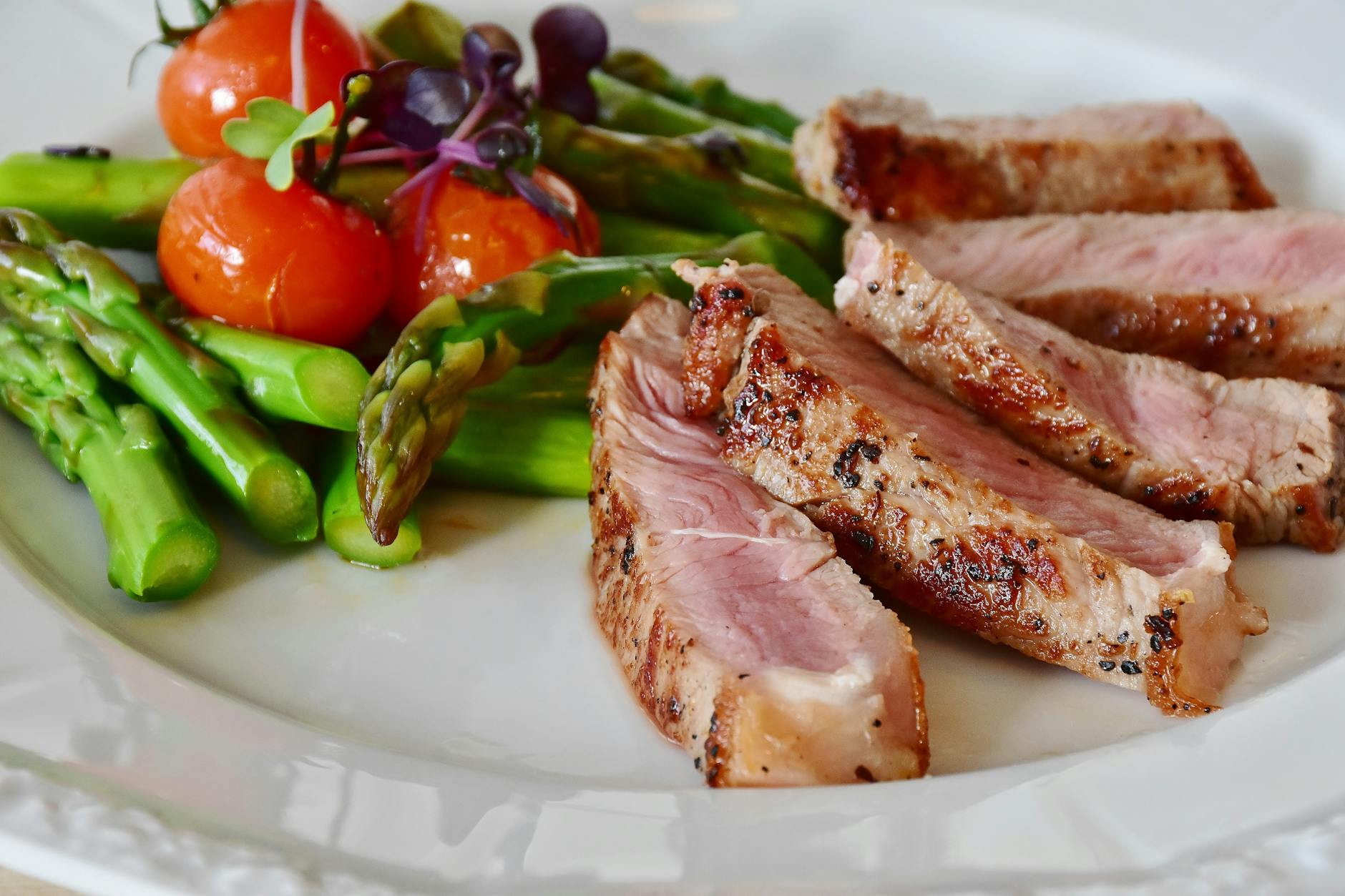
- Dinner: Steak with roasted broccoli and asparagus, drizzled with avocado oil.
- Snacks: A small portion of mixed nuts and seeds, a hard-boiled egg, or a few slices of avocado.
What This Means in Practice
Consider a typical cheese-heavy keto snack: cheese cubes. To replace this, you might opt for a handful of almonds (about 30g), which you can buy for around £1.50 at Tesco. You could also prepare some celery sticks with almond butter. When eating out, choose menu options that are naturally cheese-free, such as grilled meats or fish with vegetable sides. Ask for sauces to be served on the side so you can control the amount of carbohydrates.
Addressing Potential Challenges
One challenge of avoiding cheese on a keto diet is ensuring adequate calcium intake. Include plenty of leafy green vegetables in your diet, and consider a calcium supplement if necessary. Another potential issue is flavour fatigue. Cheese adds a distinct flavour profile, so experiment with herbs, spices, and different cooking methods to keep your meals interesting. Tracking your macros carefully will also help you stay on track.
Frequently Asked Questions
Can I eat dairy-free cheese alternatives?
Some dairy-free cheese alternatives are keto-friendly, but many are high in carbohydrates. Always check the nutrition label carefully and choose options made from nuts, seeds, or coconut oil with minimal added sugars or starches.
What about cream cheese?
Traditional cream cheese is a dairy product and not suitable for a cheese-free keto plan. However, some dairy-free cream cheese alternatives exist, but again, check the label for carbohydrate content.
How can I make my keto meals more flavourful without cheese?
Use a variety of herbs, spices, and seasonings. Garlic, onion powder, paprika, chilli flakes, and Italian herbs can add depth of flavour to your meals. Experiment with different cooking methods like roasting, grilling, and stir-frying.
Is a cheese-free keto diet suitable for everyone?
A cheese-free keto diet is generally safe for most people. However, if you have any underlying health conditions, such as kidney disease or are taking medications, it’s always best to consult with a healthcare professional before starting any new dietary programme.
The Bottom Line
A cheese-free ketogenic diet is not only achievable but can be a delicious and nutritious way to reach your health goals. By focusing on quality protein sources, healthy fats, and low-carbohydrate vegetables, you can create a satisfying and sustainable keto plan without relying on cheese. It requires careful planning and attention to detail, but the results can be well worth the effort. If you’d rather not do the macro maths yourself, the macro tracker in the Keto Dieting app does it for you on Google Play and the App Store.
References
- Yancy WS, Foy M, Chalecki AM, Vernon MC, Westman EC (2005). A low-carbohydrate, ketogenic diet to treat type 2 diabetes. Nutrition & Metabolism. https://doi.org/10.1186/1743-7075-2-34
- Westman EC, Yancy WS, Mavropoulos JC, Marquart M, McDuffie JR (2008). The effect of a low-carbohydrate, ketogenic diet versus a low-glycemic index diet on glycemic control in type 2 diabetes mellitus. Nutrition & Metabolism. https://doi.org/10.1186/1743-7075-5-36