
What MRI Studies Show About Visceral Fat on Keto
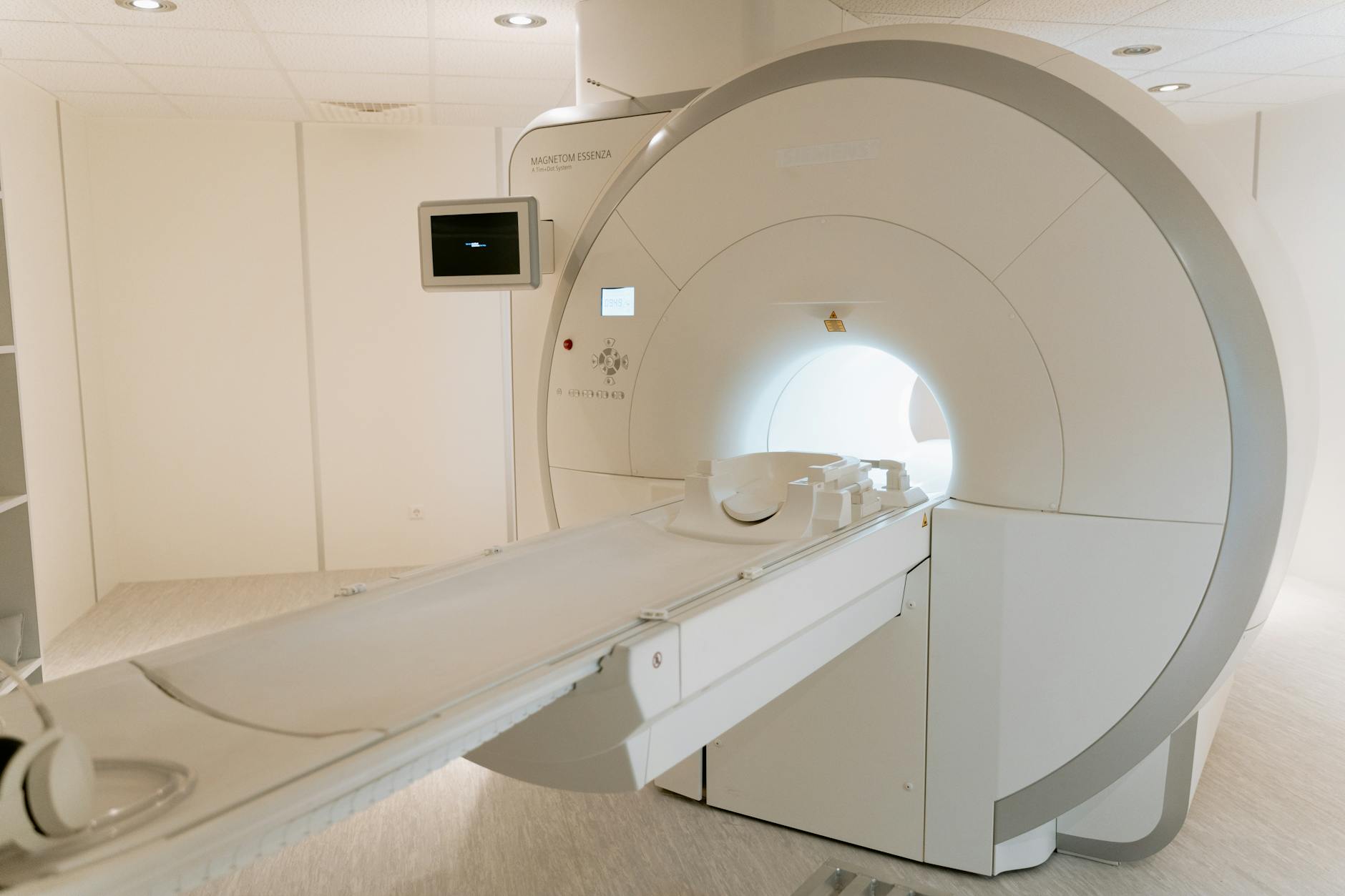
The ketogenic diet alters how the body stores and burns fat, with particularly striking effects on visceral adipose tissue. MRI scans provide objective evidence that this deep abdominal fat – the kind most strongly linked to metabolic disease – responds rapidly to carbohydrate restriction.
How visceral fat differs from subcutaneous fat
Visceral fat wraps around internal organs in the abdominal cavity, while subcutaneous fat sits beneath the skin. The former actively secretes inflammatory cytokines and free fatty acids directly into the portal vein leading to the liver. Studies using MRI and CT scans show visceral fat correlates more strongly with insulin resistance than overall body weight.
MRI evidence of visceral fat reduction
A 2018 study published in Cell Metabolism used MRI to track liver and visceral fat changes during carbohydrate restriction. Participants eating less than 50g of carbs daily showed a 42% reduction in liver fat and 25% decrease in visceral fat within just two weeks. These changes occurred independent of weight loss, suggesting ketosis directly alters fat metabolism pathways.
the keto adaptation timeline explains why these rapid changes occur. As glycogen stores deplete, the body increases lipolysis – the breakdown of fat stores for energy. Visceral fat appears particularly responsive to this metabolic shift.
Why visceral fat matters for metabolic health
Excess visceral fat strongly predicts development of type 2 diabetes and cardiovascular disease. The Hyde 2019 study in JCI Insight found that reducing carbohydrate intake improved all components of metabolic syndrome, with visceral fat loss driving many benefits. MRI scans showed improvements in liver insulin sensitivity correlated strongly with visceral fat reduction.
What this means in practice
For UK residents, reducing visceral fat doesn’t require expensive supplements or gym memberships. Tesco sells double cream at £1.80 for 300ml – a keto staple that provides satiating fats without spiking insulin. Seasonal British vegetables like Brussels sprouts and kale offer fibre with minimal net carbs. The NHS recognises low-carb approaches as valid for managing metabolic health conditions.
Frequently asked questions
How quickly can you lose visceral fat on keto?
MRI studies show measurable reductions within two weeks, though individual results vary. The initial rapid loss comes from glycogen depletion and water weight, followed by sustained fat loss over months.
Does exercise help reduce visceral fat faster?
While keto alone reduces visceral fat, combining it with regular activity accelerates results. Strength training appears particularly effective at targeting abdominal fat stores.
Can visceral fat return after stopping keto?
Yes. Maintaining lower carb intake helps prevent visceral fat regain. However, even periodic keto cycling may provide metabolic benefits according to long-term studies.
The bottom line
MRI scans provide objective evidence that a ketogenic diet specifically targets dangerous visceral fat deposits. This explains many of keto’s metabolic benefits beyond simple weight loss. If you’d rather not do the macro maths yourself, the Keto Dieting app does it for you on Google Play and the App Store.
References
- Mardinoglu A, Wu H, Bjornson E, et al. (2018). An Integrated Understanding of the Rapid Metabolic Benefits of a Carbohydrate-Restricted Diet on Hepatic Steatosis in Humans. Cell Metabolism. https://doi.org/10.1016/j.cmet.2018.01.005
- Hyde PN, Sapper TN, Crabtree CD, et al. (2019). Dietary carbohydrate restriction improves metabolic syndrome independent of weight loss. JCI Insight. https://doi.org/10.1172/jci.insight.128308


