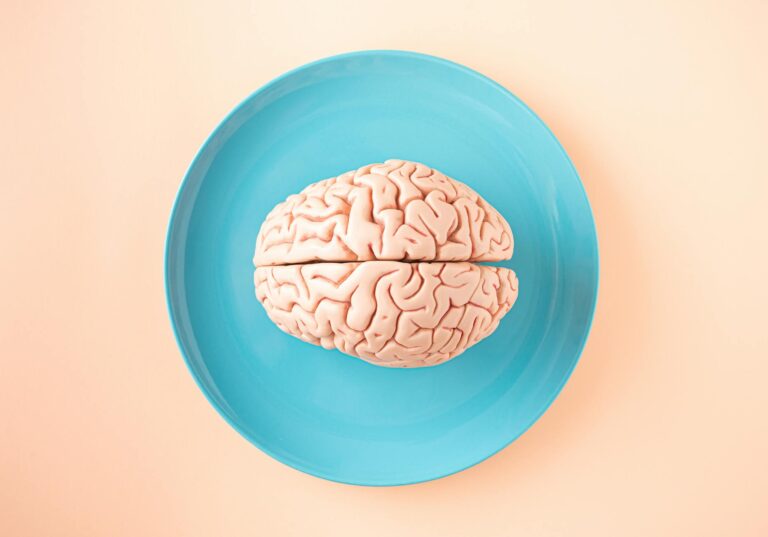
The ketogenic diet isn’t just another weight-loss fad. It has a history as a medical therapy, dating back to the early 20th century. The ketogenic diet was initially developed to treat epilepsy, particularly in children whose seizures did not respond to medication. It remains a relevant option today.
A Brief History
Before the advent of modern anti-epileptic drugs, doctors observed that fasting could reduce seizure frequency. However, fasting isn’t sustainable long-term. Researchers sought a way to mimic the metabolic effects of fasting without requiring complete food deprivation. The ketogenic diet, high in fats and very low in carbohydrates, emerged as a solution. This dietary approach shifts the body’s primary fuel source from glucose to ketones, produced from fat. keto for neurological conditions might offer benefits beyond seizure control.
How Keto May Help With Seizures
The exact mechanisms by which the ketogenic diet reduces seizures aren’t fully understood. Several theories exist:
- Increased Ketone Bodies: Ketones, particularly beta-hydroxybutyrate, may have neuroprotective effects and alter neuronal excitability.
- Enhanced Mitochondrial Function: The diet may improve the energy production and efficiency of mitochondria, the powerhouses of cells, in the brain.
- Changes in Neurotransmitters: Keto may influence the balance of neurotransmitters, such as GABA and glutamate, which play crucial roles in brain activity. A ketogenic diet may increase GABA, an inhibitory neurotransmitter, and decrease glutamate, an excitatory neurotransmitter, thus reducing the likelihood of seizures.
What This Means in Practice
For children with drug-resistant epilepsy, the ketogenic diet can be a valuable tool. It’s typically implemented under the close supervision of a doctor and a registered dietitian. The diet requires careful planning to ensure adequate nutrient intake while maintaining ketosis. Parents may find pre-made keto meals and snacks helpful, available at supermarkets like Tesco and Sainsbury’s, though these can be expensive at around £4-£6 per portion. The NHS offers guidance on managing epilepsy, but ketogenic diet therapy usually requires specialist referral.
Important Considerations
While the ketogenic diet can be effective, it’s not without potential side effects. These can include constipation, kidney stones, and nutrient deficiencies. Long-term adherence can be challenging, and the diet’s impact on growth and development in children needs careful monitoring. It’s crucial to work with healthcare professionals experienced in ketogenic diet therapy to minimise risks and optimise outcomes. keto side effects and how to avoid them are usually manageable with expert guidance.
Frequently Asked Questions
Is the ketogenic diet a cure for epilepsy?
No, the ketogenic diet is not a cure for epilepsy. It’s a therapeutic approach that can help reduce the frequency and severity of seizures in some individuals, but it doesn’t eliminate the underlying cause of the condition.
Is the ketogenic diet safe for everyone with epilepsy?
The ketogenic diet is not suitable for everyone with epilepsy. Certain medical conditions may contraindicate its use. It’s essential to consult with a doctor to determine if it’s an appropriate treatment option.
How long does it take to see results?
Some people may experience a reduction in seizures within a few weeks of starting the ketogenic diet, while others may take longer. It’s important to be patient and consistent with the diet under medical supervision.
What if the ketogenic diet doesn’t work?
If the ketogenic diet isn’t effective in reducing seizures, other treatment options are available, including different medications, vagus nerve stimulation, or surgery. A neurologist can help determine the best course of action.
The Bottom Line
The ketogenic diet has a well-established history as a treatment for epilepsy, particularly in children. While the precise mechanisms are still being investigated, its potential to reduce seizure frequency makes it a valuable option for those who haven’t found relief with traditional medications. It requires careful planning and medical supervision to ensure safety and effectiveness. If you’d rather not do the macro maths yourself, the automatic meal planning feature does it for you on Google Play and the App Store.
References
- Paoli A, Rubini A, Volek JS, Grimaldi KA (2013). Beyond weight loss: a review of the therapeutic uses of very-low-carbohydrate (ketogenic) diets. European Journal of Clinical Nutrition. https://doi.org/10.1038/ejcn.2013.116
- Kosinski C, Jornayvaz FR (2017). Effects of Ketogenic Diets on Cardiovascular Risk Factors: Evidence from Animal and Human Studies. Nutrients. https://doi.org/10.3390/nu9050517