
The 1800-Calorie Maintenance Plan
An 1800-calorie ketogenic diet can be a useful strategy for maintaining weight after a period of weight loss or for those with moderate activity levels. The ketogenic diet, characterised by high fat, moderate protein, and very low carbohydrate intake, shifts the body’s primary fuel source from glucose to ketones. This metabolic state, known as ketosis, can help regulate appetite and stabilise blood sugar levels.
Understanding Your Macros
On a ketogenic diet, the distribution of macronutrients (macros) typically looks like this:
- Fat: 70-80% of total calories
- Protein: 20-25% of total calories
- Carbohydrates: 5-10% of total calories
For an 1800-calorie plan, this translates to roughly:
- Fat: 140-160 grams
- Protein: 90-115 grams
- Carbohydrates: 20-50 grams
It’s important to note that these are general guidelines. Individual needs may vary based on factors such as activity level, age, gender, and metabolic health. Some find that slightly more protein helps with satiety. Others do better with fewer carbs. Experiment to find what works best for you. tracking your ketone levels can help dial in your ideal macro ratios.
Sample Meal Plan
Here’s an example of what an 1800-calorie keto meal plan might look like:
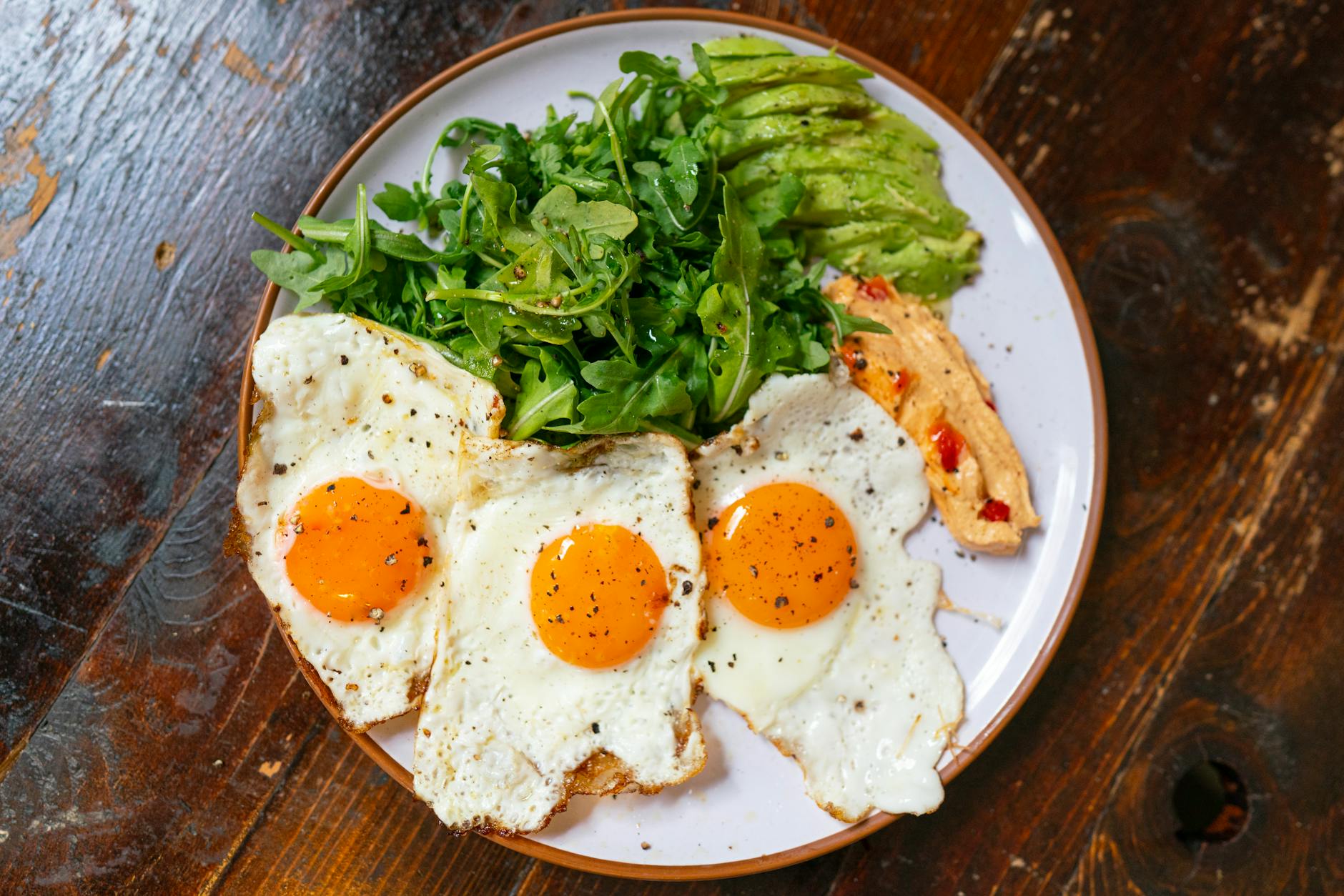
- Breakfast (400 calories): Scrambled eggs (3) with cheese (30g) and avocado (1/4).
- Lunch (500 calories): Large salad with grilled chicken (150g), mixed greens, olive oil and vinegar dressing, and a handful of nuts.
- Dinner (600 calories): Salmon fillet (170g) baked with asparagus and a side of cauliflower mash.
- Snacks (300 calories): A small handful of macadamia nuts, a few squares of dark chocolate (85% cocoa), or full-fat Greek yoghurt with berries.
Feel free to adjust portion sizes and swap out ingredients to suit your preferences and dietary needs. Variety is key to sticking with any meal plan long term. Remember to drink plenty of water throughout the day to stay hydrated.
What This Means in Practice
Imagine it’s a chilly autumn evening in the UK. You’re craving something comforting but want to stay on track with your keto maintenance plan. A great option would be a creamy cauliflower and cheese bake. You can pick up a large cauliflower for around £2 at Tesco, add some mature cheddar, and a knob of butter. This dish is high in fat, moderate in protein, and low in carbs, making it a perfect fit for your 1800-calorie keto goals. It’s also a great way to use seasonal vegetables and enjoy a hearty, satisfying meal.
The Importance of Electrolytes
When you restrict carbohydrates, your body excretes more electrolytes, such as sodium, potassium, and magnesium. It’s crucial to replenish these electrolytes to avoid symptoms like fatigue, headaches, and muscle cramps. You can do this by adding salt to your meals, drinking bone broth, or taking an electrolyte supplement. electrolyte imbalances on keto are easily corrected with attention to intake.
Frequently Asked Questions
Q: Can I still eat out on an 1800-calorie keto plan?
A: Yes, but you’ll need to be mindful of your choices. Opt for dishes that are high in protein and fat and low in carbohydrates. Ask for sauces and dressings on the side so you can control the amount you consume. Many restaurants now offer options that can be easily adapted to fit a keto diet.
Q: How often should I weigh myself?
A: Weighing yourself once a week is generally sufficient to monitor your progress and make adjustments to your meal plan if needed. Avoid weighing yourself daily, as fluctuations in weight are normal and can be influenced by factors such as hydration levels and sodium intake.
Q: What if I’m not losing or maintaining weight on 1800 calories?
A: If you’re not seeing the desired results, it’s important to reassess your macro intake and activity level. You may need to adjust your calorie intake or increase your physical activity to achieve your goals. Consulting with a registered dietitian or healthcare professional can provide personalised guidance.
The Bottom Line
The 1800-calorie maintenance plan can be an effective way to sustain your weight while enjoying the benefits of a ketogenic diet. By understanding your macros, planning your meals, and paying attention to your body’s needs, you can achieve your health and wellness goals. Remember to stay hydrated and replenish electrolytes to avoid any unwanted side effects. If you’d rather not do the macro maths yourself, the automatic macro calculator does it for you on Google Play and the App Store.
References
- Bueno NB, de Melo IS, de Oliveira SL, da Rocha Ataide T (2013). Very-low-carbohydrate ketogenic diet v. low-fat diet for long-term weight loss: a meta-analysis of randomised controlled trials. British Journal of Nutrition. https://doi.org/10.1017/S0007114513000548