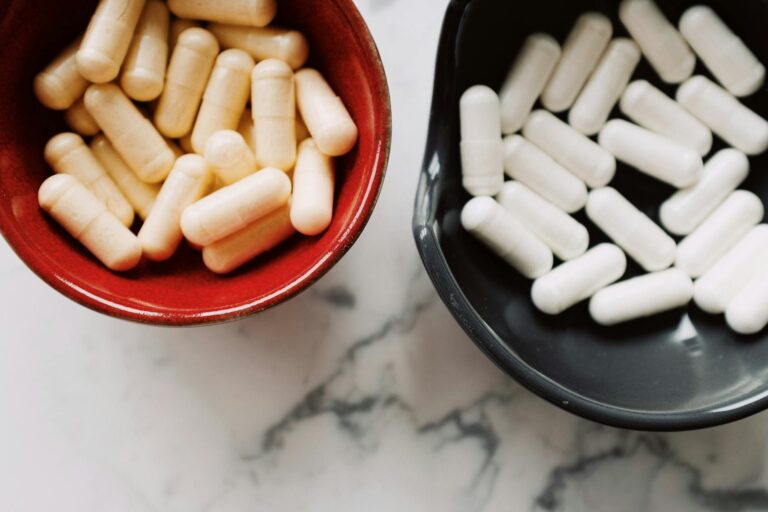
The ketogenic diet shifts the body’s metabolism toward fat burning, which can initially heighten stress responses in some individuals. Adaptogens like ashwagandha (Withania somnifera) and rhodiola (Rhodiola rosea) are traditionally used herbs that may help modulate this physiological stress. Neither contains significant carbohydrates, making them compatible with keto macros.
How adaptogens interact with ketosis
Ketosis alters cortisol patterns and adrenal output. A 2013 study in the European Journal of Clinical Nutrition found that ketogenic diets influence appetite-regulating hormones like ghrelin and leptin (Sumithran et al., 2013). Ashwagandha has been shown in separate research to lower cortisol by up to 28% in chronically stressed adults, while rhodiola may support ATP production in mitochondria – the cellular powerhouses that keto-adapted bodies rely on heavily.
What this means in practice
UK supermarkets like Holland & Barrett stock both herbs in capsule form, typically priced at £9-£15 for a month’s supply. During darker winter months when natural vitamin D levels drop, these adaptogens may offer additional support alongside keto electrolyte management. A teaspoon of powdered ashwagandha stirred into a morning bulletproof coffee provides about 0.5g net carbs.
Choosing quality sources
Look for extracts standardised to active compounds:
- Ashwagandha: 5% withanolides
- Rhodiola: 3% rosavins and 1% salidroside
These concentrations align with clinical trial dosages. Avoid alcohol-based tinctures if monitoring ketones, as the ethanol content may skew breath analyser readings.
Frequently asked questions
Can adaptogens kick you out of ketosis?
No. Pure ashwagandha and rhodiola contain negligible carbohydrates. A 500mg capsule of either typically provides less than 0.1g net carbs.
When is the best time to take them?
Ashwagandha works best taken consistently, while rhodiola shows greater acute effects. Many find taking rhodiola pre-workout or mid-afternoon helps combat the 3pm energy slump common during early keto adaptation.
Are there any interactions with keto supplements?
No known contraindications with magnesium or omega-3s. Those taking blood pressure medication should consult their GP before using rhodiola, as it may enhance hypotensive effects.
The bottom line
Ashwagandha and rhodiola offer potential stress-modulating benefits that may complement a ketogenic lifestyle. While not essential for ketosis, they provide botanical support during dietary transitions. If you’d rather not do the macro maths yourself, the Keto Dieting app does it for you on Google Play and the App Store.
References
- Sumithran P, Prendergast LA, Delbridge E, et al. (2013). Ketosis and appetite-mediating nutrients and hormones after weight loss. European Journal of Clinical Nutrition. https://doi.org/10.1038/ejcn.2013.90
- Paoli A, Rubini A, Volek JS, Grimaldi KA (2013). Beyond weight loss: a review of the therapeutic uses of very-low-carbohydrate (ketogenic) diets. European Journal of Clinical Nutrition. https://doi.org/10.1038/ejcn.2013.116