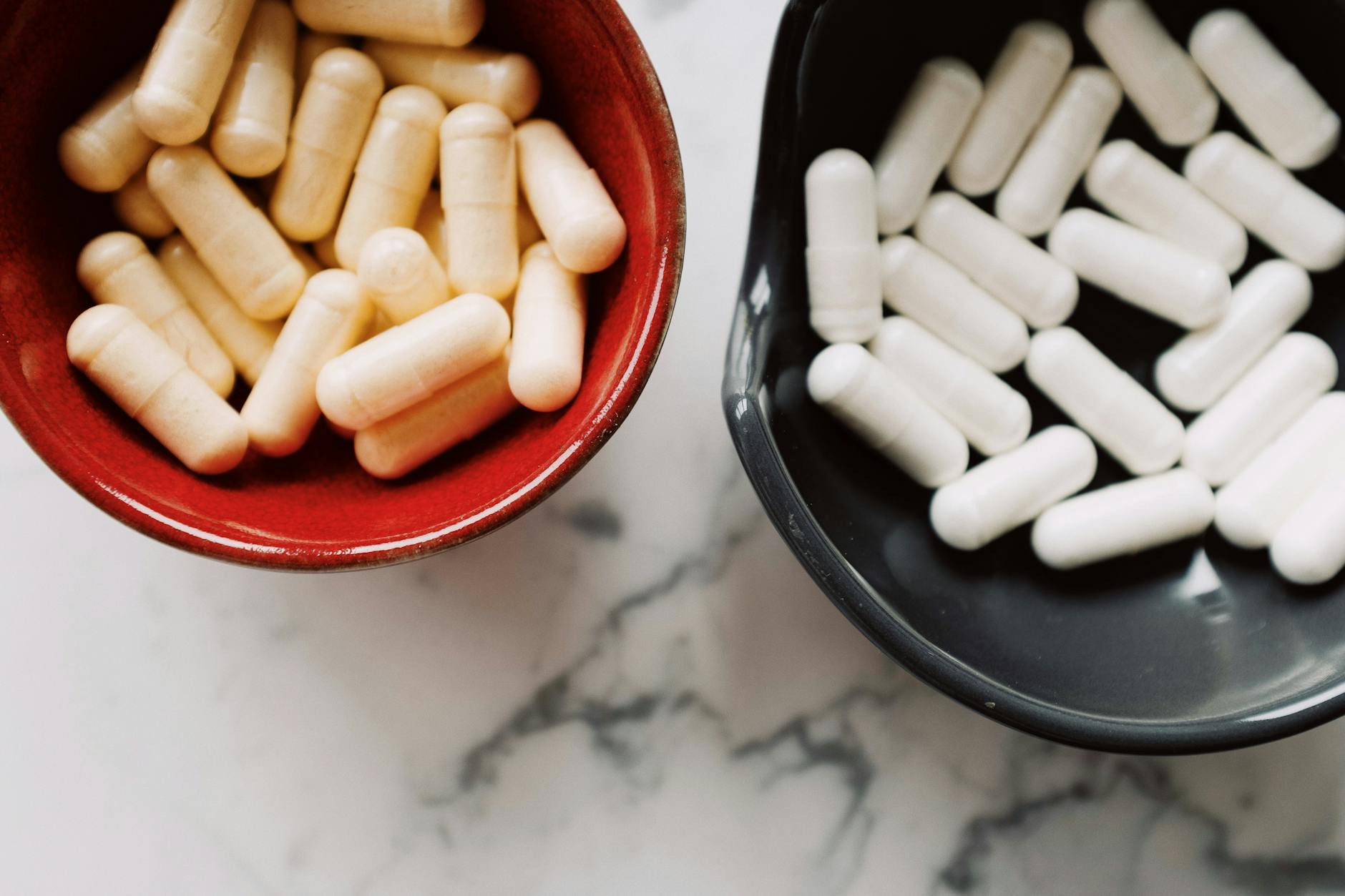
Browsing Amazon for a shortcut to ketosis? You’ll find countless keto pills promising effortless weight loss and boosted energy. The ketogenic diet, which involves drastically reducing carbohydrate intake to shift the body’s primary fuel source from glucose to fat-derived ketones, is effective, but do these pills offer a genuine boost? Let’s examine what’s really inside these bottles and whether they live up to the hype.
What Are Keto Pills?
Keto pills typically fall into a few categories. Exogenous ketone supplements aim to elevate blood ketone levels, often containing BHB (beta-hydroxybutyrate) salts. Other products might include ingredients like MCT oil, purported to increase ketone production, or herbal extracts marketed for weight loss. Some even contain a blend of electrolytes, intended to combat the so-called ‘keto flu’ avoiding keto flu symptoms.
The idea behind exogenous ketones is that by artificially raising ketone levels, you can trick your body into thinking it’s in ketosis, even if your diet isn’t strictly ketogenic. However, the evidence supporting this is mixed.
Do They Actually Work?
While some studies suggest that exogenous ketones can raise blood ketone levels, this doesn’t automatically translate to weight loss or other significant benefits. The effect on appetite is also debated. Some research indicates that ketones might suppress hunger [5. Sumithran P, Prendergast LA, Delbridge E, et al. (2013). “Ketosis and appetite-mediating nutrients and hormones after weight loss”. European Journal of Clinical Nutrition. DOI: 10.1038/ejcn.2013.90.], while others show no noticeable impact. It’s crucial to remember that simply taking a pill won’t override the need for dietary changes to achieve and maintain ketosis.
Potential Downsides
Keto pills aren’t without potential drawbacks. Some people report experiencing digestive issues like nausea, diarrhoea, or stomach upset after taking exogenous ketones. The long-term effects of consistently supplementing with ketones are also not well understood. Furthermore, the quality and purity of supplements sold online can vary widely, so it’s essential to choose reputable brands and be wary of outlandish claims.
What This Means in Practice
Instead of relying on keto pills, focus on building a sustainable ketogenic diet through whole foods. This means prioritising non-starchy vegetables, healthy fats, and moderate protein intake. You can find good quality MCT oil at Tesco for around £12 for 500 ml, which can be added to coffee or smoothies. Remember, a well-formulated ketogenic diet should provide all the necessary nutrients and support natural ketone production.
Alternatives to Keto Pills
If you’re struggling with specific aspects of the ketogenic diet, consider addressing them directly. For example, if you’re experiencing the keto flu, focus on increasing your electrolyte intake through sodium, potassium, and magnesium-rich foods or supplements. If you’re finding it difficult to track your macros, explore apps and resources that can simplify the process tracking macros on a ketogenic diet.
Frequently Asked Questions
Are keto pills a substitute for a ketogenic diet?
No. Keto pills might temporarily raise ketone levels, but they don’t replace the metabolic changes that occur with a properly implemented ketogenic diet. Dietary changes are still necessary for achieving ketosis and experiencing its potential benefits.
Can keto pills help with weight loss?
There’s limited evidence to support the claim that keto pills directly cause weight loss. Any potential weight loss is more likely due to the overall dietary changes and lifestyle modifications associated with adopting a ketogenic diet.
Are keto pills safe?
The safety of keto pills depends on the specific ingredients and the individual taking them. Some people may experience digestive issues. It’s always best to consult with a healthcare professional before starting any new supplement regimen.
Do I need to take keto pills on a ketogenic diet?
No, keto pills are not a necessary component of a ketogenic diet. A well-formulated ketogenic diet should provide all the nutrients you need to achieve and maintain ketosis naturally.
The Bottom Line
While keto pills might seem like a quick fix, they’re not a substitute for a well-planned and consistently followed ketogenic diet. Focus on whole foods, track your macros, and address any specific challenges you encounter along the way. Remember, sustainable lifestyle changes are more likely to yield long-term results than relying on supplements alone. If you’d rather not do the macro maths yourself, the Keto Dieting app does it for you on Google Play and the App Store.
References
- Sumithran P, Prendergast LA, Delbridge E, et al. (2013). Ketosis and appetite-mediating nutrients and hormones after weight loss. European Journal of Clinical Nutrition. https://doi.org/10.1038/ejcn.2013.90