

A 90-Day Keto Transformation: The Realistic Version
Three months on a ketogenic diet produces measurable changes in body composition, energy levels, and metabolic markers. The ketogenic diet shifts your metabolism from burning carbohydrate to burning fat, and this shift happens gradually—not overnight. What follows is what the evidence shows actually occurs across 12 weeks, without the marketing gloss.
Week 1 to 2: Water Loss and Adaptation
The first fortnight feels dramatic because it is, but not for the reason most people think. When you restrict carbohydrates, your body depletes its glycogen stores—the stored glucose in muscle and liver. Each gram of glycogen binds roughly 3 grams of water. Lose 300 grams of glycogen, lose 1.2 kilograms of water weight. This happens in days.
You’ll also urinate more frequently. This is normal. Your kidneys excrete sodium alongside the water, so thirst increases and electrolyte balance shifts. Many people report headaches, fatigue, or brain fog in this window—the “keto flu.” It passes. Drinking water and consuming adequate salt (not excessive, but not restricted) helps considerably.
Energy dips because your brain and muscles are learning to use fat for fuel instead of glucose. This metabolic switch is real and takes time. You’re not lazy; your body is reorganising how it produces energy. By day 10 or 12, most people report clarity returning.
Weight on the scale: 2–4 kilograms down. Almost entirely water and glycogen.
Week 3 to 6: Fat Loss Begins, Hunger Recedes
Once your glycogen is depleted and your liver is producing ketones consistently, fat loss accelerates. This is when the ketogenic diet’s appetite-suppressing effect becomes apparent. Research shows that ketosis reduces hunger hormones—particularly ghrelin—and increases satiety signals. You eat less because you’re genuinely less hungry, not because you’re white-knuckling through restriction.
According to a meta-analysis of randomised controlled trials, very-low-carbohydrate ketogenic diets produce significantly greater weight loss than low-fat diets over 12 months, with the difference most pronounced in the first three months. The mechanism isn’t mysterious: when carbohydrates are restricted, insulin levels drop, and your body becomes more efficient at mobilising stored fat for energy.
Many people report stable energy throughout the day. No 3 p.m. crash. No sugar cravings. Concentration improves. Mood often stabilises—though this varies widely depending on individual neurobiology and whether you’re consuming enough calories and micronutrients.
Weight on the scale: 4–7 kilograms down from start. A mixture of water, glycogen, and genuine fat loss.
Week 7 to 12: Metabolic Adaptation and Plateau Risk
By week seven, your body has fully adapted to ketosis. The novelty has worn off. Weight loss often slows or plateaus—not because the diet has stopped working, but because your calorie deficit has narrowed. As you lose weight, your daily energy expenditure decreases (a smaller body burns fewer calories at rest). If you were eating 2,000 calories at 100 kilograms, you’re now eating 2,000 calories at 93 kilograms. The deficit is smaller.
This is where many transformations stall. People expect linear progress and become discouraged. In reality, plateaus are normal and temporary. They typically resolve when calories are reassessed or activity increases.
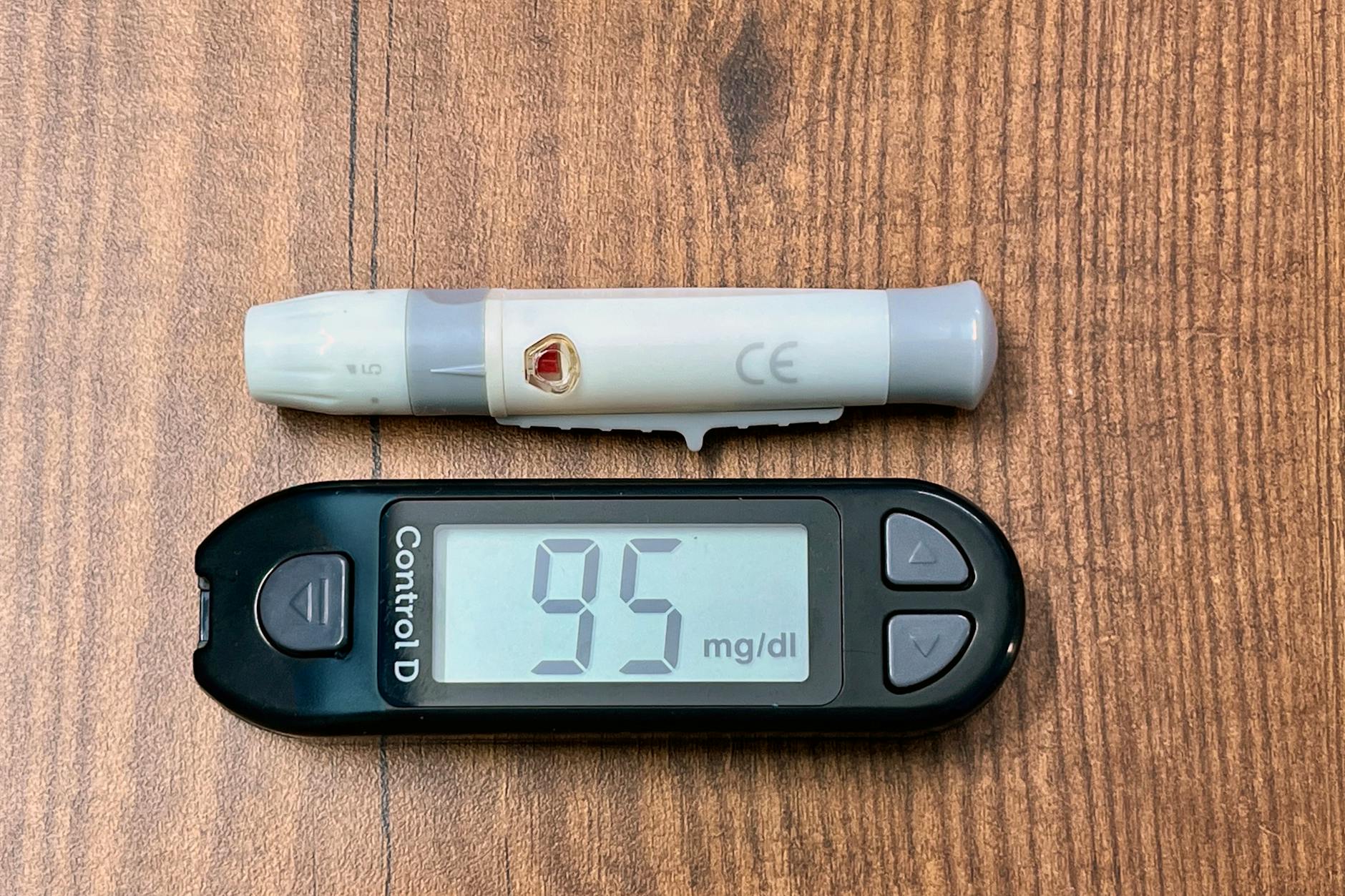
Measurable metabolic improvements emerge in this window. Research on carbohydrate restriction shows improvements in insulin sensitivity, triglyceride levels, and blood pressure independent of weight loss. If you’ve had blood work done, you may see shifts in your lipid panel and fasting glucose. These changes matter more than the scale.
Weight on the scale: 5–10 kilograms down from start, depending on starting point, adherence, and individual factors. Progress may be slow or invisible for 1–2 weeks, then shift again.
What This Means in Practice
A realistic 90-day transformation requires consistency, not perfection. Most people find success by focusing on whole foods: eggs, full-fat Greek yoghurt, cheese, fatty fish, beef, chicken thighs, olive oil, avocados, nuts, and non-starchy vegetables. At Tesco, a dozen free-range eggs cost around £2.50, double cream is £1.80 per 600 ml, and wild salmon fillets are roughly £8 per 200 g portion. These form the backbone of a sustainable keto diet.
Tracking macronutrients matters, especially in the first 12 weeks. Most people aim for 70–75% of calories from fat, 20–25% from protein, and 5–10% from carbohydrate (typically 20–50 grams of net carbs daily). This isn’t arbitrary; it’s the threshold at which ketosis reliably occurs.
the keto adaptation timeline varies by person. Some people enter ketosis within 24 hours; others take a week. Urine ketone strips are cheap (£3–5 for a pack of 50 at most pharmacies) and offer reassurance, though they’re not essential.
One practical challenge: eating enough fat and protein without exceeding calories. This is where common keto electrolyte mistakes become relevant. When you lose water and glycogen, you also lose sodium, potassium, and magnesium. Supplementing or eating foods rich in these minerals—spinach, almonds, pumpkin seeds, bone broth—prevents cramps and fatigue.
Metabolic and Health Markers at 90 Days
Beyond weight, several markers shift in three months. Fasting blood glucose typically drops 10–15%, and HbA1c (three-month average glucose) falls measurably in people with prediabetes or type 2 diabetes. Triglycerides—a cardiovascular risk factor—often decrease by 20–30%. LDL cholesterol can rise or fall depending on the individual; HDL (protective cholesterol) usually rises.
Insulin levels drop significantly. This is perhaps the most important change. Lower insulin means less fat storage, better appetite regulation, and reduced inflammation. Many people report clearer skin, steadier mood, and reduced joint pain—effects that don’t show on a scale but matter daily.
Energy and body composition also shift. Muscle is often preserved better on keto than on low-fat diets, particularly if protein intake is adequate (1.6–2.2 grams per kilogram of body weight). This means the weight lost is disproportionately fat, not muscle.
Realistic Expectations and Variation
Not everyone loses 10 kilograms in 90 days. Some lose 5. Some lose 15. Starting weight, age, sex, genetics, sleep quality, stress, and adherence all matter. Women often lose more slowly than men, particularly if they’re in their 40s or 50s—hormonal factors play a role.
People with insulin resistance or type 2 diabetes often see faster initial results because their baseline insulin is elevated; lowering it creates a larger metabolic shift. People who are already lean may see minimal weight loss but significant improvements in energy, body composition, or blood markers.
The most common reason a 90-day transformation stalls is hidden carbohydrate intake. Nuts, cheese, and low-carb products are easy to overeat. Alcohol, particularly beer and wine, adds carbs and calories. Stress eating and weekend “breaks” accumulate. Tracking—even loosely—for the first month reveals where calories are actually going.
Sustaining Change Beyond 90 Days
Three months is a checkpoint, not a finish line. The real question is whether the changes stick. Research on long-term adherence shows that people who view keto as a permanent shift in how they eat—not a temporary diet—maintain results better. This means finding keto foods you genuinely enjoy, not white-knuckling through foods you hate.
Social and family factors matter enormously. A partner who supports the change, or at least doesn’t sabotage it, makes a difference. In the UK, where carbohydrate-heavy meals (chips, bread, rice) are cultural defaults, navigating social eating requires planning. Asking restaurants for vegetables instead of potatoes, or bringing a keto-friendly dish to a gathering, prevents isolation.
If you’d rather not do the macro maths yourself, the Keto Dieting app does it for you on Google Play and the App Store.
Frequently Asked Questions
Q: Will I regain the weight after 90 days?
A: Not if you maintain the same eating pattern. Weight regain typically occurs when people return to their previous diet. If you transition to a less strict version of keto or a low-carb diet, weight often stabilises at a new baseline. Returning to high-carb eating usually brings weight back.
Q: Is keto safe for 90 days?
A: For most adults without kidney disease, uncontrolled diabetes, or other contraindications, yes. Consult a GP if you take medications for blood pressure or diabetes, as doses may need adjusting as your metabolism changes.
Q: Can I exercise on keto?
A: Yes. Endurance athletes often thrive on keto. Strength training works well too, though some people report slightly reduced performance in the first 2–3 weeks during adaptation. This resolves as your body becomes fat-adapted.
Q: How much weight should I expect to lose?
A: 5–10 kilograms is typical for someone starting at 90+ kilograms. Smaller individuals or those with less to lose may see 2–5 kilograms. Individual variation is large.
Q: What if I have a cheat day?
A: One meal or day of higher carbs won’t derail a 90-day transformation, but it will interrupt ketosis for 24–48 hours. Frequent cheating—more than once weekly—usually prevents the metabolic shift that makes keto effective. Most people find it easier to stay consistent than to restart repeatedly.
The Bottom Line
A 90-day keto transformation is real but unglamorous. You lose water first, then fat. Your hunger decreases, your energy stabilises, and your metabolic markers improve. Weight loss is often 5–10 kilograms, with the pace slowing after week six. The transformation isn’t just physical; many people report improved focus, mood, and freedom from food cravings. The key is consistency, adequate protein and electrolytes, and realistic expectations. If you’d rather not do the macro maths yourself, the Keto Dieting app does it for you on Google Play and the App Store.
References
- Bueno NB, de Melo IS, de Oliveira SL, da Rocha Ataide T (2013). Very-low-carbohydrate ketogenic diet v. low-fat diet for long-term weight loss: a meta-analysis of randomised controlled trials. British Journal of Nutrition. https://doi.org/10.1017/S0007114513000548
- Sumithran P, Prendergast LA, Delbridge E, et al. (2013). Ketosis and appetite-mediating nutrients and hormones after weight loss. European Journal of Clinical Nutrition. https://doi.org/10.1038/ejcn.2013.90
- Hyde PN, Sapper TN, Crabtree CD, et al. (2019). Dietary carbohydrate restriction improves metabolic syndrome independent of weight loss. JCI Insight. https://doi.org/10.1172/jci.insight.128308
- Westman EC, Yancy WS, Mavropoulos JC, Marquart M, McDuffie JR (2008). The effect of a low-carbohydrate, ketogenic diet versus a low-glycemic index diet on glycemic control in type 2 diabetes mellitus. Nutrition & Metabolism. https://doi.org/10.1186/1743-7075-5-36