
Reactive Hypoglycaemia After a Cheat Meal on Keto
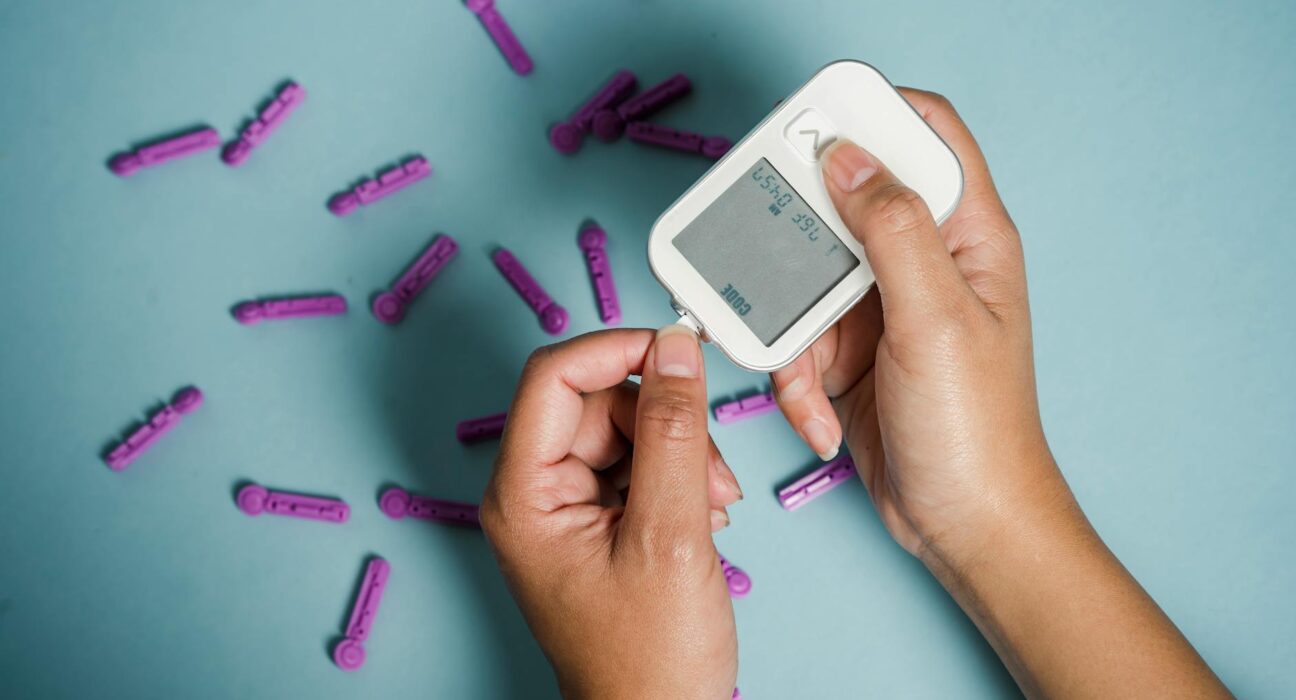
The ketogenic diet changes how your body processes fuel, shifting from glucose to fat metabolism. When you reintroduce carbohydrates abruptly—whether through a planned indulgence or an unplanned lapse—your system may respond with reactive hypoglycaemia. This blood sugar crash occurs when insulin overshoots the mark after processing a sudden glucose load.
Why Cheat Meals Trigger Hypoglycaemia
During prolonged ketosis, your muscles and liver reduce their capacity to store glycogen. Insulin sensitivity often improves, meaning your pancreas releases insulin more efficiently in response to carbohydrates. A 2013 study in the European Journal of Clinical Nutrition found that ketosis alters appetite-regulating hormones like ghrelin and leptin, which may exacerbate blood sugar swings (Sumithran et al., 2013).
After weeks or months of minimal carbohydrate intake, a large serving of pasta, rice, or sweets floods your bloodstream with glucose. Your pancreas responds by secreting a surge of insulin. But with diminished glycogen storage capacity and heightened insulin sensitivity, the excess insulin can drive blood glucose too low, typically 2-4 hours post-meal.
Recognising the Symptoms
Reactive hypoglycaemia manifests differently from the chronic low blood sugar seen in some metabolic disorders. Symptoms often include:
- Shakiness or tremors
- Sudden fatigue or brain fog
- Irritability or anxiety
- Sweating without physical exertion
- Heart palpitations
These signs usually resolve once glucose stabilises, but they can be alarming if unexpected. the keto adaptation timeline explains why these reactions tend to lessen over time as metabolic flexibility improves.
What This Means in Practice
If you choose to reintroduce carbohydrates—whether for a special occasion or personal preference—strategic planning can blunt the hypoglycaemic response. At Tesco, £1.20 buys a 400 g tin of black soybeans, a lower-carb legume that provides 2.5 g net carbs per 100 g serving. Pairing carb-heavy foods with fibre, protein, and fat slows glucose absorption.
Seasonal gatherings like Christmas or Eid often centre around high-carb dishes. A 2022 Diabetes UK report noted that South Asian communities in particular face higher risks of insulin resistance, making reactive hypoglycaemia more likely after traditional rice-based meals.
Long-Term Metabolic Impacts
A 2018 study in Diabetes Therapy followed people with type 2 diabetes who cycled in and out of nutritional ketosis. Those who maintained consistency saw better HbA1c control than those with frequent dietary deviations (Hallberg et al., 2018). While occasional lapses are normal, repeated cycles of ketosis and high-carb intake may strain metabolic regulation.
Frequently Asked Questions
How long does reactive hypoglycaemia last after a cheat meal?
Symptoms typically peak within 3 hours and resolve within 6 hours as your body clears excess insulin. Drinking water and engaging in light activity like walking can help accelerate recovery.
Can I prevent blood sugar crashes without avoiding carbs entirely?
Yes. Consuming vinegar-based dressings, cinnamon, or magnesium-rich foods like spinach before a carb-heavy meal may moderate the glucose spike. Portion control also helps—a single slice of cake affects you less than half the tray.
Are some people more prone to this than others?
Those with pre-existing insulin resistance or a family history of type 2 diabetes often experience more severe reactive hypoglycaemia. common keto electrolyte mistakes can worsen symptoms by affecting hydration status.
The Bottom Line
Reactive hypoglycaemia after a cheat meal stems from your body’s exaggerated insulin response following carbohydrate restriction. While uncomfortable, these episodes are generally temporary. Strategic meal composition and gradual carbohydrate reintroduction can soften the impact. If you’d rather not do the macro maths yourself, the Keto Dieting app does it for you on Google Play and the App Store.
References
- Sumithran P, Prendergast LA, Delbridge E, et al. (2013). Ketosis and appetite-mediating nutrients and hormones after weight loss. European Journal of Clinical Nutrition. https://doi.org/10.1038/ejcn.2013.90
- Hallberg SJ, McKenzie AL, Williams PT, et al. (2018). Effectiveness and Safety of a Novel Care Model for the Management of Type 2 Diabetes at 1 Year: An Open-Label, Non-Randomized, Controlled Study. Diabetes Therapy. https://doi.org/10.1007/s13300-018-0373-9