For decades, dietary fat has been wrongly accused of causing weight gain and heart disease. This idea, now largely debunked, led to the rise of low-fat diet recommendations. However, the ketogenic diet, rich in healthy fats, challenges conventional dietary wisdom. The truth is more nuanced: the type and quantity of fat, along with overall calorie intake and metabolic context, matter most.
The Problem With Low-Fat Dogma
The low-fat craze stemmed from the oversimplified idea that dietary fat directly translates to body fat. This ignores the complex processes of digestion, hormone regulation, and energy expenditure. When people cut out fat, they often replace it with refined carbohydrates and sugars, which can lead to insulin spikes, increased fat storage, and other metabolic problems. The ketogenic diet, by contrast, emphasises healthy fats while restricting carbohydrates, shifting the body’s primary fuel source to fat.
How Fat Actually Works in the Body
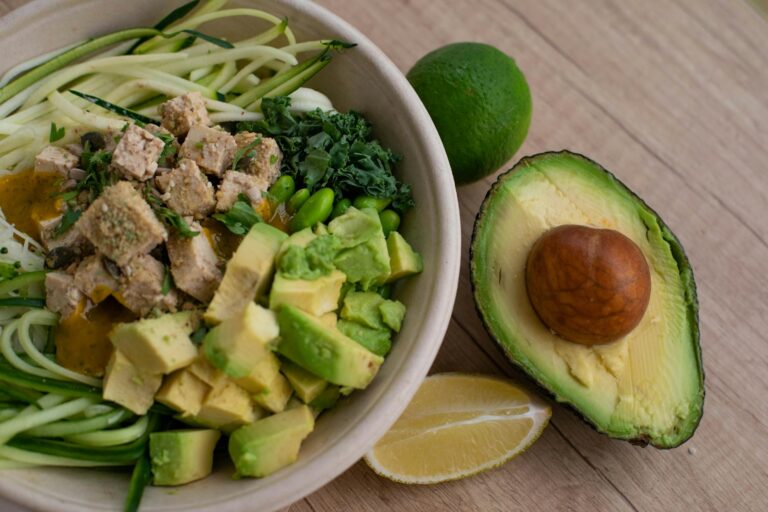
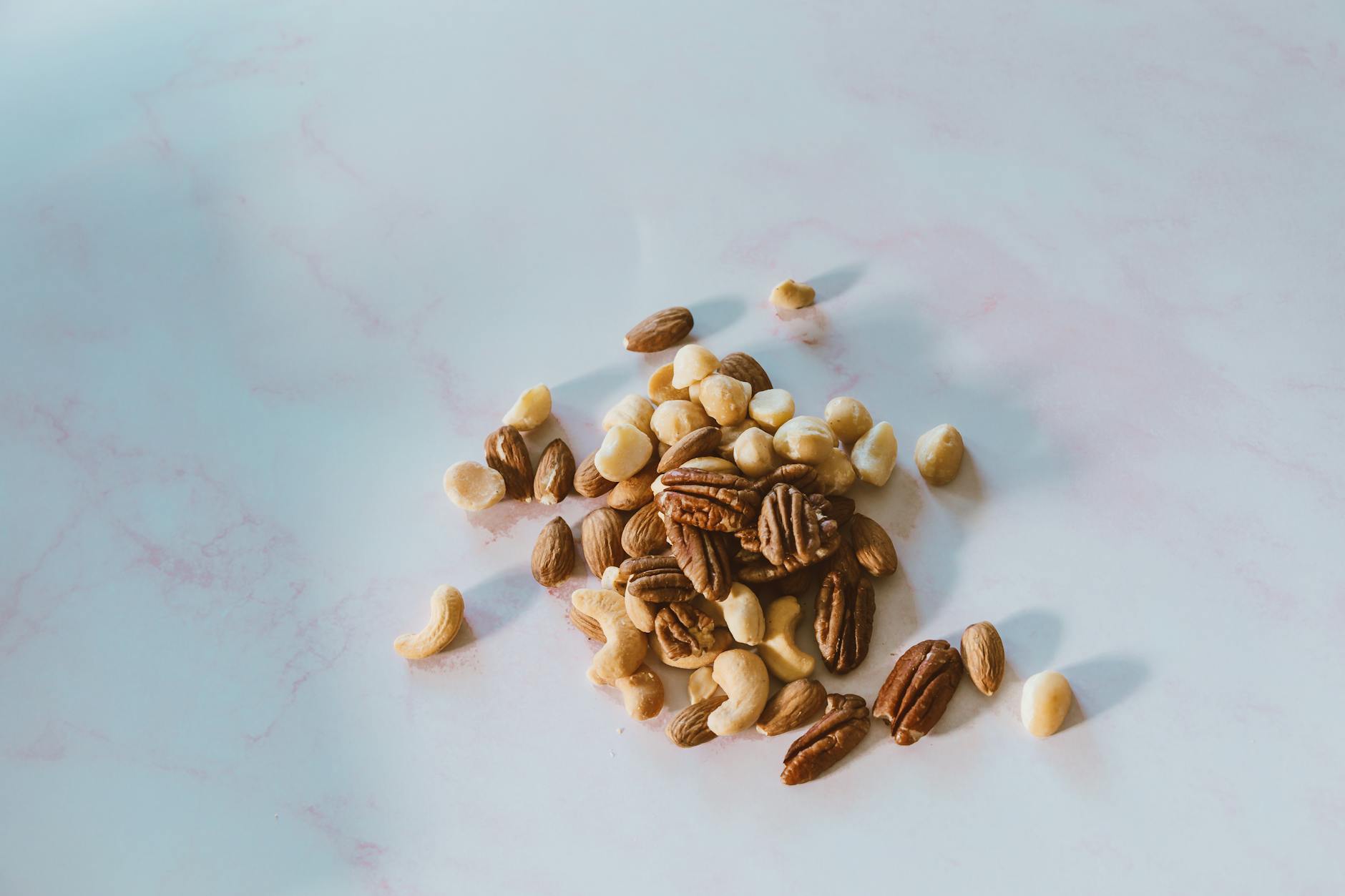
Dietary fat plays several crucial roles. It provides essential fatty acids, supports hormone production, aids in the absorption of fat-soluble vitamins (A, D, E, and K), and contributes to feelings of fullness. Different types of fat have varying effects. Unsaturated fats, found in avocados, olive oil, and nuts, are generally considered beneficial. Saturated fats, while once demonised, are now recognised as part of a healthy diet when consumed in moderation. Trans fats, however, should be avoided due to their negative impact on heart health.
Keto and Fat Adaptation
On a ketogenic diet, the body enters a metabolic state called ketosis, where it burns fat for fuel instead of glucose. This process can lead to weight loss, improved blood sugar control, and increased energy levels. Studies show that ketogenic diets can be more effective than low-fat diets for weight management. A meta-analysis in the British Journal of Nutrition found that very-low-carbohydrate ketogenic diets led to greater long-term weight loss compared to low-fat diets [1].
What This Means in Practice
Embracing healthy fats is key to a successful ketogenic diet. Instead of reaching for a low-fat yoghurt at £1.50 from Tesco, opt for full-fat Greek yoghurt topped with berries and nuts. Cook with olive oil or coconut oil instead of vegetable oils. Include avocados, fatty fish, and seeds in your meals. Remember, quality and quantity are important. While fat is essential, it’s still possible to overeat, so pay attention to your overall calorie intake and listen to your body’s hunger cues. Don’t be afraid of adding butter to your vegetables, or cream to your coffee. Fat is your friend on keto.
Consider the seasonal availability of foods, too. In the autumn, enjoy roasted vegetables with olive oil and a sprinkle of nuts. In the summer, opt for salads with avocado and a creamy dressing. Keto-friendly meal planning can help you incorporate healthy fats into your diet year-round.
Frequently Asked Questions
Will eating more fat make me gain weight?
Not necessarily. Weight gain depends on overall calorie intake and metabolic factors. If you consume more calories than you burn, regardless of the source, you’ll gain weight. On a ketogenic diet, fat helps you feel full and satisfied, which can naturally reduce your calorie intake.
What types of fat should I focus on?
Prioritise unsaturated fats from sources like avocados, olive oil, nuts, and seeds. Include moderate amounts of saturated fats from sources like meat, dairy, and coconut oil. Avoid trans fats found in processed foods.
How much fat should I eat on keto?
Fat intake on a ketogenic diet typically ranges from 70-80% of your daily calories. This can vary depending on your individual needs and goals. It’s important to listen to your body and adjust your intake accordingly.
Is saturated fat bad for my heart?
The link between saturated fat and heart disease is more complex than previously thought. Current research suggests that saturated fat, when consumed in moderation as part of a balanced diet, does not significantly increase the risk of heart disease.
The Bottom Line
The myth that fat makes you fat is outdated and inaccurate. Healthy fats are essential for overall health and play a crucial role in the ketogenic diet. By focusing on quality fats and managing your overall calorie intake, you can enjoy the benefits of keto without fear of weight gain. Remember to listen to your body, adjust your intake as needed, and enjoy the delicious world of healthy fats. If you’d rather not do the macro maths yourself, the automatic macro calculator does it for you on Google Play and the App Store.
References
- Bueno NB, de Melo IS, de Oliveira SL, da Rocha Ataide T (2013). Very-low-carbohydrate ketogenic diet v. low-fat diet for long-term weight loss: a meta-analysis of randomised controlled trials. British Journal of Nutrition. https://doi.org/10.1017/S0007114513000548
- Kosinski C, Jornayvaz FR (2017). Effects of Ketogenic Diets on Cardiovascular Risk Factors: Evidence from Animal and Human Studies. Nutrients. https://doi.org/10.3390/nu9050517