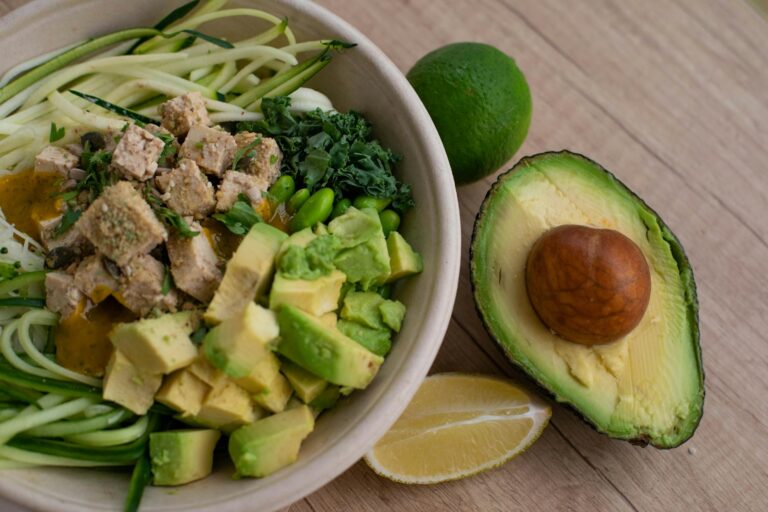
The idea that all calories are created equal is a persistent oversimplification. While the ketogenic diet relies on calorie deficit for weight loss, the source of those calories profoundly impacts your metabolism, hunger, and overall health. Different foods trigger different hormonal and metabolic responses, influencing how your body processes energy how the keto diet affects hunger.
Why Calorie Source Matters
The body doesn’t treat all calories the same way. 100 calories from sugar will affect your body differently than 100 calories from broccoli or steak. This is due to several factors:
- Macronutrient composition: Carbohydrates, fats, and proteins have different metabolic pathways. Carbohydrates, especially refined ones, can cause rapid spikes in blood sugar and insulin, potentially leading to increased fat storage. Protein, on the other hand, has a higher thermic effect, meaning your body burns more calories digesting it.
- Hormonal response: Different foods stimulate different hormonal responses. For example, fructose, a type of sugar, is primarily metabolised in the liver and can contribute to fatty liver disease if consumed in excess the connection between keto and fatty liver.
- Satiety: Some foods are more satiating than others. Protein and fibre-rich foods tend to keep you feeling fuller for longer, making it easier to maintain a calorie deficit. Refined carbohydrates, on the other hand, can be quickly digested, leading to hunger and overeating.
What This Means in Practice
Focusing solely on calorie counting without considering the source of those calories can be counterproductive. For example, a 200-calorie bag of crisps from Tesco will not have the same effect on your body as 200 calories from salmon and avocado. The crisps are likely to be high in refined carbohydrates and unhealthy fats, leading to blood sugar spikes and increased hunger. The salmon and avocado, on the other hand, are rich in protein and healthy fats, promoting satiety and supporting overall health. You might pay £3.50 for the crisps, but you’ll pay far more in terms of your health.
Calories and the Ketogenic Diet
On a ketogenic diet, the focus is on consuming a high proportion of calories from fat, a moderate amount from protein, and very few from carbohydrates. This macronutrient distribution shifts the body into a state of ketosis, where it burns fat for fuel instead of glucose. Ketosis can have several benefits, including weight loss, improved blood sugar control, and reduced appetite. However, even within a ketogenic framework, the type of fats and proteins you consume matters. Prioritise whole, unprocessed foods over processed keto snacks for optimal health.
Frequently Asked Questions
Does this mean I can ignore calories completely on keto?
No. While the ketogenic diet can help regulate appetite and improve metabolic health, a calorie deficit is still necessary for weight loss. However, focusing on nutrient-dense, whole foods can make it easier to achieve and maintain that deficit.
Are all processed foods bad, even on keto?
Not necessarily. Some processed foods can be part of a healthy keto diet in moderation. However, it’s important to read labels carefully and choose options that are low in carbohydrates, high in healthy fats, and free from artificial sweeteners and additives.
How do I know if I’m eating the right types of calories?
Focus on consuming a variety of whole, unprocessed foods, including lean proteins, healthy fats, and non-starchy vegetables. Pay attention to how different foods make you feel and adjust your diet accordingly.
The Bottom Line
The myth that a calorie is just a calorie is debunked by science. The source of your calories significantly impacts your metabolism, hormones, and satiety. On a ketogenic diet, prioritising whole, nutrient-dense foods over processed options is crucial for achieving optimal health and weight loss results. If you’d rather not do the macro maths yourself, the Keto Dieting app does it for you on Google Play and the App Store.
References
- Sumithran P, Prendergast LA, Delbridge E, et al. (2013). Ketosis and appetite-mediating nutrients and hormones after weight loss. European Journal of Clinical Nutrition. https://doi.org/10.1038/ejcn.2013.90
- Mardinoglu A, Wu H, Bjornson E, et al. (2018). An Integrated Understanding of the Rapid Metabolic Benefits of a Carbohydrate-Restricted Diet on Hepatic Steatosis in Humans. Cell Metabolism. https://doi.org/10.1016/j.cmet.2018.01.005