The ketogenic diet is often blamed for hair loss, but the evidence suggests this concern is misplaced. Temporary shedding during rapid weight loss can occur on any diet, not just keto. The root cause is typically nutrient deficiency or stress on hair follicles, not ketosis itself.
Why hair loss happens during weight loss
Telogen effluvium, a temporary hair shedding condition, is triggered by physical stress like significant calorie restriction or rapid weight loss. A 2013 study in the British Journal of Nutrition found very-low-carbohydrate diets led to greater initial weight loss than low-fat diets, which could explain why some notice more shedding on keto early on (Bueno et al., 2013). The hair cycle naturally sheds more strands when the body perceives stress, whether from dietary change, illness, or hormonal shifts.
Key nutrients for hair health
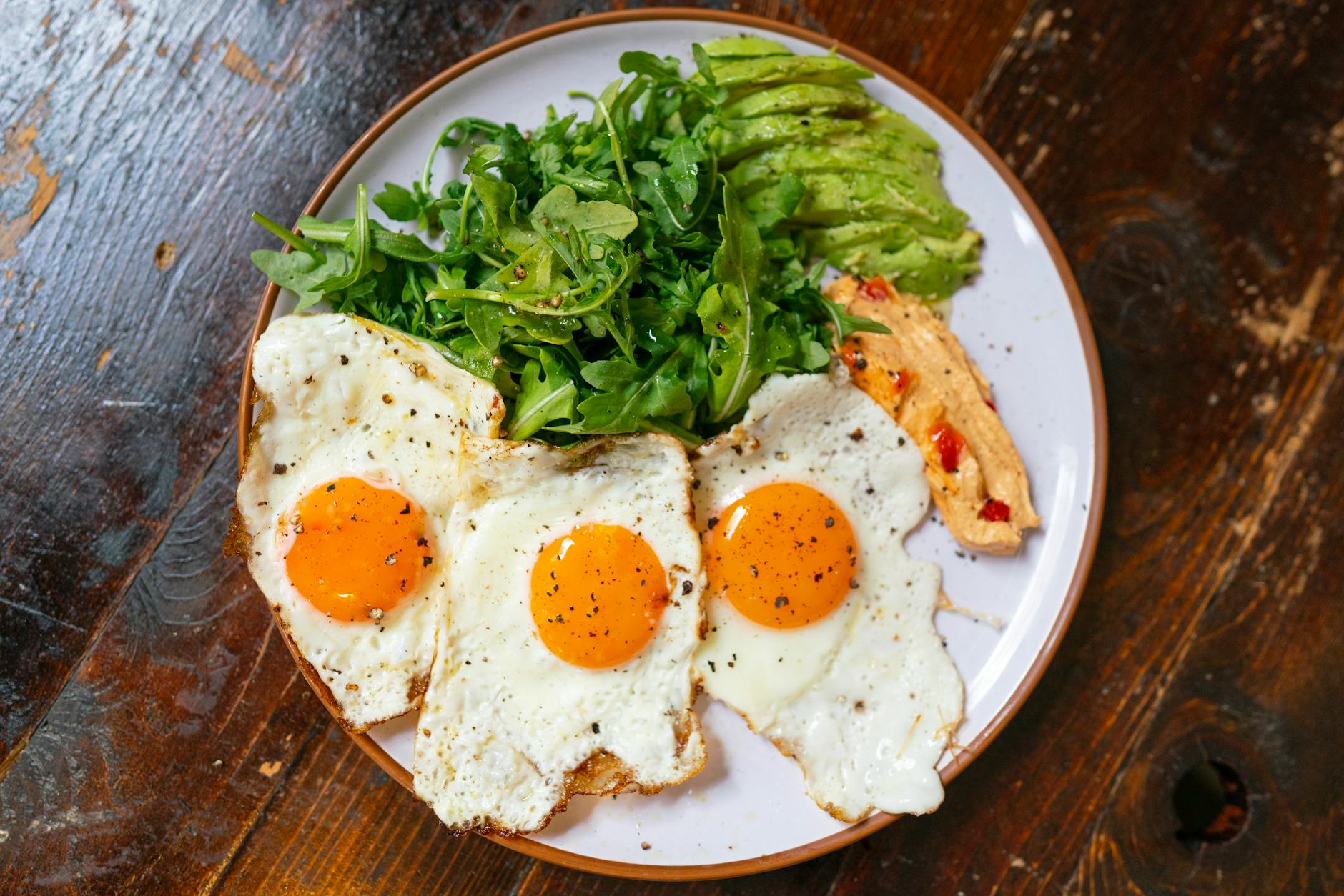
Protein, iron, zinc, and biotin are essential for hair growth. A poorly planned ketogenic diet that lacks variety might fall short in these nutrients. At Tesco, a 200 g pack of beef liver costs £1.20 and provides over 100% of your daily iron and zinc needs. keto meal planning that includes organ meats, eggs, and leafy greens prevents deficiencies.
What this means in practice
British winters with limited sunlight can exacerbate vitamin D deficiency, another factor in hair health. A 500 ml bottle of cod liver oil at Boots costs £6.50 and covers your weekly vitamin D and omega-3 needs. The NHS recommends 10 mcg of vitamin D daily from October to March. Tracking micronutrients matters more than blaming ketosis.
How to minimise shedding
Gradual weight loss of 0.5-1 kg per week reduces stress on hair follicles. Ensure 1.2-1.7 g of protein per kg of body weight daily from varied sources like salmon (£3 for 200 g at Sainsbury’s), eggs, and tofu. electrolytes in keto like magnesium also support hair structure.
Frequently asked questions
Does keto cause permanent hair loss?
No evidence suggests ketogenic diets cause permanent hair loss. Shedding typically resolves within 6 months as the body adapts and nutrient intake stabilises.
Which supplements help with keto hair loss?
A basic multivitamin with iron, zinc, and biotin may help if dietary intake is insufficient. Always prioritise whole foods first.
How much protein prevents hair loss on keto?
Aim for at least 15-25% of calories from protein. For a 70 kg person, this means 84-119 g daily from meat, fish, or plant sources.
The bottom line
Hair loss on keto is usually temporary and stems from rapid weight loss or nutrient gaps, not ketosis itself. Focus on adequate protein, iron-rich foods, and gradual progress. If you’d rather not do the macro maths yourself, the Keto Dieting app does it for you on Google Play and the App Store.
References
- Bueno NB, de Melo IS, de Oliveira SL, da Rocha Ataide T (2013). Very-low-carbohydrate ketogenic diet v. low-fat diet for long-term weight loss: a meta-analysis of randomised controlled trials. British Journal of Nutrition. https://doi.org/10.1017/S0007114513000548
- Paoli A, Rubini A, Volek JS, Grimaldi KA (2013). Beyond weight loss: a review of the therapeutic uses of very-low-carbohydrate (ketogenic) diets. European Journal of Clinical Nutrition. https://doi.org/10.1038/ejcn.2013.116