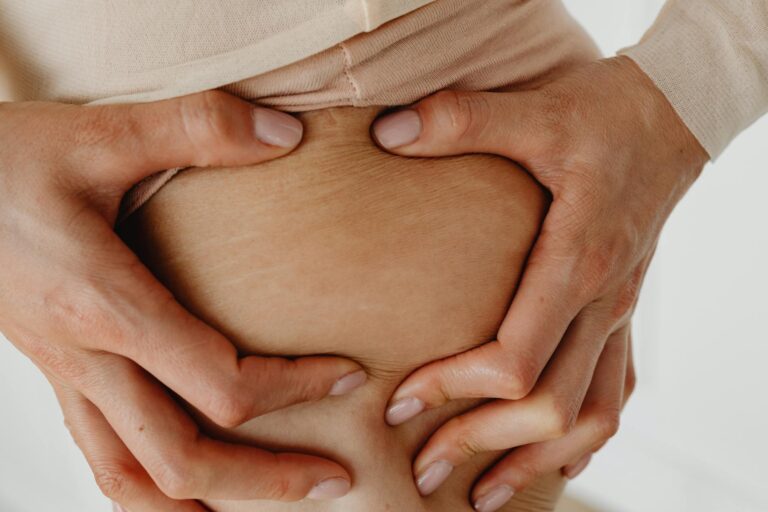
When starting a ketogenic diet for weight loss, the scales aren’t the only way to track progress. The ketogenic diet, which involves drastically reducing carbohydrate intake and increasing fat consumption, can lead to significant changes in body composition tracking keto macro ratios. While the numbers on the scale provide one data point, progress photos, body measurements, and the mirror test offer valuable insights into how your body is changing.
Why Scales Lie
The number on the scale can be misleading. Weight fluctuates due to water retention, hormonal changes, and even the timing of your last meal. Muscle weighs more than fat, so as you lose fat and potentially gain muscle, the scale might not reflect the positive changes happening in your body. Relying solely on the scale can be discouraging, especially during the initial stages of a ketogenic diet when water weight loss is common.
Progress Photos: A Visual Record
Taking regular progress photos provides a visual record of your body’s transformation. Choose a well-lit area and wear the same clothes in each photo to ensure consistency. Take photos from the front, side, and back. Over time, you’ll be able to see changes in your body shape, muscle definition, and overall appearance. These visual cues can be incredibly motivating, especially when the scale isn’t budging.
Body Measurements: Quantifying Change
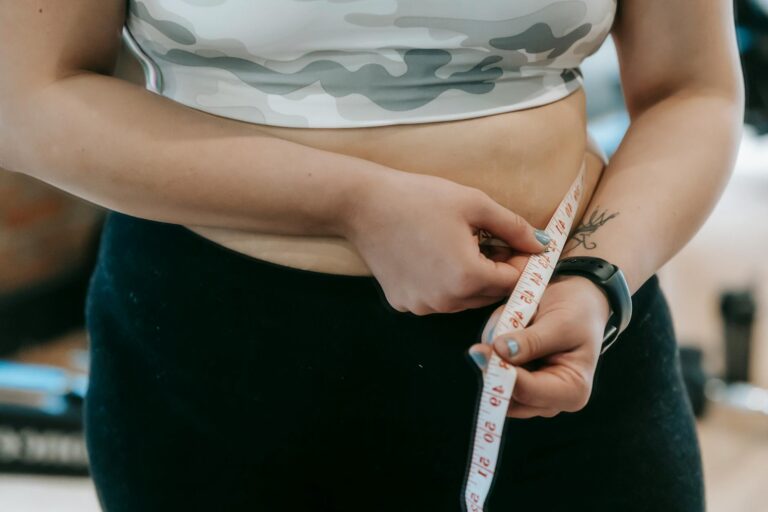
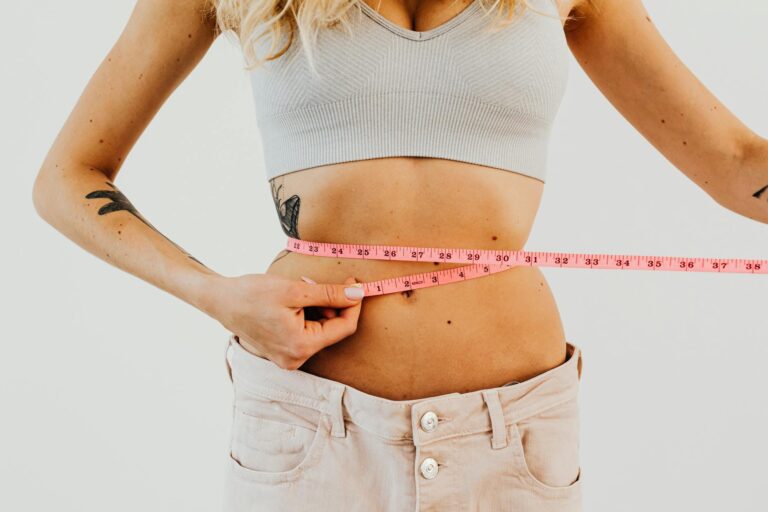
Body measurements offer another way to quantify your progress. Use a flexible measuring tape to measure around your chest, waist, hips, thighs, and upper arms. Record these measurements at regular intervals, such as weekly or bi-weekly. Even if the scale isn’t moving, you may notice that your measurements are decreasing, indicating fat loss. This is particularly helpful for tracking changes in areas where you tend to store fat.
The Mirror Test: Subjective but Important
The mirror test involves simply looking at yourself in the mirror and assessing how you feel about your appearance. While subjective, this can be a powerful tool for boosting self-esteem and body image. Pay attention to how your clothes fit, how you carry yourself, and how you feel overall. As you lose weight and improve your body composition, you may notice that you feel more confident and comfortable in your own skin.
What this means in practice
Imagine you’ve been on keto for a month. The scales show only a 1 kg drop, but your jeans feel looser. Progress photos reveal a more defined waistline, and measurements confirm you’ve lost 5 cm around your hips. You feel more energetic and confident. This holistic view of progress is far more encouraging than focusing solely on the scale. You can pick up a reliable measuring tape at Tesco for around £4. keto for women over 50
Frequently asked questions
How often should I take progress photos?
Aim to take progress photos every two to four weeks. This allows enough time for noticeable changes to occur without becoming obsessive.
What’s the best time of day to take body measurements?
Take measurements at the same time of day each time, preferably in the morning before eating or drinking anything. This will help ensure consistency.
What if I don’t see any changes in the mirror?
Be patient and focus on other indicators of progress, such as increased energy levels, improved mood, and better sleep. Changes take time, and it’s important to be kind to yourself.
Should I only rely on these methods and ditch the scale?
It’s best to use a combination of methods. The scale provides valuable data, but it shouldn’t be the only measure of success.
The bottom line
While the scales offer one perspective, progress photos, body measurements, and the mirror test provide a more comprehensive view of your ketogenic journey. These tools can help you stay motivated, track your progress, and appreciate the positive changes happening in your body. Remember that weight loss is just one aspect of overall health and well-being. If you’d rather not do the macro maths yourself, the automatic carb tracker does it for you on Google Play and the App Store.
References
- Bueno NB, de Melo IS, de Oliveira SL, da Rocha Ataide T (2013). Very-low-carbohydrate ketogenic diet v. low-fat diet for long-term weight loss: a meta-analysis of randomised controlled trials. British Journal of Nutrition. https://doi.org/10.1017/S0007114513000548