Starting a new diet can feel overwhelming, and the ketogenic diet is no exception. This article answers some frequently asked questions from keto beginners to help you navigate the initial stages with confidence. The ketogenic diet is a high-fat, very low carbohydrate eating plan that shifts the body’s primary fuel source from glucose to ketones.
What can I eat on a ketogenic diet?
The foundation of a ketogenic diet consists of foods high in fat, moderate in protein, and very low in carbohydrates. This typically includes meats, poultry, fish, eggs, cheese, avocados, oils, nuts, and non-starchy vegetables. Avoid grains, starchy vegetables, fruits, and sugary foods. Reading labels is essential to track your carbohydrate intake. a complete keto shopping list can help you get started.
How many carbs can I eat on keto?
Most people following a ketogenic diet aim to consume fewer than 50 grams of total carbohydrates per day, although some go as low as 20 grams. It’s more useful to track net carbs, which are total carbohydrates minus fibre. Fibre is a carbohydrate, but the body cannot digest it, so it doesn’t raise blood sugar. Pay attention to serving sizes to accurately calculate your carbohydrate intake.
What is ‘keto flu’ and how do I avoid it?
The ‘keto flu’ refers to a collection of temporary side effects that some people experience when first starting a ketogenic diet. Symptoms can include fatigue, headache, nausea, and irritability. This is often due to electrolyte imbalances as the body adjusts to burning fat for fuel. Staying hydrated and supplementing with electrolytes like sodium, potassium, and magnesium can help minimise these symptoms. the role of electrolytes on keto dives deeper into this topic.
How long does it take to get into ketosis?
It typically takes between two to seven days to enter ketosis, depending on individual factors such as activity level, metabolism, and carbohydrate intake. You can measure ketone levels using urine strips, blood ketone meters, or breath analysers. However, these aren’t strictly necessary. A good sign that you’re in ketosis is reduced appetite and increased energy levels.
What this means in practice
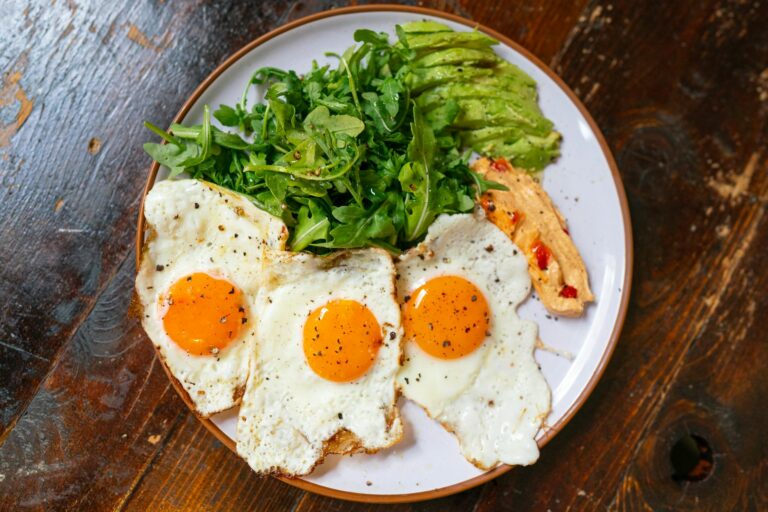
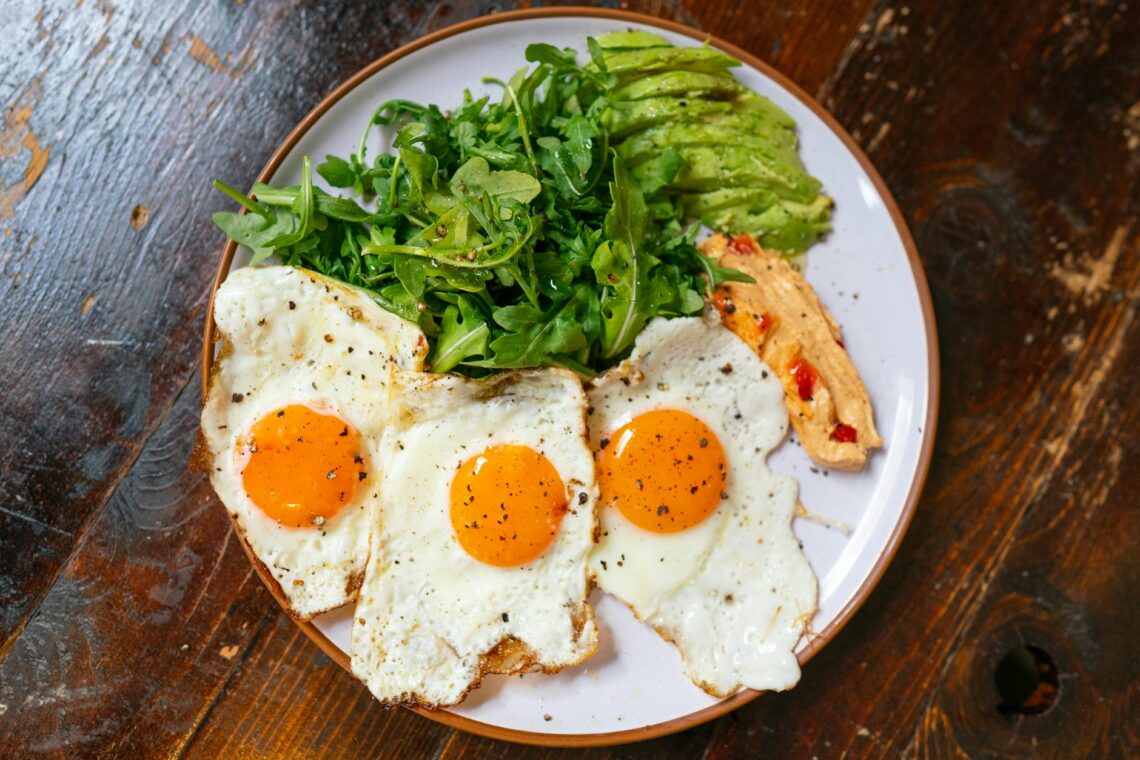
Starting keto can feel daunting, but it doesn’t have to be expensive or complicated. A simple keto meal could be scrambled eggs with cheese and avocado for breakfast, a chicken salad with mayonnaise for lunch, and a steak with broccoli for dinner. You can find affordable keto-friendly ingredients at most UK supermarkets. For example, a block of cheddar cheese costs around £2.50 at Tesco, and a head of broccoli is about £1. Don’t be afraid to experiment with different recipes and find what works best for you.
Frequently asked questions
Can I eat fruit on keto?
Most fruits are relatively high in carbohydrates and should be limited or avoided on a ketogenic diet. However, small portions of berries like strawberries, blueberries, and raspberries are lower in carbohydrates and can be enjoyed occasionally.
Is keto safe for everyone?
The ketogenic diet is generally safe for most people. However, it may not be suitable for individuals with certain medical conditions, such as kidney disease or pancreatitis. It’s always best to consult with a healthcare professional before starting any new diet, especially if you have underlying health concerns.
Will I lose weight on keto?
The ketogenic diet can be an effective tool for weight loss. By restricting carbohydrate intake, the body is forced to burn fat for fuel, which can lead to weight reduction. Bueno et al (2013) found that very-low-carbohydrate ketogenic diets are effective for long-term weight loss.
Can I drink alcohol on keto?
Some alcoholic beverages are lower in carbohydrates than others. Hard liquors like vodka, gin, and rum are generally keto-friendly when mixed with zero-carbohydrate mixers. Avoid beer, wine, and sugary cocktails, as these are typically high in carbohydrates.
The bottom line
The ketogenic diet can be a powerful tool for weight management and metabolic health, but it requires careful planning and attention to detail. By understanding the basics and addressing common concerns, you can navigate the initial stages with greater confidence. Remember to focus on whole, unprocessed foods, stay hydrated, and listen to your body. If you’d rather not do the macro maths yourself, the automatic macro calculator in the Keto Dieting app does it for you on Google Play and the App Store.
References
- Bueno NB, de Melo IS, de Oliveira SL, da Rocha Ataide T (2013). Very-low-carbohydrate ketogenic diet v. low-fat diet for long-term weight loss: a meta-analysis of randomised controlled trials. British Journal of Nutrition. https://doi.org/10.1017/S0007114513000548