The ketogenic diet involves drastically reducing carbohydrate intake and replacing it with fat. This reduction in carbs puts your body into a metabolic state called ketosis. Here’s what a day on a ketogenic diet might look like in the UK, keeping in mind that individual needs vary based on activity level, metabolism, and personal preferences. Remember to consult with a healthcare professional before making significant dietary changes.
A Sample Keto Meal Plan
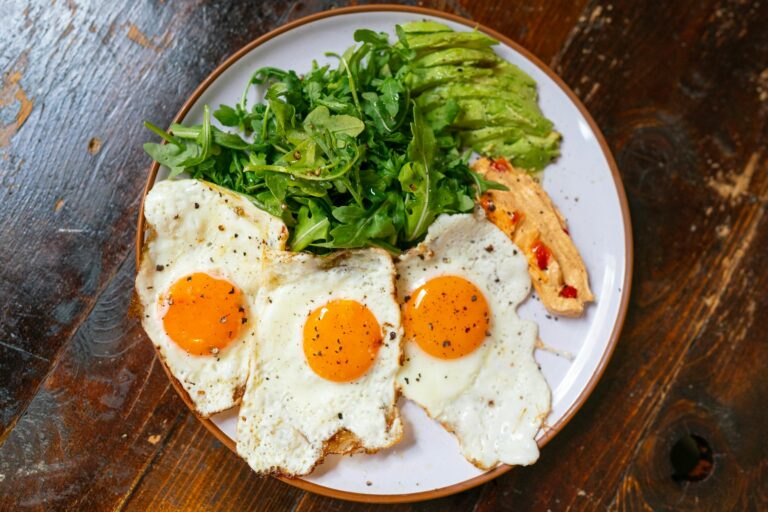
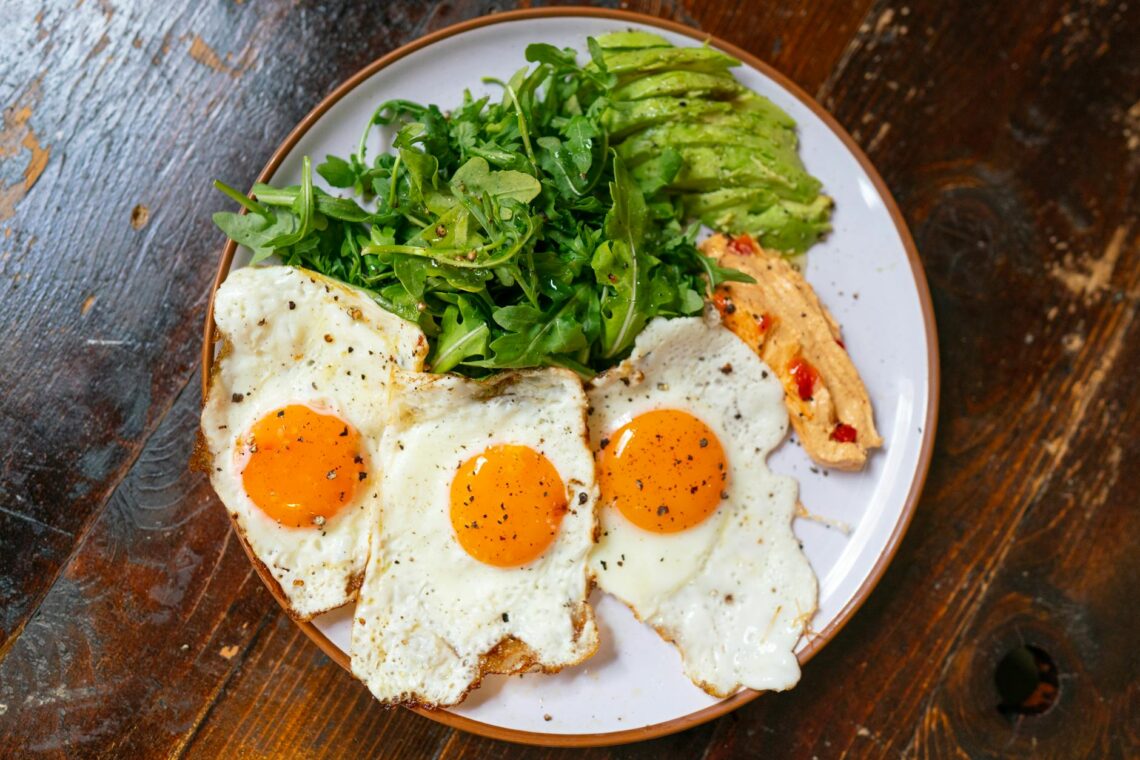
Breakfast (7:00 AM – 8:00 AM): Scrambled eggs with cheese and bacon. Eggs are a keto staple, providing protein and healthy fats. Add a side of avocado for extra fat and fibre. You could also opt for a keto-friendly smoothie made with unsweetened almond milk, protein powder, spinach, and berries.
Lunch (12:00 PM – 1:00 PM): A large salad with grilled chicken or salmon, avocado, and a full-fat dressing. Focus on non-starchy vegetables like lettuce, spinach, cucumber, and bell peppers. Alternatively, enjoy leftover dinner from the night before. keto and intermittent fasting can be a powerful combination, so some people skip breakfast.
Dinner (6:00 PM – 7:00 PM): Salmon baked with asparagus and a side of cauliflower mash. Salmon is rich in omega-3 fatty acids, and asparagus is a low-carb vegetable packed with nutrients. Cauliflower mash makes a great substitute for mashed potatoes. Another option is a hearty beef stew made with bone broth and root vegetables, but be mindful of the carbohydrate content of root vegetables.
Snacks (Optional): If you need a snack between meals, consider a handful of macadamia nuts, a few squares of dark chocolate (85% cocoa or higher), or some cheese. Remember that snacking should be driven by hunger, not habit.
What This Means in Practice
Following a ketogenic diet in the UK is easier than ever, thanks to the availability of keto-friendly products in most supermarkets. For example, you can find avocados for around £1.20 each at Tesco, and full-fat Greek yogurt is widely available. When eating out, opt for meat or fish dishes with plenty of vegetables, and ask for sauces on the side. Be mindful of hidden sugars in processed foods and condiments. The NHS provides guidance on healthy eating, but always check with your doctor before starting a new diet.
Staying Hydrated and Electrolyte Balance
It’s crucial to stay hydrated on a ketogenic diet, as your body excretes more water when in ketosis. Drink plenty of water throughout the day. You may also need to supplement with electrolytes like sodium, potassium, and magnesium, as these can be depleted when carbohydrate intake is low. Add a pinch of sea salt to your water or consume bone broth to replenish sodium. keto flu symptoms are often related to electrolyte imbalances.
Frequently Asked Questions
What if I’m invited to a dinner party?
Plan ahead by offering to bring a keto-friendly dish to share. Focus on protein and non-starchy vegetables, and be mindful of sauces and dressings. Don’t be afraid to ask your host about the menu in advance.
Can I drink alcohol on keto?
Some alcoholic beverages are lower in carbohydrates than others. Dry wines and spirits like vodka, gin, and rum (when mixed with zero-carb mixers) are generally considered keto-friendly. However, alcohol can slow down ketosis, so consume it in moderation.
How do I track my macros?
Tracking your macronutrient intake (fat, protein, and carbohydrates) is essential for success on a ketogenic diet. Use a food tracking app or website to monitor your daily intake. Aim for a ratio of roughly 70-80% fat, 20-25% protein, and 5-10% carbohydrates.
What if I accidentally eat too many carbs?
Don’t panic! One high-carb meal won’t completely derail your progress. Get back on track with your next meal and focus on staying consistent with your keto diet in the long term.
The Bottom Line
A realistic keto day in the UK involves focusing on whole, unprocessed foods that are high in fat and low in carbohydrates. Planning your meals in advance, staying hydrated, and monitoring your electrolyte intake are all essential for success. Remember to listen to your body and adjust your diet as needed. If you’d rather not do the macro maths yourself, the Keto Dieting app does it for you on Google Play and the App Store.
References
- Bueno NB, de Melo IS, de Oliveira SL, da Rocha Ataide T (2013). Very-low-carbohydrate ketogenic diet v. low-fat diet for long-term weight loss: a meta-analysis of randomised controlled trials. British Journal of Nutrition. https://doi.org/10.1017/S0007114513000548
- Sumithran P, Prendergast LA, Delbridge E, et al. (2013). Ketosis and appetite-mediating nutrients and hormones after weight loss. European Journal of Clinical Nutrition. https://doi.org/10.1038/ejcn.2013.90