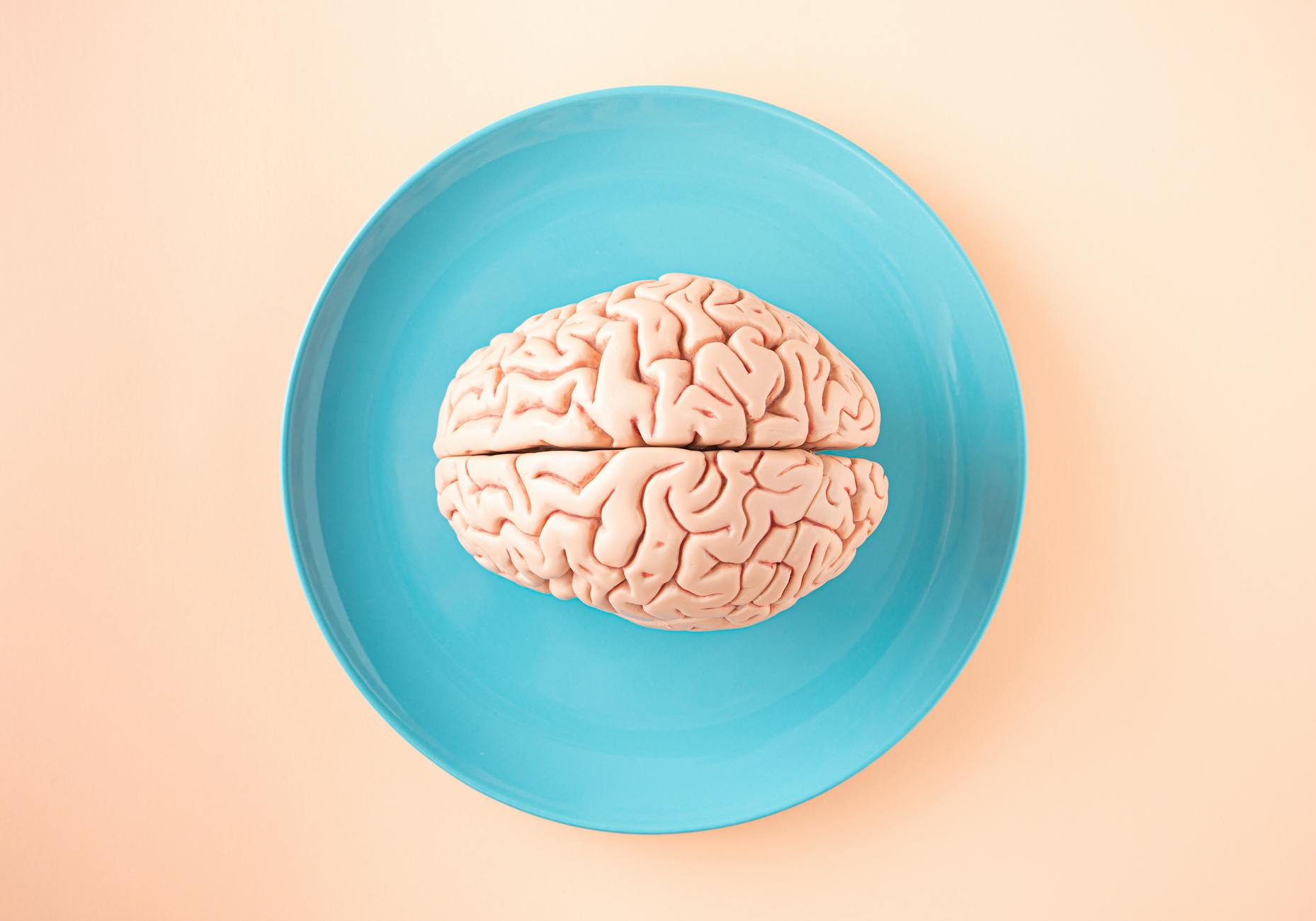
The Myth That Your Brain Needs Glucose
The human brain is often described as a glucose-dependent organ, but this overlooks its metabolic flexibility. On a ketogenic diet, the liver produces ketones from fat, which become the brain’s primary fuel source after adaptation. Research shows cognitive function remains stable—and in some cases improves—when the brain uses ketones instead of glucose.
How the brain adapts to ketones
Ketones cross the blood-brain barrier efficiently, providing up to 70% of the brain’s energy needs during prolonged carbohydrate restriction. The remaining 30% comes from gluconeogenesis, where the liver produces glucose from protein and fat byproducts. This dual-fuel system contradicts the outdated notion that neurons require constant dietary carbohydrates. the keto adaptation timeline explains this metabolic shift in detail.
Evidence from clinical studies
A 2018 study in Diabetes Therapy followed patients with type 2 diabetes on a ketogenic diet for one year. Researchers noted stable cognitive performance alongside improved metabolic markers (Hallberg et al., 2018). Another trial in the European Journal of Clinical Nutrition found ketosis naturally regulates appetite hormones like ghrelin and leptin (Sumithran et al., 2013), suggesting the brain functions optimally when freed from glucose spikes.
What this means in practice
UK supermarkets now cater to low-carb lifestyles. Sainsbury’s sells ketone testing strips for £12.99, allowing you to monitor nutritional ketosis at home. During winter months when seasonal affective disorder peaks, some report clearer thinking on ketones—possibly due to stabilised energy delivery to the brain without sugar crashes.
Frequently asked questions
Won’t my brain slow down without carbs?
No. After adaptation (typically 2-4 weeks), most people report equal or better mental clarity. The brain readily uses ketones, which provide more energy per unit oxygen than glucose.
Do athletes need glucose for peak performance?
Endurance athletes often perform well in ketosis once fat-adapted. For high-intensity bursts, some benefit from targeted carbs around workouts—but this doesn’t imply the brain requires them daily.
Can children’s brains develop on keto?
Medical keto diets have safely treated paediatric epilepsy for decades. Always consult a specialist before altering a child’s diet.
The bottom line
The brain thrives on ketones, debunking the glucose-dependency myth. This metabolic flexibility explains why many experience improved focus on keto. If you’d rather not do the macro maths yourself, the Keto Dieting app does it for you on Google Play and the App Store.
References
- Hallberg SJ, McKenzie AL, Williams PT, et al. (2018). Effectiveness and Safety of a Novel Care Model for the Management of Type 2 Diabetes at 1 Year: An Open-Label, Non-Randomized, Controlled Study. Diabetes Therapy. https://doi.org/10.1007/s13300-018-0373-9
- Sumithran P, Prendergast LA, Delbridge E, et al. (2013). Ketosis and appetite-mediating nutrients and hormones after weight loss. European Journal of Clinical Nutrition. https://doi.org/10.1038/ejcn.2013.90