The ketogenic diet works. The evidence is solid. But most people who start keto fail within the first three months, not because the diet itself is flawed, but because they make preventable mistakes. These aren’t character flaws—they’re predictable errors that stem from misunderstanding how ketosis works, what foods actually fit the macros, and how to manage the transition. This guide walks through the 10 most common keto mistakes beginners make, so you don’t repeat them.
Mistake 1: Not Tracking Macros Properly
The single biggest error beginners make is guessing their carbohydrate intake. They think they’re “doing keto” because they’ve cut out bread and pasta, but they’re still eating 80 g of carbs a day from nuts, cheese, sauces, and hidden sources. Ketosis requires you to stay below a threshold—typically 20–50 g of net carbs daily, depending on your body weight and activity level.
Many people assume they can eyeball portions. They can’t. A handful of almonds contains 6 g of carbs. Two tablespoons of peanut butter contain 7 g. A single medium carrot has 6 g. These add up fast.
The fix is simple: track everything for the first 4–6 weeks using a food scale and an app. Weigh your portions. Log your meals. Once you’ve internalised what 20–30 g of carbs looks like on your plate, you can relax slightly. But in the beginning, precision matters. The Keto Dieting app removes the guesswork by calculating your macros automatically as you log food.
According to research by Bueno and colleagues, adherence to macronutrient targets is the strongest predictor of weight loss on a ketogenic diet. The meta-analysis of 13 randomised controlled trials found that people who maintained consistent carbohydrate restriction lost significantly more weight over 12 months than those whose intake was inconsistent.
Mistake 2: Eating Too Much Protein
Beginners often swap carbs for protein, thinking “if carbs are bad, protein must be good.” This is wrong. Excess protein is converted to glucose through gluconeogenesis, which can kick you out of ketosis.
The ketogenic diet is a moderate-protein diet. Aim for 1.2–1.6 g of protein per kilogram of body weight. For a 70 kg person, that’s 84–112 g daily. A 150 g steak plus two eggs plus a protein shake pushes you over this range and stalls ketone production.
Fat should be your primary fuel source on keto, not protein. Beginners who eat lean chicken breast and egg whites instead of fatty cuts and whole eggs often feel hungry and fatigued—not because keto doesn’t work, but because they’re not eating enough fat to sustain ketosis and satiety.
Mistake 3: Not Eating Enough Fat
This is the flip side of mistake 2. Beginners often fear fat—decades of low-fat diet messaging dies hard—so they eat a ketogenic diet that’s actually low in fat. They eat skinless chicken, lean beef, and skip the butter and oil.
You cannot do keto without fat. Fat is your fuel. If you cut carbs and protein but also restrict fat, you’re eating a calorie-restricted diet that leaves you hungry, tired, and likely to quit.
Eat fatty cuts of meat. Use butter, ghee, olive oil, and coconut oil generously. Add cream to your coffee. Eat the egg yolks. Aim for 70–75% of your calories from fat on a standard ketogenic diet. This is not optional; it’s the mechanism.
Mistake 4: Ignoring the Keto Flu
In the first 1–2 weeks, many people experience fatigue, headaches, irritability, and brain fog. This is the “keto flu,” and it’s real. It happens because your body is switching fuel sources and your electrolyte balance is shifting.
Beginners often interpret this as a sign that keto isn’t working and quit. In reality, it’s a sign that ketosis is beginning. The keto flu typically lasts 3–7 days and is entirely preventable.
The fix: increase your sodium intake. Add salt to your food. Drink broth. Supplement with potassium (a pinch of salt substitute or a magnesium-potassium supplement). Eat foods rich in magnesium—leafy greens, nuts, seeds. Stay hydrated. These simple steps eliminate the keto flu for most people.
Mistake 5: Choosing the Wrong Fats
Not all fats are equal on keto. Beginners often reach for seed oils (sunflower, safflower, soybean) because they’re cheap and widely available. These oils are high in omega-6 polyunsaturated fat and promote inflammation when consumed in large quantities.
Prioritise fats with a better omega-3 to omega-6 ratio: olive oil, avocado oil, coconut oil, butter, ghee, and fatty fish. Avoid trans fats and heavily processed vegetable oils. At Sainsbury’s, a 500 ml bottle of extra-virgin olive oil costs around £3–£4 and will last weeks. At Tesco, grass-fed butter is typically £1.50–£2.00 per 250 g pack.
Quality matters because you’re eating a lot of fat. If that fat is inflammatory, you’re working against yourself.
Mistake 6: Eating Too Many Nuts and Seeds
Nuts and seeds are keto-friendly in theory—they’re low in carbs and high in fat. In practice, they’re calorie-dense and easy to overeat. A 30 g handful of macadamia nuts contains 200 calories and 2 g of carbs. Eat three handfuls without thinking, and you’ve consumed 600 calories and 6 g of carbs, plus you’re still hungry because nuts aren’t satiating.
Beginners often use nuts as a “free” snack, the way they once used crackers. This stalls weight loss and perpetuates hunger because nuts don’t trigger the same satiety signals as whole foods like meat, fish, and eggs.
Limit nuts to 30 g daily, weighed. Better yet, avoid them in the first 4–6 weeks and rely on whole foods for fat and calories.
Mistake 7: Not Adjusting Medication
If you take medication for blood pressure, blood glucose, or other conditions, a ketogenic diet can change how much you need. This is especially true for people taking insulin or medications for type 2 diabetes. When you reduce carbohydrate intake, your blood glucose drops, and your medication dose may become too high.
This is not a reason to avoid keto—it’s a reason to work with your doctor. If you’re on any medication, discuss keto with your GP before starting. Blood glucose and blood pressure should be monitored closely in the first 2–4 weeks. Your doctor may need to reduce your dose.
Research by Hallberg and colleagues found that people with type 2 diabetes on a ketogenic diet required significantly lower medication doses within 8 weeks, with many achieving remission of their condition. This is a benefit, not a risk—but it requires medical supervision.
Mistake 8: Relying on Keto Processed Foods
The market is flooded with “keto” products: keto bread, keto bars, keto pasta, keto ice cream. These are often made with sugar alcohols (erythritol, xylitol) and artificial sweeteners. They’re technically low in net carbs, but they’re not whole foods.
Beginners often eat these products liberally, thinking they’re “free” on keto. The problem: they’re expensive, they don’t satisfy hunger the way whole foods do, and many people find that artificial sweeteners trigger cravings or stall weight loss.
In the first 8 weeks, eat only whole foods: meat, fish, eggs, dairy, vegetables, nuts, seeds, oils. No processed keto products. Once you’re fat-adapted and your appetite is stable, you can reintroduce them occasionally. But relying on them from day one is a mistake.
Mistake 9: Not Eating Enough Vegetables
Keto is not a carnivore diet. Beginners sometimes interpret “low-carb” as “no carbs” and stop eating vegetables entirely. This is a mistake.
Vegetables provide fibre, micronutrients, and phytonutrients that your body needs. They also help you stay regular, which matters on a high-fat diet. Aim for 5–10 portions of non-starchy vegetables daily: leafy greens, broccoli, cauliflower, courgettes, peppers, asparagus, Brussels sprouts.
These vegetables are low in net carbs (carbs minus fibre) and high in nutrients. A 100 g portion of spinach contains 1 g of net carbs. A 100 g portion of broccoli contains 4 g of net carbs. These fit easily into your daily allowance.
Mistake 10: Expecting Overnight Results
Beginners often expect to lose 5 kg in the first week. When they don’t, they assume keto isn’t working and quit. In reality, the first week’s weight loss is mostly water. After that, fat loss is typically 0.5–1 kg per week, depending on your starting weight, age, and activity level.
This is normal. This is sustainable. But it’s not dramatic, and it requires patience.
Expect 2–4 weeks before you feel significantly different. Expect 6–8 weeks before your clothes fit noticeably better. Expect 12 weeks before you see a real change in the mirror. The keto adaptation timeline is gradual, and that’s the point—it’s a diet you can stick to, not a crash course.
What This Means in Practice
You don’t need to be perfect. You need to be consistent. Here’s a practical first week:
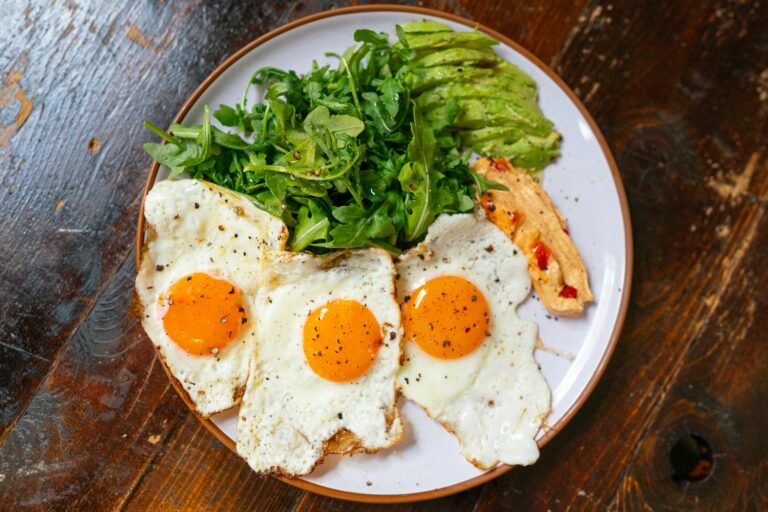
Monday breakfast: 3 eggs fried in butter, 2 rashers of bacon, black coffee. Lunch: 150 g grilled salmon, 100 g asparagus with olive oil, side salad. Dinner: 200 g beef mince, cooked in ghee with 100 g courgettes and 50 g cheddar cheese.
This meal plan delivers roughly 25 g of net carbs, 120 g of protein, and 150 g of fat—solid macros for a 70 kg person. At Tesco, a pack of 6 free-range eggs costs around £1.80, salmon fillets are £6–£8 per 150 g pack, and grass-fed mince is £4–£5 per 500 g. A week of eating this way costs £35–£45 in food, which is reasonable.
Track your meals in an app. Weigh your portions. Drink water and add salt to your food. After two weeks, reassess. If you’re losing weight, feeling energised, and not hungry, you’ve got it right. If you’re stalled or fatigued, check your macros—you’re probably eating too much protein or not enough fat.
Frequently Asked Questions
Q: How long does it take to enter ketosis?
A: Typically 3–7 days if you stay below 20 g of net carbs daily. Some people enter ketosis in 24 hours; others take 2 weeks. It depends on your starting carbohydrate intake, activity level, and metabolism. Fasting speeds it up.
Q: Can I do keto if I’m vegetarian?
A: Yes, but it’s harder. You’ll rely on eggs, dairy, nuts, seeds, and plant-based oils for fat and protein. Protein sources are more limited, so tracking becomes even more important. Consider whether a less restrictive low-carb diet might suit you better.
Q: Will keto ruin my cholesterol?
A: Not for most people. Research by Kosinski and Jornayvaz found that ketogenic diets improve triglycerides and HDL cholesterol in most people, though LDL cholesterol may rise in some. If you have a family history of heart disease, discuss keto with your doctor and get your lipids tested at 6 and 12 weeks.
Q: What if I have a cheat day?
A: One cheat day won’t ruin your progress, but it will kick you out of ketosis and trigger cravings for 2–3 days afterward. Most people find it’s not worth it. If you want a break, take a week off keto rather than a single meal—it’s psychologically easier than the in-between state.
Q: Can I exercise on keto?
A: Yes. High-intensity exercise is harder in the first 4–6 weeks because your muscles are depleted of glycogen. Steady-state cardio and strength training feel normal. After 6–8 weeks of fat adaptation, your performance returns to baseline or improves. Stay hydrated and maintain your electrolytes.
The Bottom Line
The 10 most common keto mistakes beginners make are all preventable. They stem from not tracking macros, eating too much protein or too little fat, ignoring electrolytes, choosing the wrong fats, snacking on nuts, relying on processed foods, skipping vegetables, and expecting overnight results. Most also involve not adjusting medication if needed or misunderstanding how ketosis affects blood glucose and insulin. The fix is simple: track your food, eat whole foods, prioritise fat, manage your electrolytes, and give yourself 8–12 weeks before judging results. If you’d rather not do the macro maths yourself, the Keto Dieting app does it for you on Google Play and the App Store.
References
- Bueno NB, de Melo IS, de Oliveira SL, da Rocha Ataide T (2013). Very-low-carbohydrate ketogenic diet v. low-fat diet for long-term weight loss: a meta-analysis of randomised controlled trials. British Journal of Nutrition. https://doi.org/10.1017/S0007114513000548
- Kosinski C, Jornayvaz FR (2017). Effects of Ketogenic Diets on Cardiovascular Risk Factors: Evidence from Animal and Human Studies. Nutrients. https://doi.org/10.3390/nu9050517
- Hallberg SJ, McKenzie AL, Williams PT, et al. (2018). Effectiveness and Safety of a Novel Care Model for the Management of Type 2 Diabetes at 1 Year: An Open-Label, Non-Randomized, Controlled Study. Diabetes Therapy. https://doi.org/10.1007/s13300-018-0373-9
- Sumithran P, Prendergast LA, Delbridge E, et al. (2013). Ketosis and appetite-mediating nutrients and hormones after weight loss. European Journal of Clinical Nutrition. https://doi.org/10.1038/ejcn.2013.90