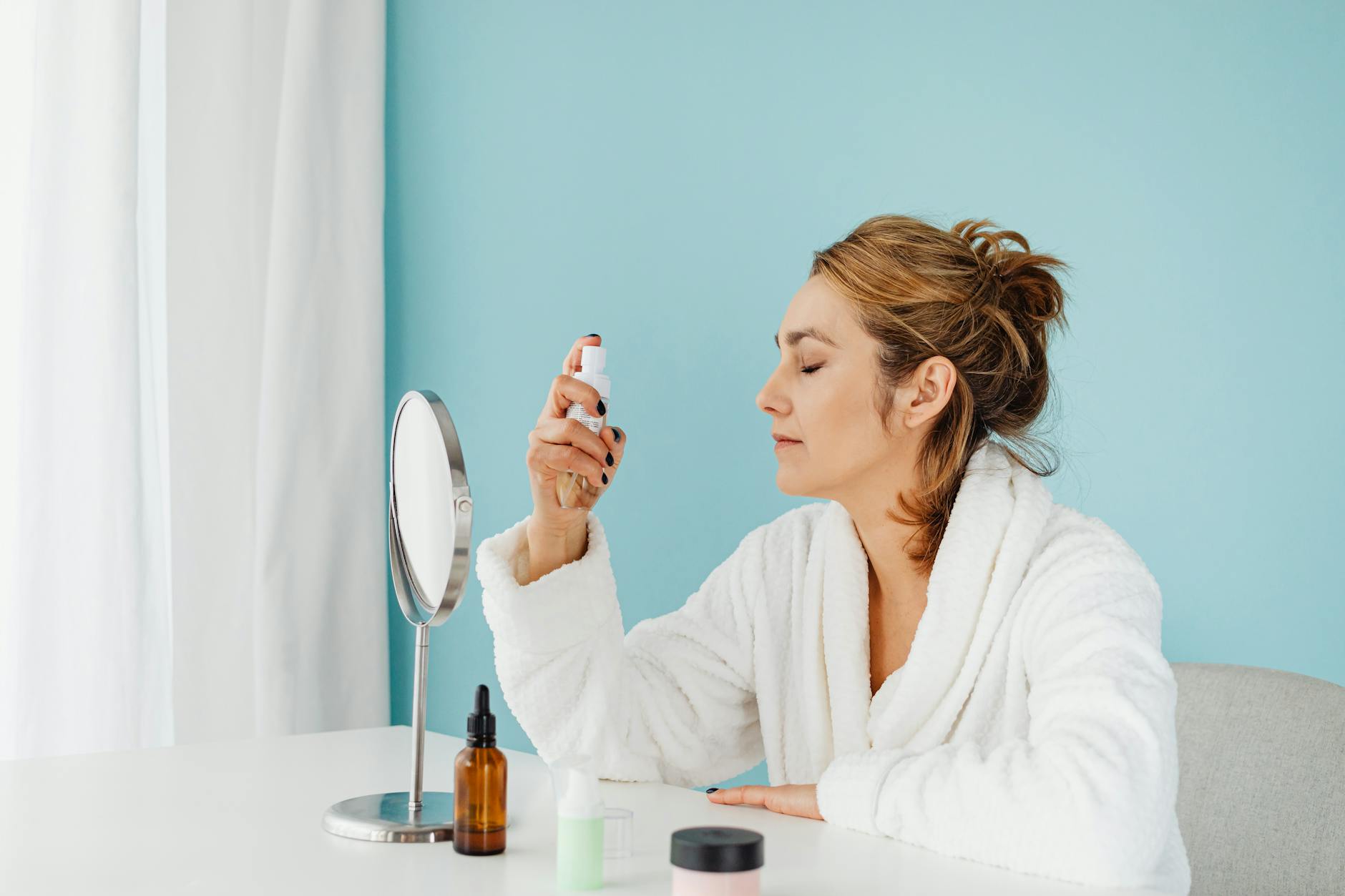
The ketogenic diet alters more than weight and energy levels—it can significantly impact skin health. For women, these skin changes often relate to shifts in hydration, hormones, and inflammation. A 2013 study in the British Journal of Nutrition noted that very-low-carbohydrate diets affect fluid balance and electrolyte levels, which may initially alter skin texture.
Hydration and Skin Barrier Function
Ketosis increases water excretion, which can lead to temporary dryness. Women often notice this in the first weeks as their bodies adapt. Drinking enough water and replenishing electrolytes helps maintain skin elasticity. Sainsbury’s sells electrolyte tablets for £5.99 per tube, useful for keto beginners.
Hormonal Influences on Skin
For women with polycystic ovary syndrome (PCOS), the ketogenic diet may improve hormonal acne. the effects of keto on PCOS include reduced insulin resistance, which can lower androgen production. A 2005 pilot study in Nutrition & Metabolism found that women with PCOS saw improvements in acne after 24 weeks on keto.
Inflammation and Skin Conditions
Lower carbohydrate intake correlates with reduced systemic inflammation. This may benefit conditions like rosacea or eczema. managing keto flu symptoms properly ensures these skin improvements aren’t offset by stress or nutrient deficiencies.
What This Means in Practice
In the UK, seasonal changes exacerbate skin issues. Winter demands richer moisturisers—Waitrose’s own-brand shea butter (£7 for 200 ml) works well. Summer requires lighter, non-comedogenic sunscreens. Tracking these adjustments alongside diet helps isolate keto-specific effects.
Frequently Asked Questions
Does keto cause acne in women?
Some experience temporary breakouts during adaptation as toxins release through skin. This typically resolves within a month with proper hydration.
Can keto help with wrinkles?
Improved collagen production from stable blood sugar may reduce fine lines over time, though direct studies are limited.
Why does my skin feel oilier on keto?
Increased fat intake can temporarily boost sebum production. Balancing omega-3 and omega-6 fats helps regulate this.
The Bottom Line
Skin changes on keto reflect deeper metabolic shifts. Most women find their skin stabilises after adaptation, with improvements in texture and clarity. If you’d rather not do the macro maths yourself, the Keto Dieting app does it for you on Google Play and the App Store.
References
- Bueno NB, de Melo IS, de Oliveira SL, da Rocha Ataide T (2013). Very-low-carbohydrate ketogenic diet v. low-fat diet for long-term weight loss: a meta-analysis of randomised controlled trials. British Journal of Nutrition. https://doi.org/10.1017/S0007114513000548
- Mavropoulos JC, Yancy WS, Hepburn J, Westman EC (2005). The effects of a low-carbohydrate, ketogenic diet on the polycystic ovary syndrome: a pilot study. Nutrition & Metabolism. https://doi.org/10.1186/1743-7075-2-35