
Keto Granola Without the Oats
For many, a bowl of granola is a comforting start to the day. The ketogenic diet requires rethinking this classic, as traditional oats are high in carbohydrates. A keto granola without the oats replaces grains with a base of nuts, seeds, and coconut, creating a crunchy, satisfying texture while keeping net carbs low. This approach allows you to enjoy the familiar ritual of granola while maintaining nutritional ketosis.
The primary goal is to create clusters that mimic the crunch of oat-based granola. This is achieved by binding finely chopped nuts and seeds with ingredients like egg white, nut butter, or a sugar-free syrup. The mixture is then baked until golden and crisp. The result is a versatile food that can be eaten with unsweetened almond milk, sprinkled over full-fat Greek yoghurt, or simply enjoyed by the handful as a snack.
Why Oats Don’t Work on Keto
Oats are a staple of many breakfast tables, but they are fundamentally incompatible with a strict ketogenic diet. A typical 40-gram serving of rolled oats contains around 20-25 grams of net carbohydrates. Consuming this amount can easily use up most, if not all, of a person’s daily carbohydrate allowance on keto, which is often between 20-50 grams. The high carbohydrate content comes from starch, which the body quickly breaks down into glucose, potentially disrupting ketosis.
Beyond the carb count, the type of fibre in oats is worth considering. While oats contain beta-glucan, a soluble fibre with noted health benefits, the overall glycemic impact is too high for nutritional ketosis. Replacing oats with low-carb alternatives like almond flour, coconut flakes, and various seeds provides dietary fibre without the blood glucose spike. This swap is central to creating a keto-friendly version that supports metabolic flexibility. other low-carb breakfast ideas can also help diversify your morning routine.
Building Your Keto Granola Base
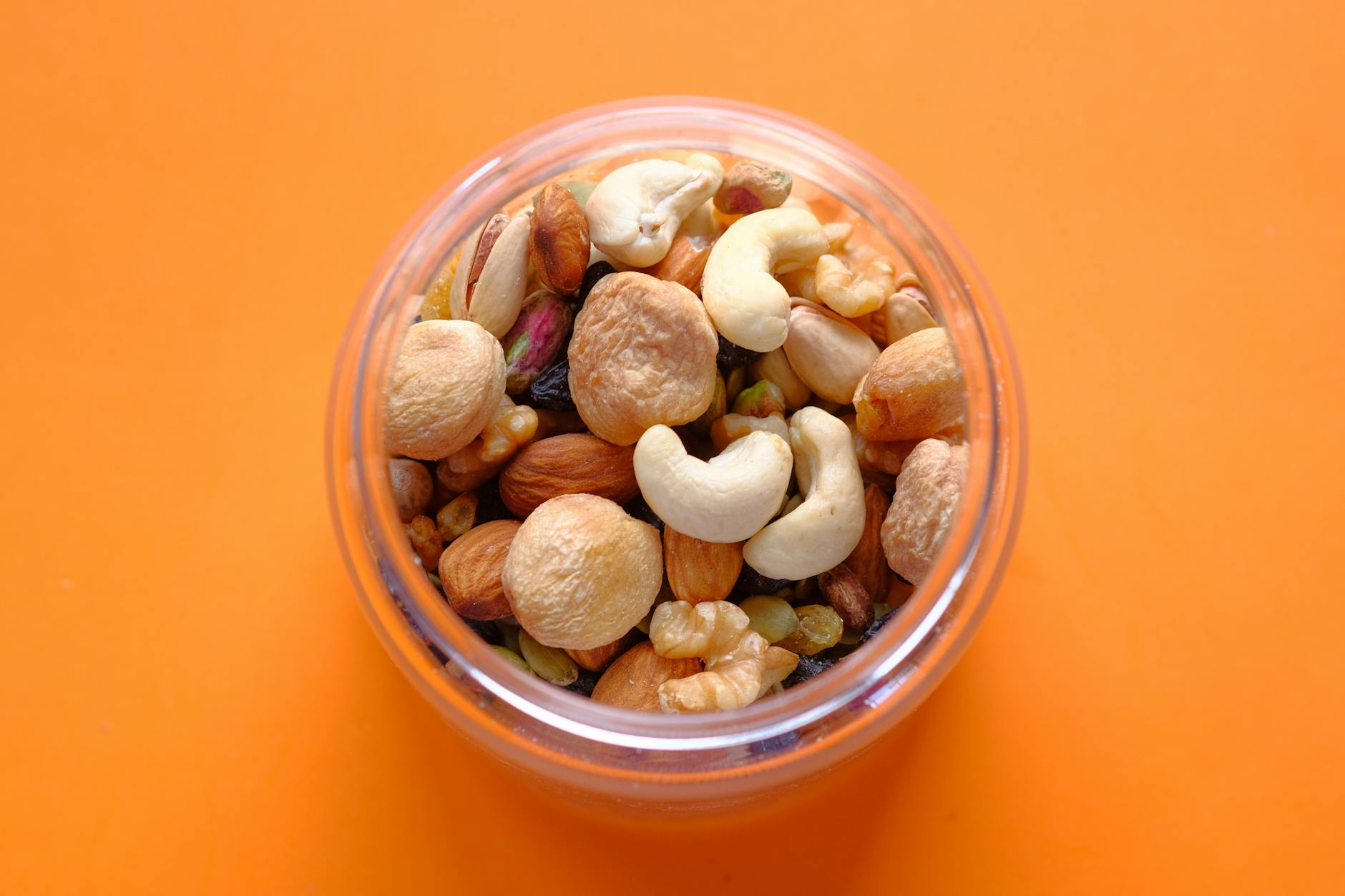
The foundation of a good keto granola is a combination of nuts and seeds. Almonds, walnuts, pecans, and peanuts (if tolerated) provide healthy fats and protein. Seeds like pumpkin, sunflower, sesame, and chia add crunch, fibre, and essential minerals. Unsweetened coconut flakes are another excellent component, contributing texture and medium-chain triglycerides (MCTs), which are readily used for energy.
The ratio of ingredients is flexible, but a good starting point is roughly 60% nuts to 40% seeds and coconut. It’s best to chop the nuts coarsely rather than using fine flour; this creates the desirable granola cluster texture. A food processor can be used, but pulsing is key to avoid turning the mixture into nut butter. For those with nut allergies, a seed-only granola using pumpkin, sunflower, and hemp seeds is a great alternative. Mixing these base ingredients is the first step toward a customisable snack.
Creating the Binder and Flavour
The binder is what holds the granola together and helps form clusters. In traditional granola, this is often honey or sugar syrup. For a keto version, effective binders include whipped egg white, sugar-free syrup (like monk fruit or erythritol-based), or a tablespoon of smooth nut butter like almond or peanut butter. An egg white, lightly whipped until frothy, creates crisp clusters without adding carbs or sweetness.
Flavour comes from a combination of fat, spice, and sweetener. Melted coconut oil or butter adds richness and aids in crisping. Cinnamon, nutmeg, or vanilla extract provide warm, familiar notes. A sugar-free sweetener, such as powdered erythritol or stevia, adds the expected sweetness without the carbs. A pinch of salt is essential to balance and enhance all the other flavours. Combining the dry base with the wet binder and flavourings is a simple process that allows for plenty of experimentation.
What This Means in Practice
Making keto granola is a straightforward weekend activity. A typical batch uses 200g of mixed nuts (almonds, pecans), 100g of seeds (pumpkin, sunflower), and 50g of unsweetened coconut flakes. These ingredients are readily available at most UK supermarkets; a 200g bag of mixed nuts costs around £3.50 at Tesco. After chopping and mixing, you combine them with a binder made from one egg white, two tablespoons of melted coconut oil, a teaspoon of cinnamon, and your chosen sugar-free sweetener.
The mixture is spread on a baking tray lined with parchment paper and baked at 160°C (140°C for fan ovens) for 20-25 minutes, until golden brown. It’s important to let the granola cool completely on the tray before breaking it into clusters. This cooling process is when it becomes crisp. Stored in an airtight container, a batch like this can last for two weeks, making it a convenient grab-and-go option for busy British mornings, whether you’re heading to the office or out for a walk on a crisp autumn day.
Nutritional Profile and Benefits
A serving of homemade keto granola (approximately 30g) typically contains between 2-5 grams of net carbohydrates, depending on the specific nuts and seeds used. This is a significant reduction from the 20+ grams in oat-based granola. The fat content is high, primarily from the monounsaturated and polyunsaturated fats in nuts and seeds, which are associated with heart health. The protein and fibre content contribute to satiety, which can help manage appetite throughout the day.
By controlling the ingredients, you also avoid the refined sugars and industrial seed oils often found in commercial granolas. This homemade approach aligns with a whole-foods focus. The flexibility of the recipe means you can tailor it to your nutritional needs, such as increasing seeds for more magnesium or adding flaxseed for extra fibre. This level of control supports a sustainable long-term approach to the ketogenic diet.
Frequently Asked Questions
Can I make nut-free keto granola? Yes, a nut-free version is entirely possible. Use a combination of seeds like pumpkin, sunflower, sesame, and hemp hearts as the base. The binder can still be an egg white or a seed butter like tahini (sesame seed paste). The baking method remains the same, resulting in a crunchy, cluster-based granola that is safe for those with nut allergies.
What is the best sugar-free sweetener to use? Granulated erythritol or monk fruit sweeteners work well as they don’t have a bitter aftertaste and measure similarly to sugar. For the best texture, using a powdered version or blitzing granulated sweetener in a spice grinder can help it incorporate more evenly into the binder without leaving a gritty texture in the finished granola.
How should I store keto granola? Store your granola in an airtight container at room temperature. A cool, dark cupboard is ideal. Properly stored, it should stay crisp for up to two weeks. If you live in a particularly humid climate, you may find it loses its crunch faster; a silica gel packet placed in the container can help absorb moisture.
Is this granola suitable for people with diabetes? As this recipe is very low in carbohydrates and contains no added sugar, it is unlikely to cause a significant spike in blood glucose levels. However, individual responses can vary. Anyone managing diabetes should monitor their blood sugar levels when introducing new foods and consult with their healthcare team for personalised dietary advice.
The Bottom Line
Keto granola without oats is a practical and delicious solution for anyone following a low-carb lifestyle. It replicates the texture and satisfaction of traditional granola using a clever combination of nuts, seeds, and keto-friendly binders. Making it at home gives you full control over the ingredients, ensuring a high-fat, low-carb, and sugar-free breakfast or snack. It’s a simple way to add variety to your meal plan while staying firmly in ketosis. If you’d rather not do the macro maths yourself, the Keto Dieting app does it for you on Google Play and the App Store.
References
- Bueno NB, de Melo IS, de Oliveira SL, da Rocha Ataide T (2013). Very-low-carbohydrate ketogenic diet v. low-fat diet for long-term weight loss: a meta-analysis of randomised controlled trials. British Journal of Nutrition. https://doi.org/10.1017/S0007114513000548
- Hyde PN, Sapper TN, Crabtree CD, et al. (2019). Dietary carbohydrate restriction improves metabolic syndrome independent of weight loss. JCI Insight. https://doi.org/10.1172/jci.insight.128308