Maintaining a ketogenic diet during Ramadan requires careful planning around suhoor and iftar timings. The ketogenic diet, when adapted for fasting periods, may help sustain energy levels and reduce hunger pangs during long daylight hours. With sunset around 8:30 PM in April 2024 across the UK, these evidence-based strategies can help Muslims observing Ramadan stay in ketosis.
Structuring Suhoor for Sustained Energy
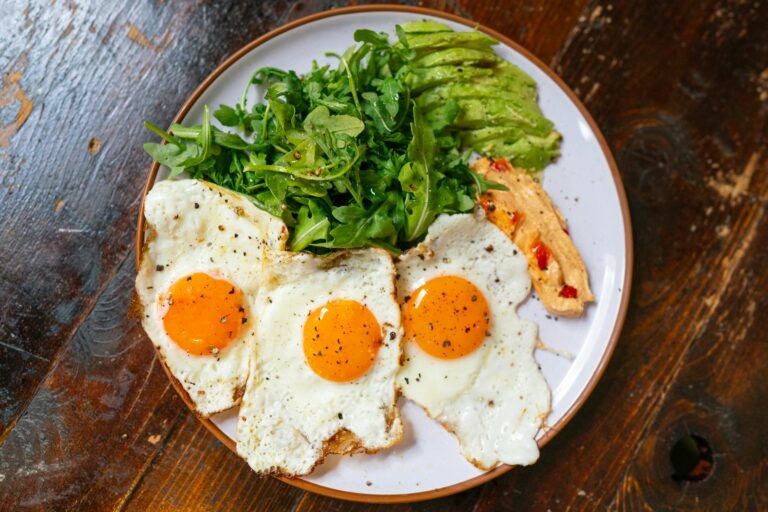
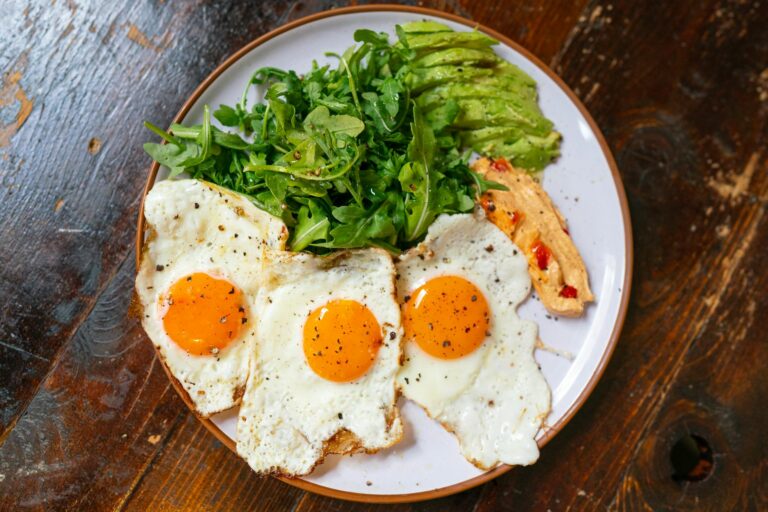
A well-planned suhoor should prioritise fats, moderate protein, and minimal carbohydrates. At Tesco, £2.50 buys 300g of halloumi cheese that provides both fat and sodium for electrolyte balance. Pair with two eggs (£1.20 for six medium free-range) and a handful of walnuts (£2.80 for 200g at Sainsbury’s) for a meal containing approximately 5g net carbs. Studies suggest higher fat intake before fasting may prolong satiety (Sumithran et al., 2013).
Hydration and Electrolyte Management
Between iftar and suhoor, aim for 2-3 litres of water with added electrolytes. keto electrolyte supplementation becomes crucial during Ramadan fasting. A pinch of sea salt in water and magnesium supplements (approximately £8 for 90 tablets at Boots) can prevent headaches and fatigue. The NHS recommends consulting a GP before taking supplements if you have existing health conditions.
Iftar Meal Composition
Break fast with dates (limit to 1-2 small ones for 10g net carbs) followed by a main meal after Maghrib prayers. A typical plate might include:
- 100g lamb chops (£6/kg at Halal butchers)
- 150g roasted aubergine with olive oil
- 30g leafy greens with lemon dressing
This provides under 15g net carbs while meeting protein needs.
What This Means in Practice
During shorter winter fasts, two meals may suffice, but with April fasts exceeding 15 hours, consider splitting iftar into two smaller meals. The NHS advises people with type 2 diabetes who fast to monitor blood glucose levels closely. At Asda, a blood glucose monitor costs approximately £15 with test strips. Evening prayers provide natural movement breaks that help digestion.
Managing Social and Cultural Aspects
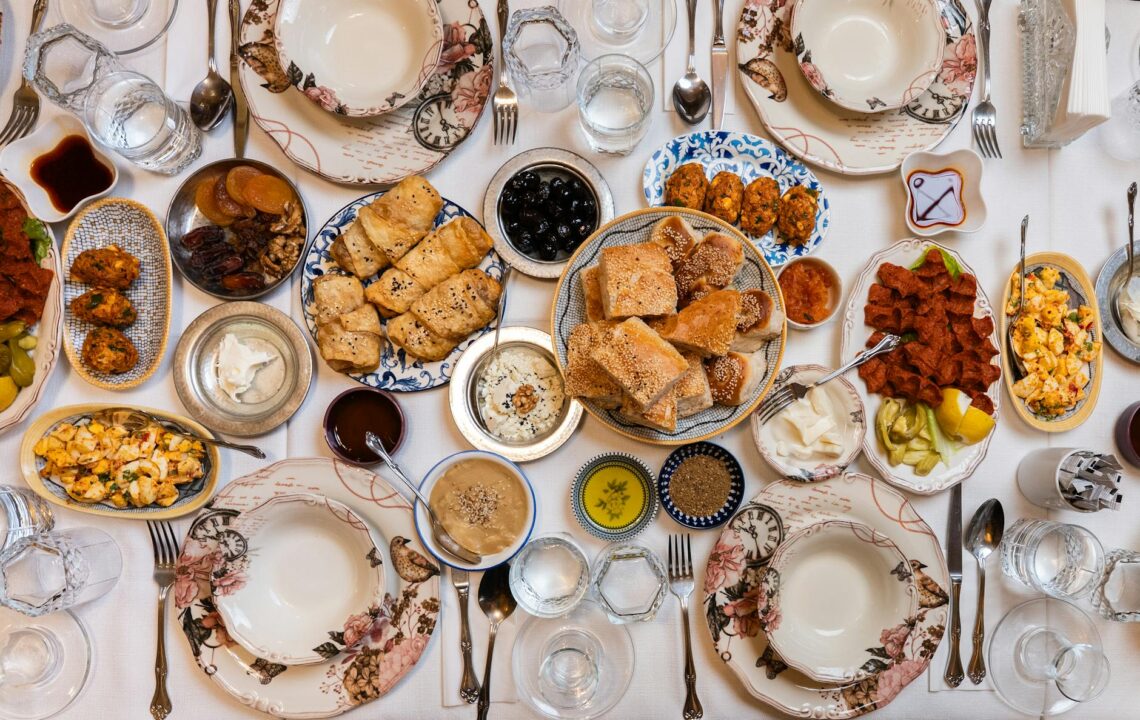
Traditional Ramadan foods often contain refined carbohydrates. Politely explain your dietary needs to hosts, or bring a keto-friendly dish to share. keto alternatives to traditional sweets like almond flour baklava can satisfy cultural expectations without breaking ketosis.
Frequently Asked Questions
Can I do keto during Ramadan if I have diabetes?
People with type 2 diabetes should consult their healthcare team before combining keto with fasting. Some studies show benefits (Yancy et al., 2005), but medication adjustments may be needed.
Will I lose muscle mass fasting on keto?
Adequate protein at suhoor and iftar (0.8-1.2g per kg body weight) combined with resistance training can preserve muscle mass during Ramadan.
How do I handle caffeine withdrawal?
Gradually reduce tea and coffee before Ramadan begins. Switch to decaf options available at Morrisons for £2.50 per 100g to avoid headaches.
The Bottom Line
With careful meal timing and electrolyte management, maintaining ketosis during Ramadan is achievable. Focus on nutrient-dense foods at suhoor, hydrate adequately during eating windows, and monitor energy levels. For those balancing cultural traditions with keto principles, small modifications make the diet sustainable. If you’d rather not do the macro maths yourself, the Keto Dieting app does it for you on Google Play and the App Store.
References
- Sumithran P, Prendergast LA, Delbridge E, et al. (2013). Ketosis and appetite-mediating nutrients and hormones after weight loss. European Journal of Clinical Nutrition. https://doi.org/10.1038/ejcn.2013.90
- Yancy WS, Foy M, Chalecki AM, Vernon MC, Westman EC (2005). A low-carbohydrate, ketogenic diet to treat type 2 diabetes. Nutrition & Metabolism. https://doi.org/10.1186/1743-7075-2-34