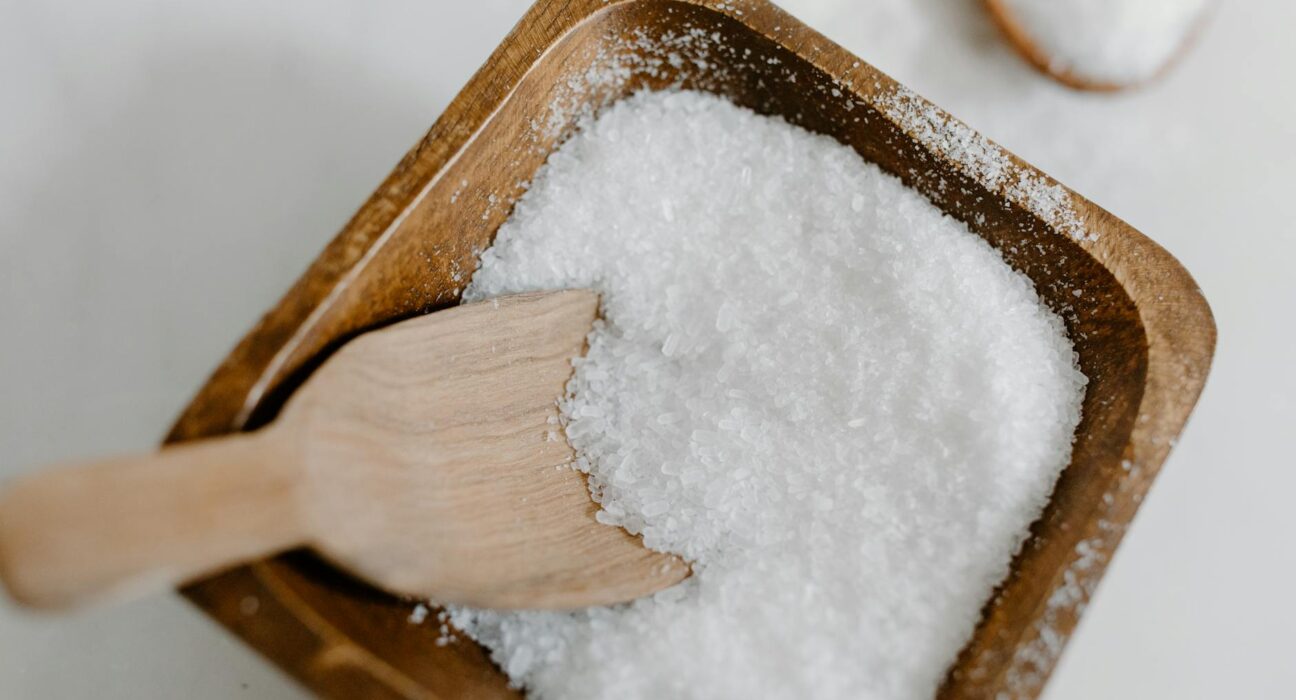
Hydration and Salt Through a 36-Hour Fast
Extended fasting requires careful attention to hydration and electrolytes. The ketogenic diet often pairs with intermittent fasting, but longer fasts—like 36 hours—demand specific strategies to maintain fluid balance and avoid fatigue. Sodium, potassium, and magnesium become critical when food intake ceases.
Why Electrolytes Matter During Fasting
When you fast, insulin levels drop, prompting the kidneys to excrete more sodium. This can lead to dehydration, headaches, and dizziness—collectively known as “keto flu.” A 2013 study in the British Journal of Nutrition found that low-carb diets increase sodium excretion, necessitating higher intake (Bueno et al., 2013). Similarly, potassium and magnesium losses can cause muscle cramps or heart palpitations.
the keto adaptation timeline explains how the body shifts from glucose to fat metabolism, but this transition heightens electrolyte needs. Drinking plain water isn’t enough; it can dilute blood sodium further, worsening symptoms.
What This Means in Practice
In the UK, fasting through variable weather—like a drizzly autumn day—requires adjusting intake. Start with:
- 1.5–2 litres of water daily (more if sweating)
- 3–5 g sodium (½–1 tsp sea salt or pink Himalayan salt, £2.50 for 250 g at Tesco)
- 1–3 g potassium (from LoSalt or avocado)
- 300–400 mg magnesium (supplement or Epsom salt bath)
Bone broth (£1.80 for 500 ml at Sainsbury’s) is a practical option, providing sodium and trace minerals without breaking the fast.
Hydration Strategies Beyond Water
Herbal teas (peppermint or ginger) can curb appetite while contributing to fluid intake. Adding a pinch of salt to tea or coffee helps retention. For those who dislike salty drinks, electrolyte tablets (£10 for 20 tablets at Boots) offer a convenient alternative.
common keto electrolyte mistakes include over-relying on sports drinks, which often contain sugar. During fasting, electrolytes should come from clean sources like mineral water or supplements.
Frequently Asked Questions
Can I drink coffee during a 36-hour fast? Yes, black coffee is fine and may suppress appetite. Add a pinch of salt to offset its diuretic effect. Limit to 2–3 cups to avoid dehydration.
How do I know if I’m dehydrated? Dark urine, dry mouth, or dizziness signal dehydration. Aim for pale yellow urine and steady energy levels.
Is fasting safe for people with high blood pressure? Those on medication should consult a GP first. Sodium needs vary; some may require less salt under medical supervision.
The Bottom Line
A 36-hour fast demands deliberate electrolyte management to avoid fatigue and headaches. Prioritise sodium, potassium, and magnesium through salt, supplements, or mineral-rich drinks. If you’d rather not do the macro maths yourself, the Keto Dieting app does it for you on Google Play and the App Store.
References
- Bueno NB, de Melo IS, de Oliveira SL, da Rocha Ataide T (2013). Very-low-carbohydrate ketogenic diet v. low-fat diet for long-term weight loss: a meta-analysis of randomised controlled trials. British Journal of Nutrition. https://doi.org/10.1017/S0007114513000548
- Hyde PN, Sapper TN, Crabtree CD, et al. (2019). Dietary carbohydrate restriction improves metabolic syndrome independent of weight loss. JCI Insight. https://doi.org/10.1172/jci.insight.128308