The ketogenic diet and intermittent fasting are popular year-round. But does the British season affect your fasting routine? The answer is yes, and understanding these seasonal impacts can help you optimise your health and well-being. Let’s explore how winter and summer in the UK can influence your ketogenic fasting experience.
Winter Fasting: Challenges and Strategies
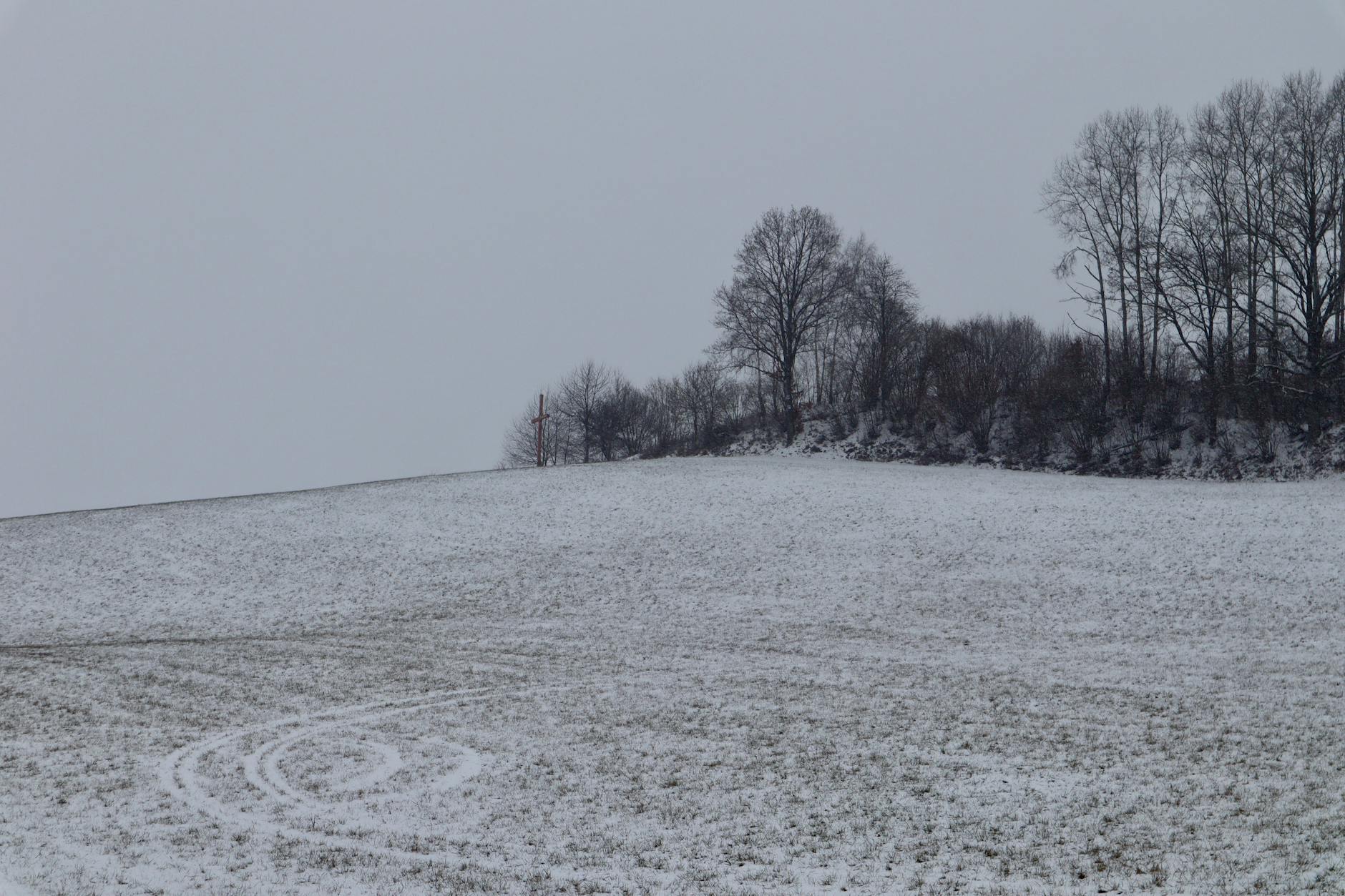
British winters present unique challenges to fasting. The shorter days and colder temperatures can impact your energy levels and appetite. Many people find themselves craving more carbohydrates during winter, which can make sticking to a ketogenic diet and fasting schedule more difficult. This may be due to the body’s natural response to conserve energy and seek comfort foods during colder months. It’s also worth noting that reduced sunlight exposure can affect vitamin D levels, potentially influencing mood and appetite managing keto electrolytes.
To combat these challenges, consider these strategies:
- Prioritise protein and healthy fats: These macronutrients can help you feel fuller for longer and reduce carbohydrate cravings. Think fatty cuts of meat, oily fish, eggs, and avocados.
- Stay hydrated: It’s easy to forget to drink enough water in winter, but staying hydrated is crucial for managing hunger and energy levels. Warm herbal teas can be a comforting and hydrating option.
- Adjust your fasting window: You might find it easier to fast during the longer daylight hours and eat during the evening when it’s colder and darker.
- Consider vitamin D supplementation: Speak to your GP about whether you might benefit from a vitamin D supplement, especially during the winter months.
Summer Fasting: Opportunities and Considerations
Summer in the UK brings longer days, warmer temperatures, and an abundance of fresh produce. This can make fasting easier for some people. The increased daylight and outdoor activity can boost energy levels and improve mood, potentially reducing the urge to overeat. However, summer also presents its own set of considerations.
- Hydration is key: With warmer temperatures, it’s essential to stay adequately hydrated. Drink plenty of water, and consider adding electrolytes to replenish those lost through sweat.
- Be mindful of social events: Summer is often a time for barbecues, picnics, and other social gatherings. Plan ahead to ensure you can stick to your ketogenic diet and fasting schedule while still enjoying these events. Offer to bring a keto-friendly dish to share.
- Listen to your body: Pay attention to how you feel during fasting, especially in hot weather. If you experience dizziness or fatigue, consider adjusting your fasting window or taking a break.
What this means in practice
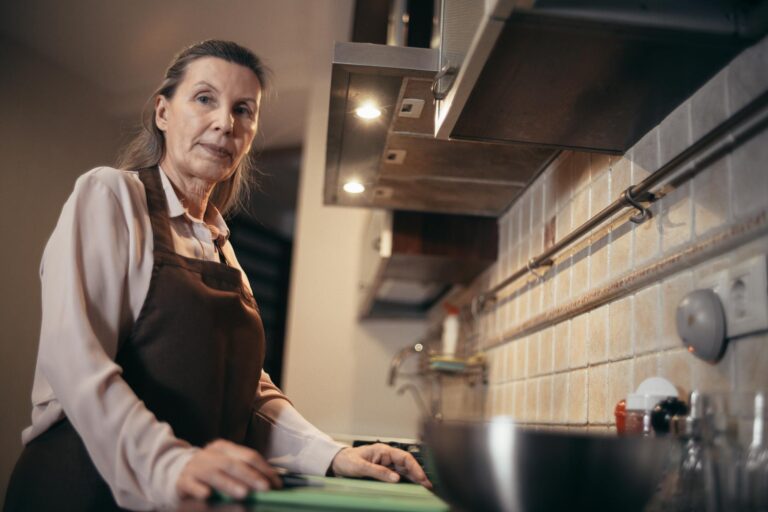
In winter, you might find yourself reaching for stodgy, carbohydrate-rich foods. Instead, plan ahead. A hearty beef and vegetable stew, made with bone broth and plenty of non-starchy vegetables, can be a warming and keto-friendly option. You can buy the ingredients for around £8 at Aldi. In summer, take advantage of the abundance of fresh, seasonal vegetables. A colourful salad with grilled chicken or fish is a light and refreshing meal that fits perfectly into a ketogenic diet. Remember to stay hydrated with plenty of water and sugar-free drinks, especially during the warmer months keto and the Ramadan fast.
Frequently asked questions
Will I lose weight faster if I fast more in summer?
Not necessarily. Weight loss depends on a calorie deficit, not just the season. Focus on consistency with your ketogenic diet and fasting schedule, and adjust as needed based on your individual needs and preferences.
Is it safe to fast in the winter if I have low vitamin D?
It’s best to consult with your GP before making any significant changes to your diet or fasting routine, especially if you have any underlying health conditions or concerns about vitamin D deficiency. They can assess your individual needs and provide personalised advice.
How can I manage cravings during winter fasting?
Prioritise protein and healthy fats in your meals to help you feel fuller for longer. Stay hydrated with warm herbal teas. Consider adjusting your fasting window to align with your natural hunger cues. Engage in activities that boost your mood and reduce stress, such as exercise or spending time outdoors.
The bottom line
Fasting on a ketogenic diet can be influenced by the seasons. British winters may present challenges like increased carbohydrate cravings and reduced energy levels, while summers require careful attention to hydration and social events. By understanding these seasonal impacts and adjusting your approach accordingly, you can optimise your ketogenic fasting experience year-round. Remember to listen to your body, prioritise nutrient-dense foods, and stay hydrated. If you’d rather not do the macro maths yourself, the Keto Dieting app does it for you on Google Play and the App Store.
References
- Sumithran P, Prendergast LA, Delbridge E, et al. (2013). Ketosis and appetite-mediating nutrients and hormones after weight loss. European Journal of Clinical Nutrition. https://doi.org/10.1038/ejcn.2013.90
- Bueno NB, de Melo IS, de Oliveira SL, da Rocha Ataide T (2013). Very-low-carbohydrate ketogenic diet v. low-fat diet for long-term weight loss: a meta-analysis of randomised controlled trials. British Journal of Nutrition. https://doi.org/10.1017/S0007114513000548