
The 25 Best Keto Snacks Under 5g Net Carbs
When you’re following a ketogenic diet, the difference between staying in ketosis and accidentally breaking it often comes down to what you eat between meals. A ketogenic diet works by shifting your body’s fuel source from carbohydrate to fat, which requires keeping carbohydrate intake low—typically under 20 to 50 grams per day depending on your individual tolerance. Snacks matter because they’re where most people slip up, reaching for a biscuit or a chocolate bar without checking the label.
The good news: there are dozens of genuinely satisfying snacks that fit comfortably under 5 grams of net carbs. Many are available right now at Tesco, Sainsbury’s, Aldi, or Asda. This guide walks through 25 real options, with macros and where to find them, so you can keep your carbohydrate intake controlled without feeling deprived.
Why Net Carbs Matter on Keto
Net carbs are total carbohydrates minus fibre. Your body doesn’t digest fibre the same way it processes sugar or starch, so it doesn’t spike blood glucose or interrupt ketosis. This is why a packet of pork scratchings with 0.5 g net carbs is fine, but a slice of bread with 15 g net carbs is not.
Research into ketogenic diet adherence shows that people who track net carbs rather than total carbs find the diet more sustainable. One reason: you get to eat more foods that feel normal. A handful of almonds, a piece of cheese, a few olives—these aren’t “diet foods”, they’re just foods that happen to be low in carbohydrate.
The 5 g threshold is practical. It’s low enough that you can eat two or three snacks a day without exceeding your carb budget, but high enough that you’re not limited to just eggs and cheese. Most of the options below sit between 0.5 and 4.5 grams of net carbs per serving.
The 25 Best Keto Snacks
Cheese and Dairy (5 options)
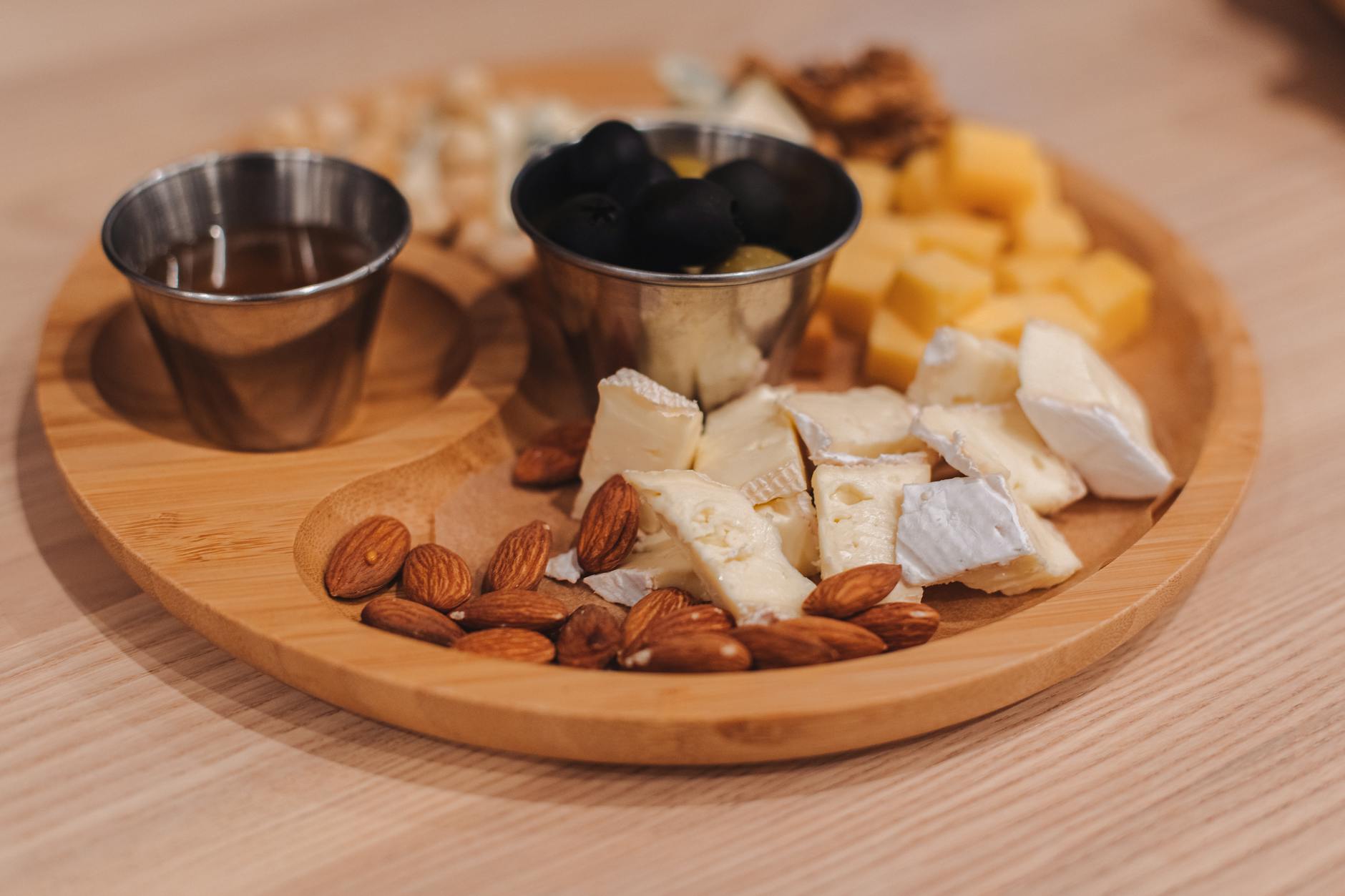
1. Mature cheddar (30 g serving): 0.1 g net carbs. £1.20 for 200 g at Tesco. Satisfying, portable, and keeps you full. 2. Mozzarella balls (fresh, 125 g pack): 1.2 g net carbs. £1.50 at Sainsbury’s. Grab one, eat it cold, done. 3. Full-fat Greek yoghurt (100 g): 3.2 g net carbs. £0.80 at Aldi. Add a handful of berries if you have carbs to spare. 4. Double cream (2 tablespoons): 0.4 g net carbs. £4.50 for 300 ml at Tesco. Whip it, eat it plain, or use it in coffee. 5. Cottage cheese (100 g): 2.8 g net carbs. £1.10 at Asda. High protein, keeps hunger at bay for hours.
Nuts and Seeds (5 options)
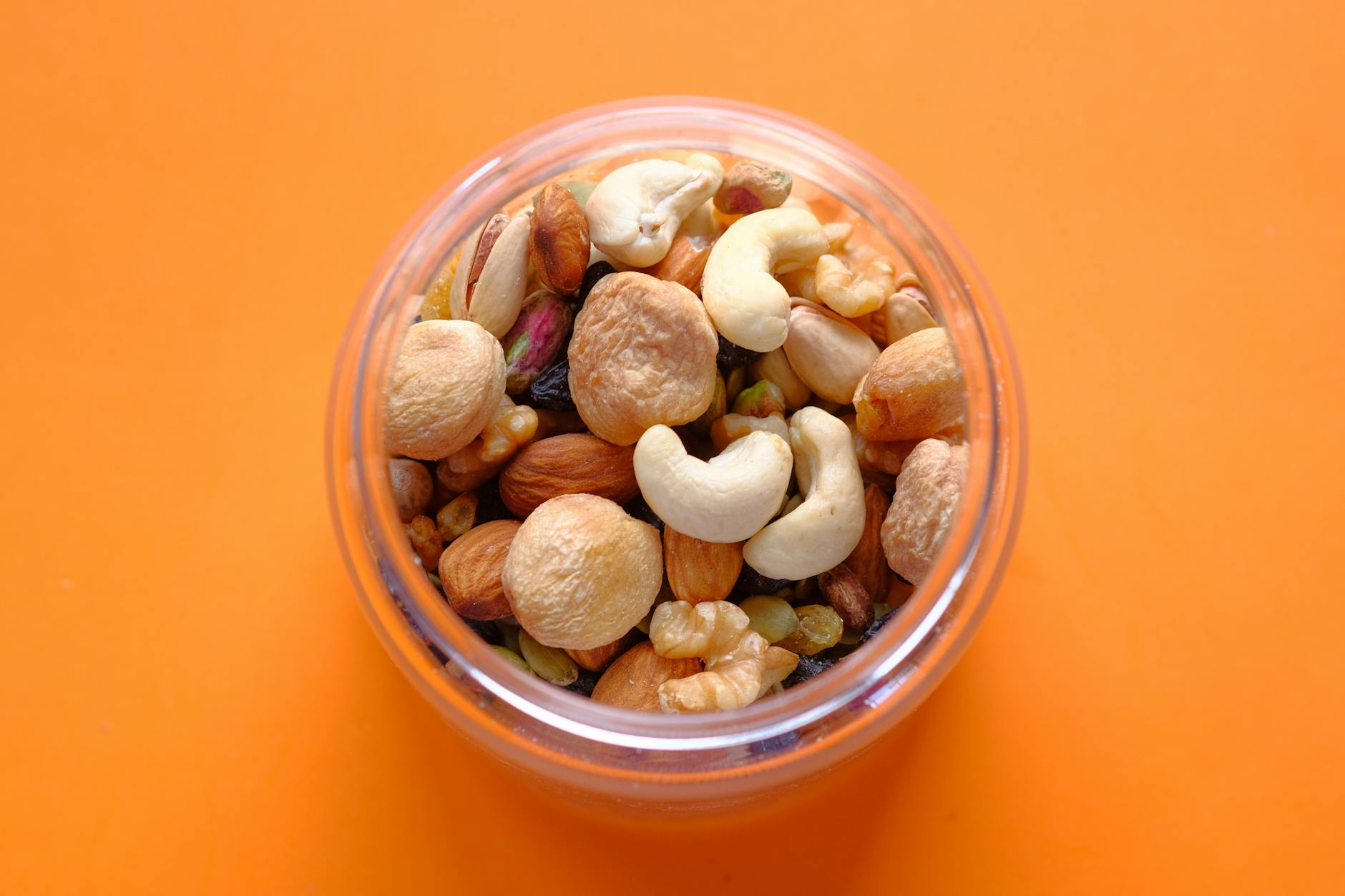
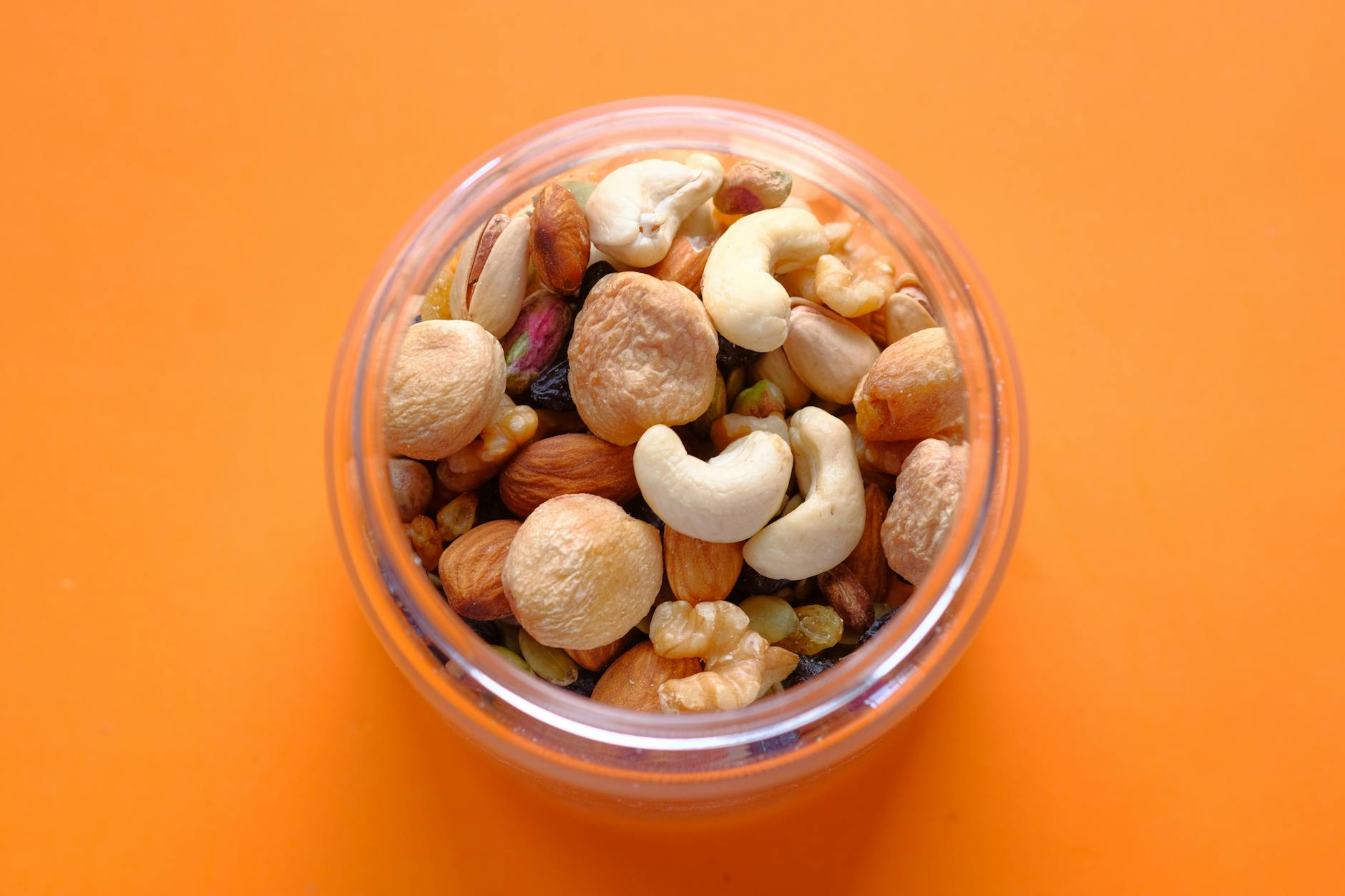
6. Almonds (23 nuts, 28 g): 2.6 g net carbs. £3.50 for 200 g at Waitrose. The classic. Portable. Reliable. 7. Macadamia nuts (10 nuts, 28 g): 1.5 g net carbs. £4.20 for 200 g at Tesco. Higher fat, lower carb than most nuts. 8. Pecans (14 halves, 28 g): 1.2 g net carbs. £3.80 for 200 g at Sainsbury’s. Buttery flavour without the carbs. 9. Sunflower seeds (30 g): 2.2 g net carbs. £0.95 for 400 g at Lidl. Cheap, filling, and you can eat them by the handful. 10. Pumpkin seeds (28 g): 1.1 g net carbs. £1.40 for 300 g at Asda. Magnesium-rich. Good for afternoon energy dips.
Meat and Fish (5 options)
11. Beef jerky, unsweetened (28 g): 1.5 g net carbs. £2.80 for 100 g at Tesco. Check the label—many brands add sugar. 12. Pork scratchings (30 g): 0.5 g net carbs. £1.20 for 100 g at most supermarkets. Crunchy, salty, zero guilt. 13. Smoked salmon (50 g): 0.2 g net carbs. £3.50 for 100 g at Sainsbury’s. Roll it around cream cheese for extra satisfaction. 14. Pepperoni slices (28 g, about 20 slices): 0.6 g net carbs. £2.10 for 100 g at Aldi. Eat them cold or crisped in a pan. 15. Tinned mackerel in oil (100 g): 0.1 g net carbs. £1.30 per tin at Asda. Omega-3s, protein, and virtually no carbs.
Vegetables and Dips (5 options)
16. Celery with almond butter (1 medium stalk + 2 tablespoons): 3.8 g net carbs. Celery £0.40 bunch, almond butter £2.50 for 340 g at Tesco. Satisfying crunch and fat. 17. Cucumber slices with cream cheese (100 g cucumber + 50 g cream cheese): 2.1 g net carbs. £0.60 for cucumber, £1.80 for cream cheese at Sainsbury’s. Refreshing and filling. 18. Bell pepper strips with guacamole (100 g pepper + 50 g guac): 4.2 g net carbs. Pepper £0.80, guacamole £2.20 at Tesco. Colourful and nutrient-dense. 19. Olives (28 g, about 10 olives): 0.3 g net carbs. £1.50 for 280 g at Asda. Salty, satisfying, and keep for weeks. 20. Radishes with butter (100 g radishes + 1 tablespoon butter): 1.8 g net carbs. Radishes £0.50 bunch, butter £1.20 for 250 g at Lidl. Peppery and crunchy.
Eggs and Egg-Based (3 options)
21. Hard-boiled egg (1 large): 0.6 g net carbs. £0.15 per egg at any supermarket. Boil a batch on Sunday, grab one each morning. 22. Devilled eggs (2 eggs with mayo and mustard): 1.2 g net carbs. Eggs £0.30, mayo £2.80 for 430 g at Sainsbury’s. Make them Friday night. 23. Egg salad on lettuce (2 eggs + mayo + lettuce leaves): 1.5 g net carbs. Same ingredients as above. Lettuce £0.80 at Tesco.
Other (2 options)
24. Dark chocolate 85% cocoa (20 g square): 2.1 g net carbs. £1.80 for 100 g at Waitrose. One square with a cup of tea hits the sweet spot. 25. Peanut butter (2 tablespoons): 3.5 g net carbs. £2.10 for 340 g at Asda. Eat it straight from the jar or with celery.
What This Means in Practice
The real value of having 25 options is variety. If you eat the same snack every day, you’ll get bored and quit. If you rotate through different textures and flavours—creamy one day, crunchy the next, salty, then slightly sweet—you maintain the psychological satisfaction that keeps you on track.
Research on appetite and ketosis shows that people on a ketogenic diet report lower hunger levels than those on low-fat diets, partly because fat and protein are more satiating than carbohydrate. One study found that after weight loss on a ketogenic diet, hunger hormones remained suppressed compared to baseline, suggesting the diet itself helps regulate appetite. This is why a 30 g serving of cheese or a handful of almonds can genuinely satisfy you for three or four hours, whereas a biscuit leaves you hungry 20 minutes later.
In winter months, when energy dips are common in the UK, having portable keto snacks in your bag or desk drawer means you’re never caught without an option. A tin of mackerel, a packet of almonds, or a block of cheese travels well and doesn’t require refrigeration for a few hours.
The key is buying once and storing properly. Nuts go rancid if left open; keep them in an airtight container. Cheese lasts weeks in the fridge. Eggs keep for three weeks. Jerky and pork scratchings are shelf-stable. Spend 20 minutes on a Sunday prepping hard-boiled eggs and you’ve got five days of snacks ready.
How Snacks Fit Into Your Daily Macros
If your daily carb limit is 30 grams, and you eat three meals at 5 grams each, you have 15 grams left for snacks. That’s three snacks at 5 grams each, or two at 7 grams, or one at 15 grams. Most people find two snacks a day is the sweet spot: one mid-morning, one mid-afternoon.
The protein content matters too. A snack with 8 to 12 grams of protein keeps you fuller longer than one with 2 grams. Cheese, nuts, jerky, and eggs all deliver this. A snack with only fat (like olives or a square of dark chocolate) is fine occasionally, but pairing fat with protein is more satiating.
This is where understanding macronutrient ratios on keto becomes practical. You’re not just counting carbs; you’re building snacks that support your hunger and energy levels. A piece of cheese alone is fine. Cheese plus a few almonds is better. Cheese plus almonds plus a slice of pepperoni is a complete mini-meal that will carry you through to dinner.
Frequently Asked Questions
Q: Can I eat these snacks if I’m doing intermittent fasting?
A: If you’re fasting, no—any calories break a fast. But if you’re eating within a defined window, these snacks fit perfectly. Many people on keto combine it with intermittent fasting, eating two meals and one snack in an eight-hour window.
Q: Are there any snacks I should avoid even though they seem low-carb?
A: Yes. “Low-carb” protein bars often have sugar alcohols that spike blood glucose in some people. Check the label. Also avoid anything labelled “keto” that you haven’t verified yourself—marketing can be misleading. Stick to whole foods or brands you trust.
Q: What about snacks for when I’m out and about?
A: Nuts, jerky, cheese, and dark chocolate travel well. Most UK petrol stations now stock beef jerky and nuts. Tesco Express and Sainsbury’s Local carry cheese and eggs. You’re rarely more than five minutes from a snack option.
Q: Do I need to count snacks if I’m not tracking macros?
A: If you’re eating whole foods and stopping when full, probably not. But if you’re not losing weight or staying in ketosis, tracking snacks often reveals the issue. Many people underestimate how much they’re eating.
Q: Can I eat these snacks in the evening without affecting sleep?
A: Protein and fat don’t usually disrupt sleep. Caffeine does—so avoid dark chocolate late in the day. A piece of cheese or a handful of almonds an hour before bed is fine and may even help stabilise blood sugar overnight.
The Bottom Line
Keto snacking isn’t about deprivation or eating “diet” food. It’s about choosing foods that are naturally low in carbohydrate and high in satisfaction. Cheese, nuts, eggs, meat, and low-carb vegetables all fit the bill. The 25 options above are available now at UK supermarkets, cost between £0.15 and £4.50 per serving, and genuinely keep you full between meals.
The real win is consistency. When you have snacks you actually enjoy and that keep you in ketosis, you stop fighting cravings and start maintaining the diet long-term. If you’d rather not do the macro maths yourself, the Keto Dieting app does it for you on Google Play and the App Store.
References
- Bueno NB, de Melo IS, de Oliveira SL, da Rocha Ataide T (2013). Very-low-carbohydrate ketogenic diet v. low-fat diet for long-term weight loss: a meta-analysis of randomised controlled trials. British Journal of Nutrition. https://doi.org/10.1017/S0007114513000548
- Sumithran P, Prendergast LA, Delbridge E, et al. (2013). Ketosis and appetite-mediating nutrients and hormones after weight loss. European Journal of Clinical Nutrition. https://doi.org/10.1038/ejcn.2013.90
- Hyde PN, Sapper TN, Crabtree CD, et al. (2019). Dietary carbohydrate restriction improves metabolic syndrome independent of weight loss. JCI Insight. https://doi.org/10.1172/jci.insight.128308
- Paoli A, Rubini A, Volek JS, Grimaldi KA (2013). Beyond weight loss: a review of the therapeutic uses of very-low-carbohydrate (ketogenic) diets. European Journal of Clinical Nutrition. https://doi.org/10.1038/ejcn.2013.116