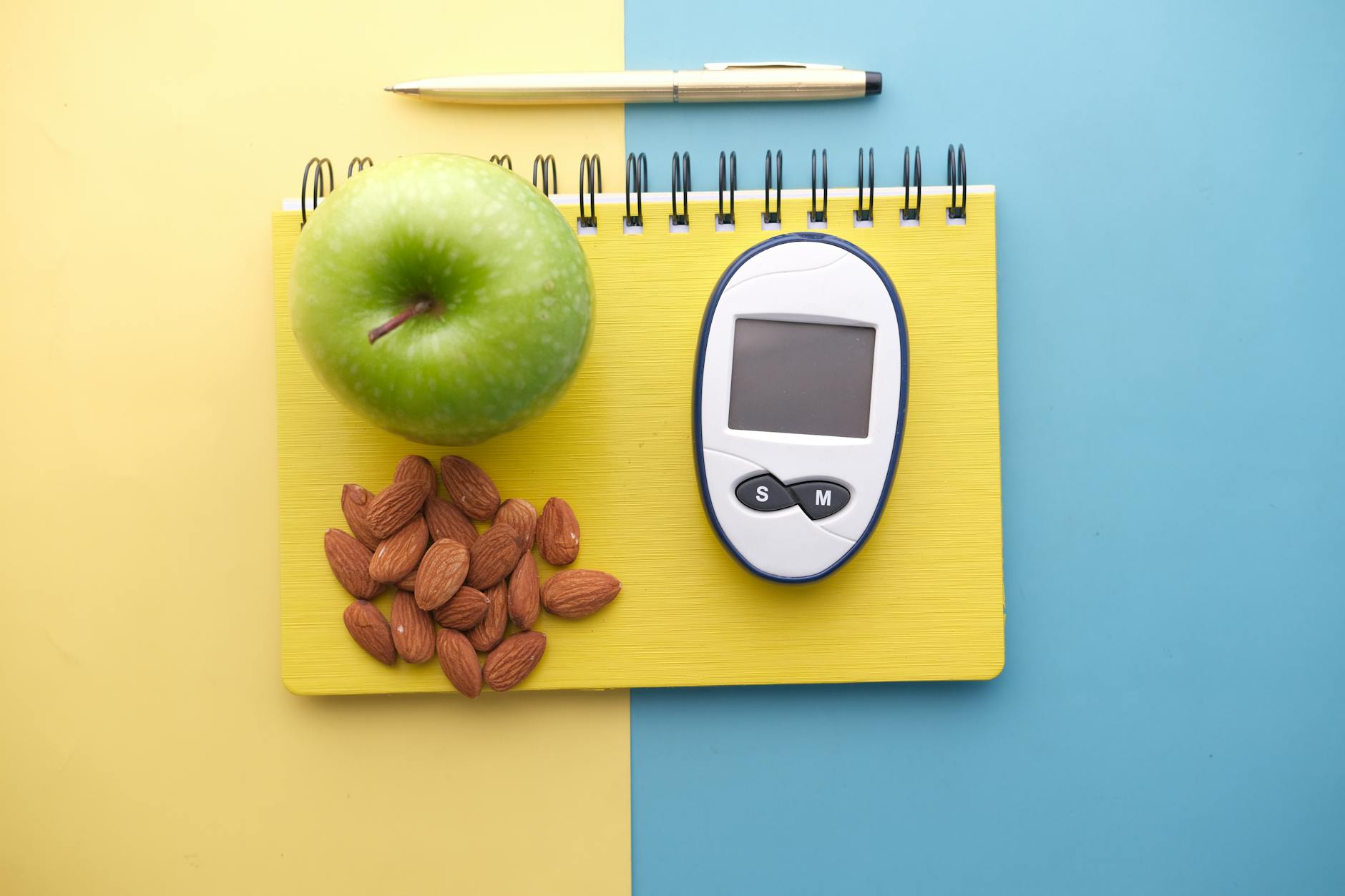
Keto and Bipolar Disorder: What New Trials Reveal
The ketogenic diet, a low-carbohydrate, high-fat eating pattern, is being studied for its potential effects on bipolar disorder. Early trials suggest metabolic improvements may influence mood regulation, though larger studies are needed.
The Metabolic Link
Bipolar disorder has been associated with mitochondrial dysfunction and insulin resistance. A 2019 study in Frontiers in Endocrinology found that nutritional ketosis improved metabolic markers in people with type 2 diabetes, which shares some pathways with mood disorders (Athinarayanan et al., 2019). While not directly studying bipolar patients, these findings hint at possible mechanisms.
What This Means in Practice
Implementing keto for bipolar disorder requires careful planning. At Tesco, £3.50 buys 200g of macadamia nuts – a keto-friendly snack rich in fats. Seasonal changes in the UK can affect mood stability, making consistent nutrition particularly important during darker months. the keto adaptation timeline varies between individuals, typically taking 2-4 weeks.
Emerging Clinical Evidence
Pilot studies show promise. Researchers hypothesise that ketones may provide an alternative energy source for brain cells, potentially stabilising neuronal excitability. This aligns with the diet’s long-established use in epilepsy, another condition involving electrical disturbances in the brain.
Frequently Asked Questions
Can keto replace medication for bipolar disorder?
No. The ketogenic diet may support treatment but should never replace prescribed mood stabilisers without medical supervision. Always consult your psychiatrist before making dietary changes.
How does keto differ from standard bipolar nutrition advice?
Traditional recommendations often focus on blood sugar stability through complex carbs. Keto achieves stability through fat metabolism instead, which some find reduces energy crashes.
Are there risks to trying keto with bipolar disorder?
Rapid dietary changes can sometimes trigger mood episodes. common keto electrolyte mistakes like insufficient sodium intake may worsen symptoms. Work with a knowledgeable clinician.
The Bottom Line
Early research into keto and bipolar disorder suggests metabolic benefits that may indirectly support mood stability. The approach requires careful monitoring and should complement – not replace – conventional treatment. If you’d rather not do the macro maths yourself, the Keto Dieting app does it for you on Google Play and the App Store.
References
- Athinarayanan SJ, Adams RN, Hallberg SJ, et al. (2019). Long-Term Effects of a Novel Continuous Remote Care Intervention Including Nutritional Ketosis for the Management of Type 2 Diabetes: A 2-Year Non-randomized Clinical Trial. Frontiers in Endocrinology. https://doi.org/10.3389/fendo.2019.00348