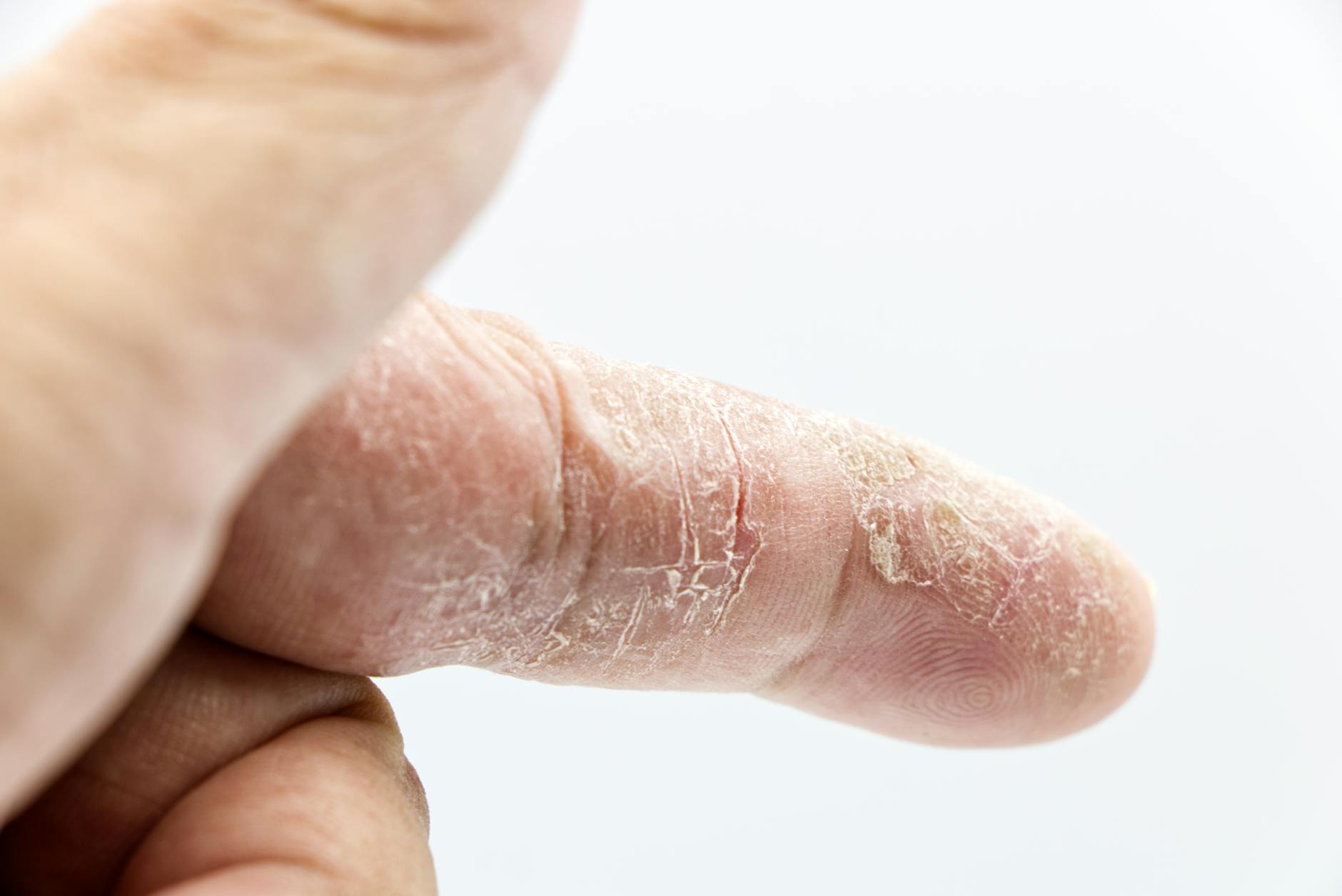
Many people report improvements in their eczema symptoms when following a ketogenic diet. The ketogenic diet is a very low-carbohydrate, high-fat eating plan that shifts the body’s primary fuel source from glucose to ketones. But what does the science say about the connection between keto and eczema?
What is Eczema?
Eczema, also known as atopic dermatitis, is a chronic inflammatory skin condition characterised by dry, itchy, and inflamed skin. It affects millions of people worldwide, including many in the UK, and can significantly impact quality of life. While the exact cause of eczema isn’t fully understood, it’s believed to involve a combination of genetic and environmental factors. Common triggers include allergens, irritants, stress, and even certain foods. Current treatments focus on managing symptoms through moisturisers, topical corticosteroids, and other medications.
Anecdotal Evidence: Keto and Eczema Relief
Many individuals with eczema have reported improvements in their skin condition after adopting a ketogenic diet. These anecdotal accounts often describe a reduction in itching, inflammation, and overall severity of eczema symptoms. Some people find that eliminating certain foods, such as processed carbohydrates and sugary snacks, as part of a keto lifestyle helps to reduce flare-ups. While these stories can be compelling, it’s important to distinguish them from scientific evidence.
The Science: Inflammation and the Ketogenic Diet
The ketogenic diet has been shown to have anti-inflammatory effects in the body. By restricting carbohydrate intake, the body enters a state of ketosis, where it produces ketones from fat. Ketones, particularly beta-hydroxybutyrate (BHB), have been shown to have anti-inflammatory properties. A ketogenic diet may improve metabolic syndrome independent of weight loss [4. Hyde PN, Sapper TN, Crabtree CD, et al. (2019). “Dietary carbohydrate restriction improves metabolic syndrome independent of weight loss”. JCI Insight. DOI: 10.1172/jci.insight.128308.]. Since inflammation plays a key role in eczema, it’s plausible that the anti-inflammatory effects of keto could contribute to symptom relief. However, direct research on keto and eczema is still limited.
Potential Mechanisms
Several mechanisms could explain the potential link between keto and eczema:
- Reduced Inflammation: As mentioned earlier, ketones may have anti-inflammatory effects.
- Gut Health: The keto diet can alter the gut microbiome, potentially reducing inflammation and improving overall gut health. Emerging research suggests a link between gut health and skin conditions like eczema. More research is needed to understand the relationship between the gut microbiome and keto.
- Elimination of Trigger Foods: By eliminating processed foods, sugars, and other potential allergens, individuals may inadvertently remove triggers that exacerbate their eczema.
What this means in practice
While scientific evidence is limited, the anecdotal reports are intriguing. If you’re considering a ketogenic diet for eczema, it’s crucial to consult with a healthcare professional or registered dietitian. They can help you assess whether keto is appropriate for you and guide you in implementing it safely and effectively. You might start by swapping out your usual loaf of sliced white for a low-carb alternative from the free-from aisle at Tesco, costing around £3.50. Remember that individual results may vary, and keto may not be suitable for everyone.
It’s also important to note that eczema management often requires a multi-faceted approach. A ketogenic diet should not replace conventional treatments prescribed by your doctor. Instead, it may be considered as a complementary strategy alongside moisturisers, topical medications, and other therapies.
Frequently asked questions
Can keto cure eczema?
No, there is no evidence to suggest that keto can cure eczema. Eczema is a chronic condition, and while keto may help manage symptoms in some individuals, it is not a cure.
Is keto safe for everyone with eczema?
Keto may not be suitable for everyone, especially those with certain medical conditions. It’s essential to consult with a healthcare professional before starting keto, particularly if you have any underlying health issues. There are specific keto contraindications to consider.
How long does it take to see results?
Results may vary. Some individuals may experience improvements in their eczema symptoms within a few weeks of starting keto, while others may not see any noticeable changes.
What are the potential risks of keto?
Potential risks of keto include the keto flu (temporary flu-like symptoms), nutrient deficiencies, and digestive issues. It’s important to follow a well-formulated keto diet and ensure adequate nutrient intake.
The bottom line
While anecdotal evidence suggests that a ketogenic diet may help improve eczema symptoms for some individuals, scientific evidence is currently limited. The anti-inflammatory effects of keto and the elimination of trigger foods may play a role. If you’re considering keto for eczema, consult with a healthcare professional to determine if it’s right for you and to ensure safe implementation. If you’d rather not do the macro maths yourself, the Keto Dieting app does it for you on Google Play and the App Store.
References
- Hyde PN, Sapper TN, Crabtree CD, et al. (2019). Dietary carbohydrate restriction improves metabolic syndrome independent of weight loss. JCI Insight. https://doi.org/10.1172/jci.insight.128308