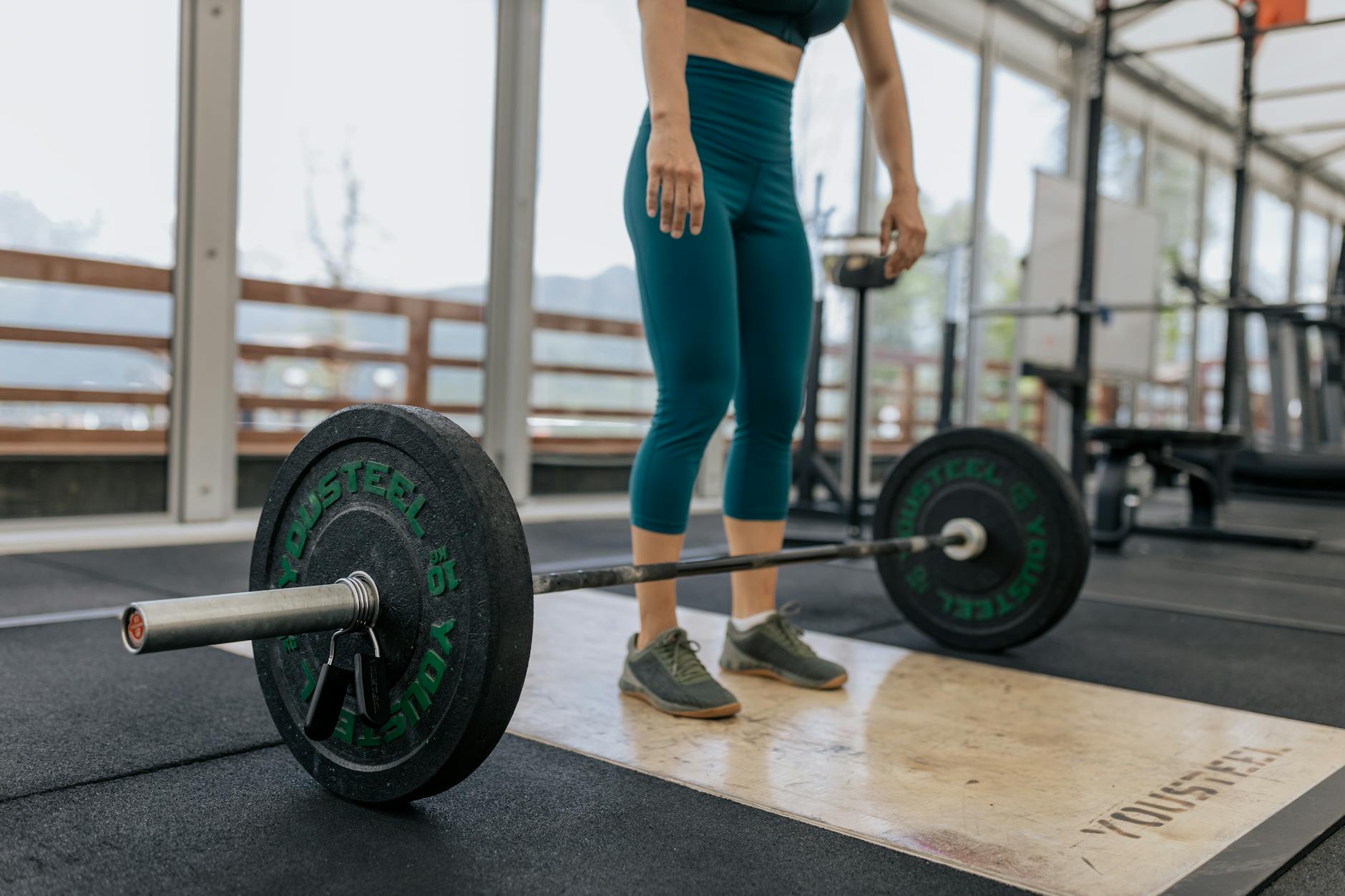
The ketogenic diet changes how the body fuels exercise, particularly for women adapting to strength training. Ketosis shifts energy metabolism from glucose to fat, altering workout performance and recovery. Women often report initial fatigue during adaptation, followed by steady energy levels once fat-adapted.
How Keto Affects Muscle Protein Synthesis
Research indicates that ketosis preserves lean mass during weight loss, a key concern for women strength training. A 2013 meta-analysis found very-low-carbohydrate diets led to similar fat loss but greater lean mass retention compared to low-fat diets. Protein intake remains critical – aim for 1.2-2.0 g per kg of body weight daily. the keto adaptation timeline explains why strength may dip temporarily before rebounding.
Electrolytes and Recovery
Women on keto who strength train need 3000-4000 mg potassium, 400-500 mg magnesium, and 5000-7000 mg sodium daily – roughly double standard recommendations. Aldi sells LoSalt for £1.09 per 125g, providing potassium without excess sodium. Dehydration risk increases when glycogen stores deplete, making electrolyte balance crucial for preventing cramps and maintaining workout intensity.
What This Means in Practice
A typical strength session on keto burns proportionally more fat than glycogen. Tesco’s MyProtein whey isolate (£25 for 1kg) supports post-workout protein needs without spiking insulin. Winter training benefits from warming bone broth (£1.80 per 500ml at Sainsbury’s) to replenish electrolytes. The NHS recommends strength training twice weekly for adults – keto makes this manageable without carb-loading.
Hormonal Considerations
Women’s monthly cycles affect keto adaptation. Luteal phase progesterone increases carb cravings – increasing calories from fat rather than carbs maintains ketosis. Studies show keto may help regulate PCOS symptoms, though individual responses vary. Tracking strength metrics alongside cycle phases provides useful personal data.
Frequently Asked Questions
Will keto make me weaker at strength training?
Initial strength may decrease during the 2-8 week adaptation phase as the body switches fuel sources. Most women regain full strength by week 12 while experiencing improved endurance.
How many carbs can I eat around workouts?
Stick to under 50g net carbs daily. Timing 15-25g around workouts may help performance without disrupting ketosis, but isn’t necessary for strength gains.
Should I take supplements?
Creatine monohydrate (5g daily) shows particular benefit for keto strength training. Omega-3s from algae or fish oil support recovery. Avoid pre-workouts with artificial sweeteners that may spike insulin.
The Bottom Line
Strength training on keto requires patience through adaptation but offers sustained energy and body composition benefits. Women often find they need fewer rest days between sessions once fat-adapted. Protein timing matters more than carb timing for muscle maintenance. If you’d rather not do the macro maths yourself, the Keto Dieting app does it for you on Google Play and the App Store.
References
- Bueno NB, de Melo IS, de Oliveira SL, da Rocha Ataide T (2013). Very-low-carbohydrate ketogenic diet v. low-fat diet for long-term weight loss: a meta-analysis of randomised controlled trials. British Journal of Nutrition. https://doi.org/10.1017/S0007114513000548
- Mavropoulos JC, Yancy WS, Hepburn J, Westman EC (2005). The effects of a low-carbohydrate, ketogenic diet on the polycystic ovary syndrome: a pilot study. Nutrition & Metabolism. https://doi.org/10.1186/1743-7075-2-35