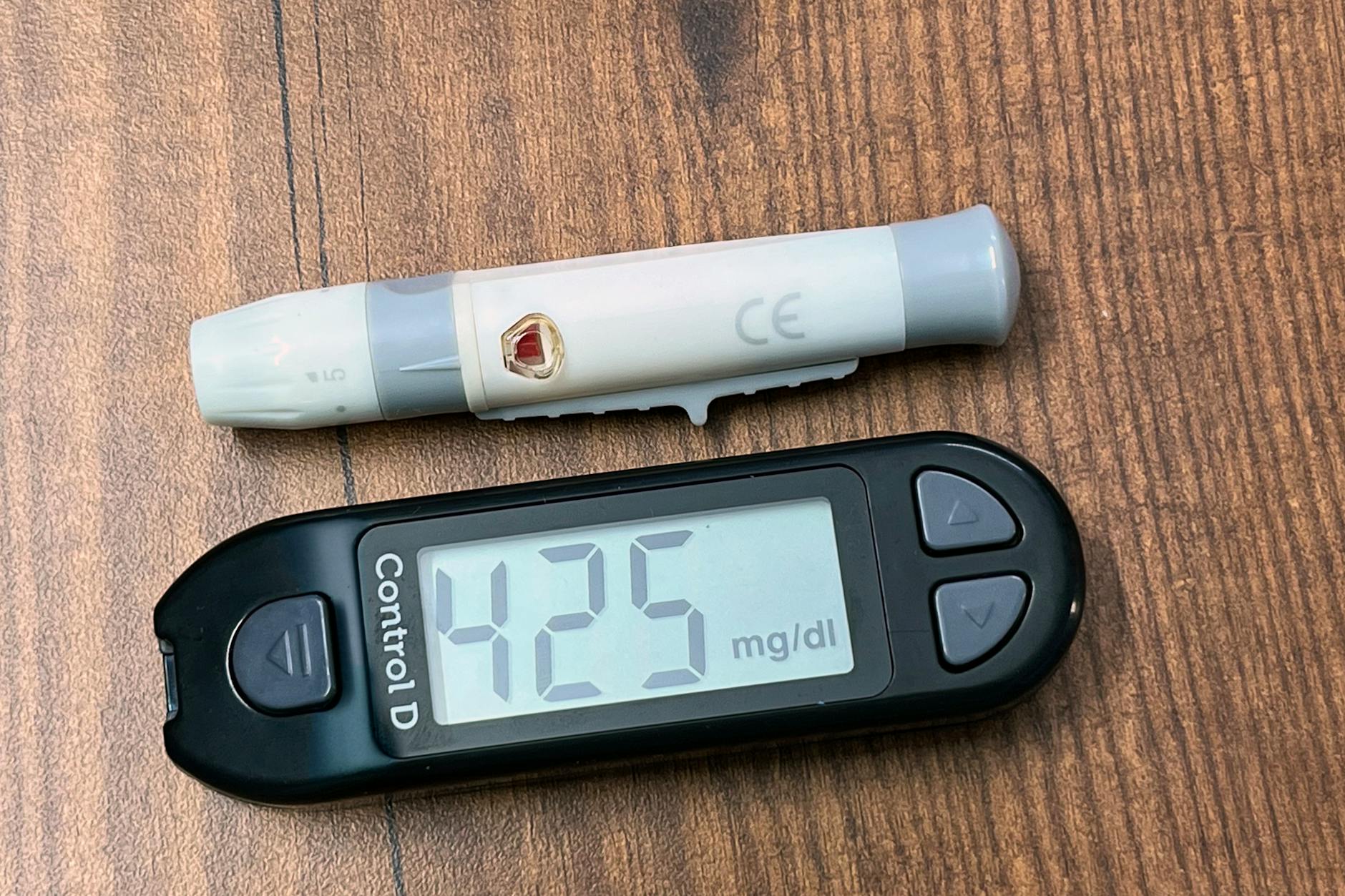
Fasting, or time-restricted eating, has gained popularity for its potential health benefits. However, for individuals with type 1 diabetes, fasting presents significant risks and requires extreme caution. Type 1 diabetes is an autoimmune condition where the pancreas does not produce insulin, a hormone essential for regulating blood glucose levels. Without insulin, glucose cannot enter cells for energy, leading to high blood sugar and potentially life-threatening complications.
The Risks of Fasting
People with type 1 diabetes rely on exogenous insulin to manage blood glucose. Fasting disrupts this delicate balance. Without food intake, it might seem logical to reduce or skip insulin doses. However, the liver continues to release glucose, and the body still requires basal insulin to function. Reducing insulin can lead to diabetic ketoacidosis (DKA), a dangerous condition where the body produces high levels of ketones, acidifying the blood. DKA can develop rapidly and requires immediate medical attention. Learn about ketoacidosis symptoms.
Even with careful monitoring, unpredictable blood glucose fluctuations are common during fasting. Hypoglycaemia (low blood sugar) can occur if too much insulin is administered, while hyperglycaemia (high blood sugar) can result from insufficient insulin. These fluctuations can be particularly dangerous, leading to confusion, loss of consciousness, or even coma.
Monitoring is Key
If a person with type 1 diabetes chooses to fast, close collaboration with a healthcare team is essential. Frequent blood glucose monitoring is crucial, often requiring checks every one to two hours. Insulin doses must be carefully adjusted based on blood glucose levels and individual needs. Ketone levels should also be monitored to detect early signs of DKA. It’s generally not recommended to attempt intermittent fasting without direct medical supervision.
What this means in practice
In the UK, the NHS provides comprehensive guidance on managing type 1 diabetes. However, this guidance does not generally include advice on fasting, due to the inherent risks. If you’re considering fasting, discuss this thoroughly with your GP or endocrinologist. They can assess your individual risk factors and provide personalised recommendations. Remember that blood glucose monitoring strips, which are essential for safe fasting, can cost around £15-£20 per box at Boots or other pharmacies. Explore the benefits of a continuous glucose monitor.
Frequently asked questions
Can I fast safely with type 1 diabetes?
Fasting with type 1 diabetes is generally not recommended due to the high risk of complications like DKA and severe blood glucose fluctuations. If you are considering fasting, you must consult with your healthcare team for guidance and close monitoring.
What are the signs of DKA?
Symptoms of DKA include excessive thirst, frequent urination, nausea, vomiting, abdominal pain, fruity-smelling breath, and confusion. If you experience any of these symptoms, seek immediate medical attention.
How often should I check my blood glucose while fasting?
If you are fasting with type 1 diabetes, you should check your blood glucose frequently, typically every one to two hours, or as directed by your healthcare provider. This will help you to monitor your blood sugar levels and adjust your insulin doses as needed.
The bottom line
Fasting with type 1 diabetes carries significant risks and should only be considered under strict medical supervision. The potential for dangerous blood glucose fluctuations and DKA necessitates careful monitoring and insulin adjustments. Prioritise your health and well-being by consulting with your healthcare team before attempting any form of fasting. If you’d rather not do the macro maths yourself, the automatic blood glucose tracking in the Keto Dieting app does it for you on Google Play and the App Store.
References
- Yancy WS, Foy M, Chalecki AM, Vernon MC, Westman EC (2005). A low-carbohydrate, ketogenic diet to treat type 2 diabetes. Nutrition & Metabolism. https://doi.org/10.1186/1743-7075-2-34