
Breaking a Long Fast Safely on Keto
The ketogenic diet changes how your body processes food after periods without eating. After 24 hours or more without food, your digestive system becomes more sensitive, and breaking the fast incorrectly can lead to discomfort or blood sugar spikes. This is particularly relevant for those combining intermittent fasting with keto, where the body is already adapted to using fat for fuel.
Why breaking fasts requires care
Extended fasting reduces stomach acid production and slows digestive enzyme activity. A 2013 study in the British Journal of Nutrition found that very-low-carbohydrate diets already alter gut transit time compared to standard diets (Bueno et al., 2013). When reintroducing food after 36+ hours, large portions or hard-to-digest foods can cause bloating, cramps, or diarrhoea. the keto adaptation timeline explains why fat tolerance varies between individuals.
Optimal foods to break a fast
Start with small portions of easily digestible foods:
- Bone broth (£2.50 for 500ml at Waitrose) provides electrolytes without fibre
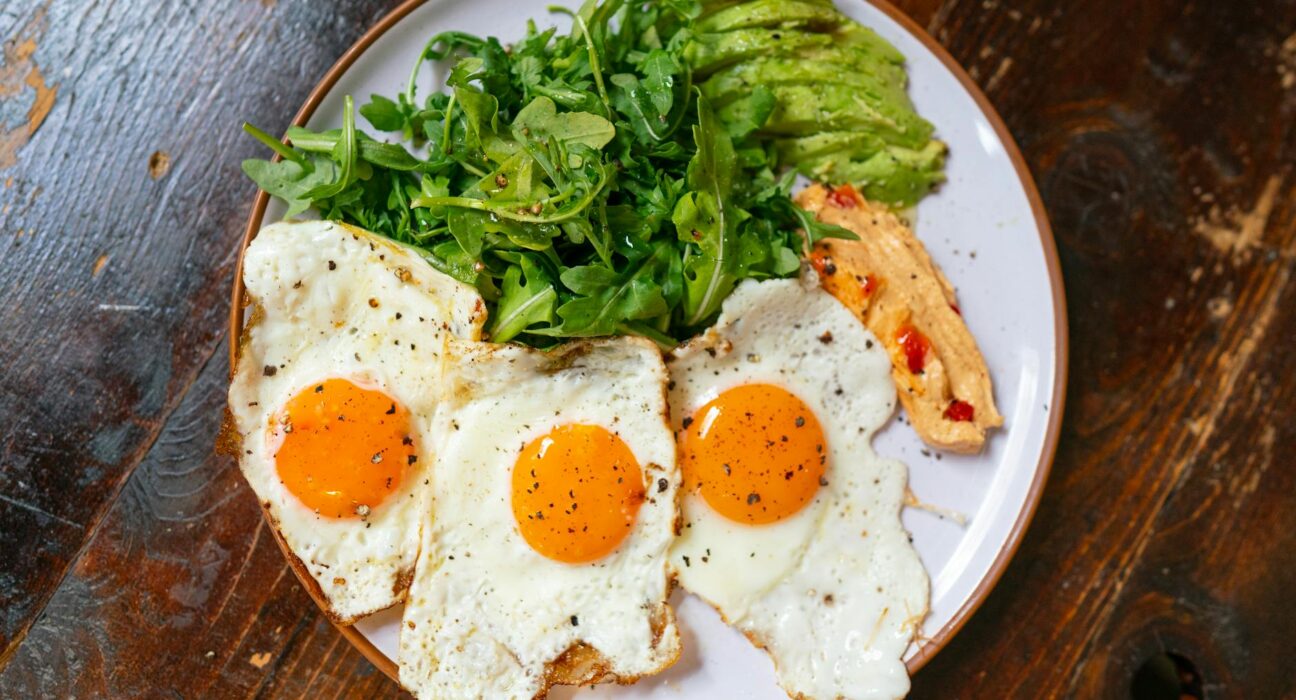
- Soft scrambled eggs with butter
- Avocado (ripe Hass variety, £1.80 each at Sainsbury’s)
- Cooked spinach or courgette
Avoid raw vegetables, nuts, and dairy for the first meal. The high fibre content in raw plants can irritate an empty digestive tract, while nuts require significant enzyme activity to break down.
What this means in practice
For most people in the UK breaking a 48-hour fast, a starter portion of about 200-300 calories works well. Try this sequence:
1. 4pm: Warm mug of bone broth with 1/4 tsp sea salt 2. 5pm: Two scrambled eggs cooked in 15g butter 3. 7pm: 50g smoked salmon with 1/4 avocado
Space meals 2-3 hours apart during the autumn and winter when natural light exposure is limited. Tesco’s Scottish smoked salmon (£3 for 100g) provides quality protein without additives that might trigger insulin responses.
Managing electrolytes when refeeding
Extended fasting depletes sodium, potassium and magnesium. The NHS recommends 6g of salt daily for adults, but requirements increase after fasting. Add 1/4 tsp pink Himalayan salt to your first meal and consider common keto electrolyte mistakes if experiencing headaches or muscle cramps.
Frequently asked questions
How soon after breaking a fast can I eat normally?
Wait 24 hours before introducing high-fibre foods or large portions. Your second day should still focus on easily digestible proteins and cooked vegetables before returning to your standard keto meals.
Can I break a fast with bulletproof coffee?
Not ideal for the first meal. The high fat content without accompanying nutrients may overwhelm your digestive system. Save bulletproof coffee for subsequent meals once your gut has reactivated properly.
Will breaking a fast kick me out of ketosis?
Unlikely if you maintain low carbohydrates. A study in Nutrition & Metabolism found that protein-rich meals without carbs typically don’t disrupt ketosis (Westman et al., 2008).
The bottom line
Breaking a long fast requires gradual reintroduction of food, starting with liquids and soft proteins before progressing to fats and fibrous vegetables. This approach minimises digestive distress while maintaining the metabolic benefits of both fasting and ketosis. If you’d rather not do the macro maths yourself, the Keto Dieting app does it for you on Google Play and the App Store.
References
- Bueno NB, de Melo IS, de Oliveira SL, da Rocha Ataide T (2013). Very-low-carbohydrate ketogenic diet v. low-fat diet for long-term weight loss: a meta-analysis of randomised controlled trials. British Journal of Nutrition. https://doi.org/10.1017/S0007114513000548
- Westman EC, Yancy WS, Mavropoulos JC, Marquart M, McDuffie JR (2008). The effect of a low-carbohydrate, ketogenic diet versus a low-glycemic index diet on glycemic control in type 2 diabetes mellitus. Nutrition & Metabolism. https://doi.org/10.1186/1743-7075-5-36