
How to Handle Cravings in the First Two Weeks of Keto
The ketogenic diet can be a powerful tool for weight management and metabolic health. However, the initial period can be challenging as your body adapts to burning fat for fuel instead of carbohydrates. Cravings, especially for sugary and starchy foods, are a common hurdle during these first two weeks. Understanding why these cravings occur and having strategies to manage them is crucial for success.
Why Do Keto Cravings Happen?
When you drastically reduce your carbohydrate intake, your body needs time to adjust. Before keto-adaptation, your body is used to running on glucose derived from carbohydrates. Suddenly depriving it of this primary fuel source can lead to intense cravings. These cravings are driven by a combination of factors, including hormonal changes and psychological habits. Ghrelin, often called the “hunger hormone”, may surge as your body signals that it needs more glucose. Sumithran et al (2013) found that appetite-mediating hormones play a key role in cravings during weight loss [5]. Furthermore, the absence of carbohydrate-rich foods can disrupt your usual dopamine reward pathways, leading to a desire for those familiar comfort foods.
Practical Tips to Beat Early Keto Cravings
- Stay Hydrated: Drink plenty of water throughout the day. Sometimes, thirst can be mistaken for hunger. Add a pinch of salt to your water to help replenish electrolytes, which can be depleted during the initial stages of keto. Electrolyte imbalances can exacerbate cravings, so maintaining proper hydration is key.
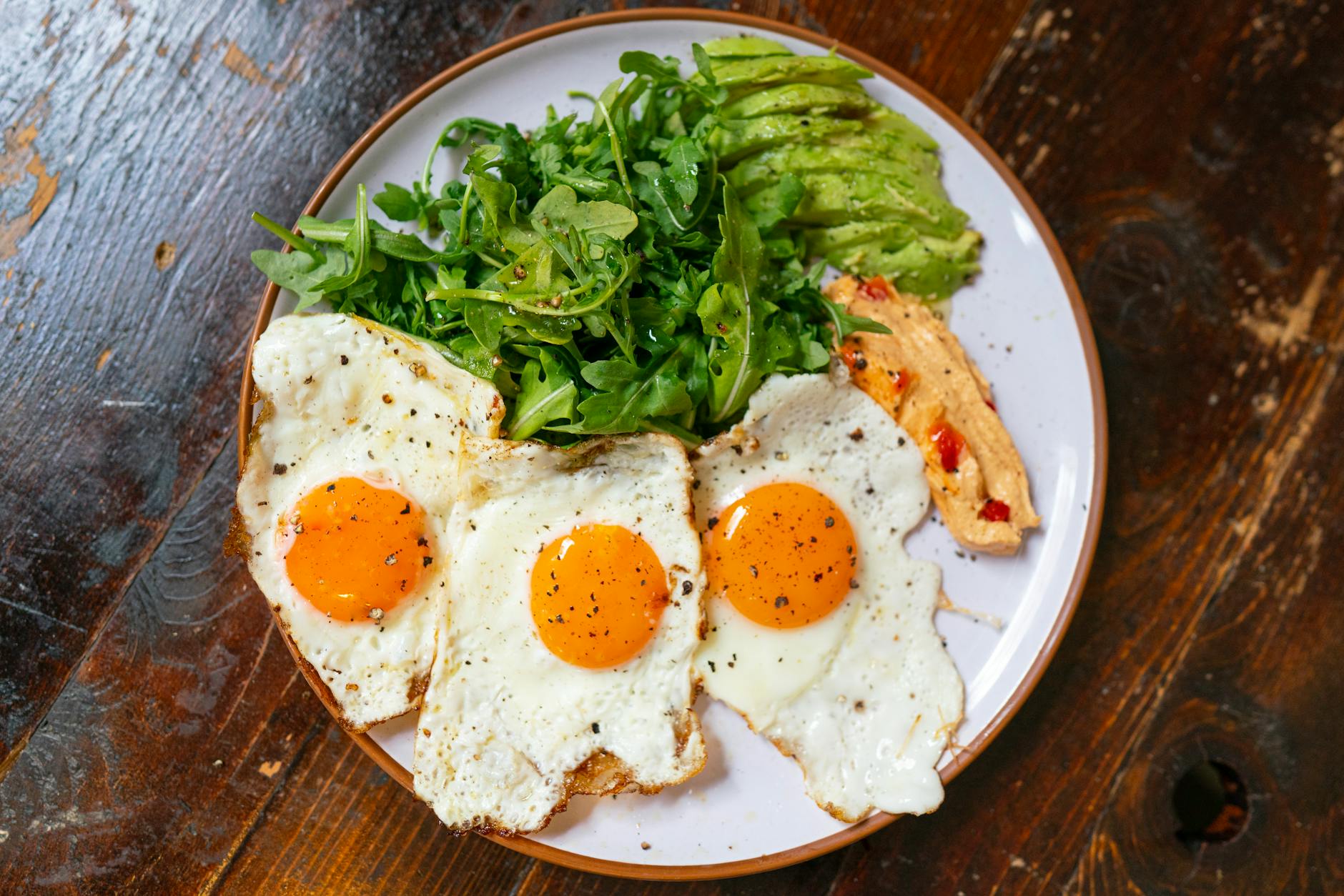
- Increase Healthy Fat Intake: Fat is your new primary fuel source on keto. Ensure you are consuming enough healthy fats like avocados, olive oil, and nuts. These fats help you feel full and satiated, reducing the urge to reach for sugary or starchy snacks. Consider adding a tablespoon of coconut oil to your morning coffee for an extra boost.
- Prioritise Protein: Protein is also very satiating. Include protein-rich foods like meat, fish, eggs, and tofu in your meals. Protein helps stabilise blood sugar levels and keeps you feeling fuller for longer, reducing cravings. A protein shake can be a convenient way to increase your protein intake.
- Manage Stress: Stress can trigger cravings. Find healthy ways to manage stress, such as exercise, meditation, or spending time in nature. Chronic stress elevates cortisol levels, which can increase appetite and cravings for unhealthy foods. A brisk walk in the park can do wonders for stress management.
- Plan Your Meals: Meal planning is essential for success on keto. Plan your meals and snacks in advance to avoid impulsive decisions when cravings strike. Having healthy keto-friendly options readily available will make it easier to resist unhealthy temptations. Batch cooking on the weekend can save you time and effort during the week.
What This Means in Practice
Imagine it’s a typical Tuesday afternoon, and you’re hit with a craving for biscuits. Instead of reaching for the biscuit tin, try one of the strategies above. A handful of almonds (about 30g for £1 at Aldi) can provide healthy fats and protein to satisfy your hunger. Alternatively, prepare a keto-friendly snack like cheese slices or celery sticks with cream cheese. Keeping these options readily available will make it easier to resist the urge to indulge in high-carb treats. Remember that electrolyte balance is important, so consider adding a sugar-free electrolyte drink to your routine.
Don’t Give Up!
It’s important to remember that cravings are temporary. As your body adapts to using fat for fuel, these cravings will subside. Be patient with yourself and celebrate small victories along the way. If you slip up, don’t beat yourself up about it. Just get back on track with your next meal. Bueno et al (2013) showed in a meta-analysis that very-low-carbohydrate ketogenic diets can be effective for long-term weight loss [1].
Frequently Asked Questions
How long will the cravings last?
Cravings typically peak during the first week or two of starting keto and gradually decrease as your body becomes keto-adapted. For most, the worst is over within a month.
Can I have cheat meals on keto?
While occasional cheat meals may seem tempting, they can disrupt your progress and trigger cravings. It’s generally best to avoid them, especially during the initial adaptation phase.
What if I accidentally eat too many carbs?
Don’t panic. One high-carb meal won’t completely derail your progress. Just get back to your keto diet with your next meal and stay consistent.
Are there any supplements that can help with cravings?
Some people find that supplements like chromium picolinate or glucomannan can help reduce cravings. However, it’s always best to consult with a healthcare professional before taking any new supplements.
What can I snack on during the first two weeks?
Good keto-friendly snacks include nuts, seeds, cheese, avocado, hard-boiled eggs, and celery sticks with cream cheese. Plan ahead and keep these options readily available.
The Bottom Line
Managing cravings during the first two weeks of keto is essential for long-term success. By staying hydrated, prioritising healthy fats and protein, managing stress, and planning your meals, you can overcome these challenges and achieve your health goals. Remember that the initial discomfort is temporary, and the benefits of keto adaptation are well worth the effort. If you’d rather not do the macro maths yourself, the automatic macro calculator in the Keto Dieting app does it for you on Google Play and the App Store.
References
- Bueno NB, de Melo IS, de Oliveira SL, da Rocha Ataide T (2013). Very-low-carbohydrate ketogenic diet v. low-fat diet for long-term weight loss: a meta-analysis of randomised controlled trials. British Journal of Nutrition. https://doi.org/10.1017/S0007114513000548
- Sumithran P, Prendergast LA, Delbridge E, et al. (2013). Ketosis and appetite-mediating nutrients and hormones after weight loss. European Journal of Clinical Nutrition. https://doi.org/10.1038/ejcn.2013.90