
The Cheapest Keto Lunches in the UK
The ketogenic diet doesn’t have to break the bank. With careful planning and smart shopping, you can assemble satisfying low-carb lunches for less than £2 per serving. The key lies in prioritising high-fat, moderate-protein ingredients that are naturally inexpensive – eggs, tinned fish, and seasonal vegetables top the list.
Where to save money on keto staples
Supermarkets like Aldi and Lidl consistently offer the best prices on keto basics. A dozen large eggs costs around £1.89 at Aldi, while a 200g pack of mature cheddar comes in at £1.75. Frozen spinach (750g for £1 at Asda) provides fibre and nutrients at a fraction of fresh prices. batch cooking keto meals becomes economical when buying these ingredients in bulk.
Tinned fish deserves special mention. A 120g tin of sardines in olive oil costs just 85p at Tesco, delivering 23g of protein and healthy fats. Pair with a 30p bag of mixed salad leaves for a complete £1.15 lunch. For those who prefer poultry, whole chickens often work out cheaper per kilogram than pre-cut portions – roast one on Sunday for £3.50 and use the meat all week.
What this means in practice
British winters call for warming, inexpensive meals. A hearty keto soup made with 500g of frozen cauliflower (£1 at Sainsbury’s), 100ml double cream (65p), and chicken stock (20p per cube) yields four portions at 46p each. Add leftover roast chicken to boost the protein. In summer, opt for egg salads with cucumber and mayo – six hard-boiled eggs (£1), half a cucumber (30p), and two tablespoons of mayo (20p) make two lunches at 75p each.
keto electrolyte supplements aren’t strictly necessary for everyone, but if you experience fatigue, a pinch of salt (1p) and half a teaspoon of lo-salt (3p) in water costs practically nothing compared to commercial products. This approach keeps lunch costs firmly below the £2 target while meeting macronutrient needs.
Five budget keto lunch formulas
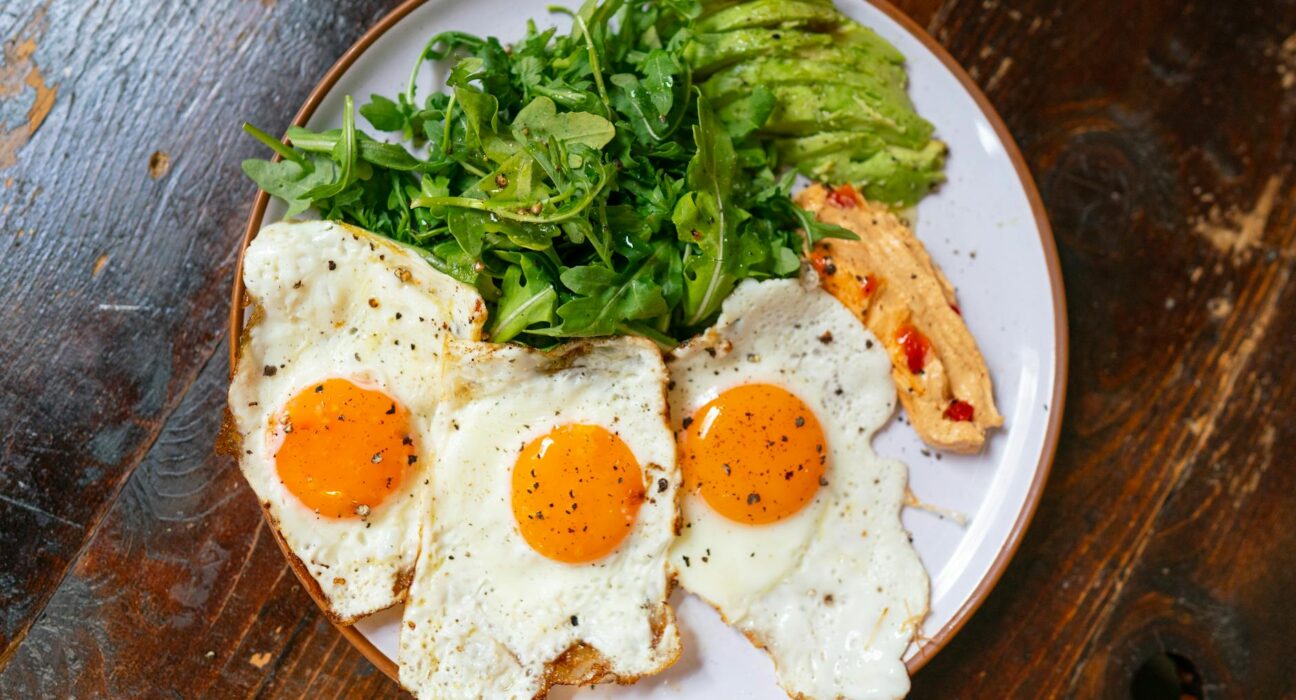
1. Tinned fish + greens: Mackerel (85p) + bagged spinach (60p) = £1.45 2. Eggs + cheese: 3 boiled eggs (47p) + 50g cheddar (44p) = 91p 3. Leftover meat + salad: 100g chicken (35p) + lettuce (20p) + mayo (10p) = 65p 4. Liver pâté + celery: Chicken liver pâté (75p per 100g) + celery sticks (30p) = £1.05 5. Cottage cheese + seeds: 100g cottage cheese (45p) + 10g sunflower seeds (10p) = 55p
These combinations provide at least 15g protein and keep net carbs under 5g per serving. Buying store-brand products and shopping seasonally brings costs down further. A bag of wonky avocados often costs 30% less than perfect specimens.
Frequently asked questions
Can I eat keto on £20 a week?
Yes, focusing on eggs (£1.89/dozen), tinned fish (85p), frozen veg (£1/kg), and cheaper cuts of meat like chicken thighs (£2.50/kg) makes keto feasible on £20. Batch cooking prevents waste and saves time.
Are processed meats like ham keto-friendly?
While technically low-carb, processed meats often contain additives and excess salt. Fresh or frozen meats provide better nutrition per penny spent. If using ham, opt for higher-welfare options when possible.
How do I get enough fibre on budget keto?
Cabbage (19p/100g at Lidl), cauliflower (£1/head), and flaxseeds (£1.50/250g) provide affordable fibre. Psyllium husk (£3 for 200g) lasts months when used sparingly in baking.
The bottom line
Eating keto in the UK needn’t cost more than conventional lunches. By prioritising whole foods, buying store brands, and preparing meals yourself, you can stay under £2 per serving while meeting your macros. If you’d rather not do the macro maths yourself, the Keto Dieting app does it for you on Google Play and the App Store.
References
- Bueno NB, de Melo IS, de Oliveira SL, da Rocha Ataide T (2013). Very-low-carbohydrate ketogenic diet v. low-fat diet for long-term weight loss: a meta-analysis of randomised controlled trials. British Journal of Nutrition. https://doi.org/10.1017/S0007114513000548
- Hyde PN, Sapper TN, Crabtree CD, et al. (2019). Dietary carbohydrate restriction improves metabolic syndrome independent of weight loss. JCI Insight. https://doi.org/10.1172/jci.insight.128308