

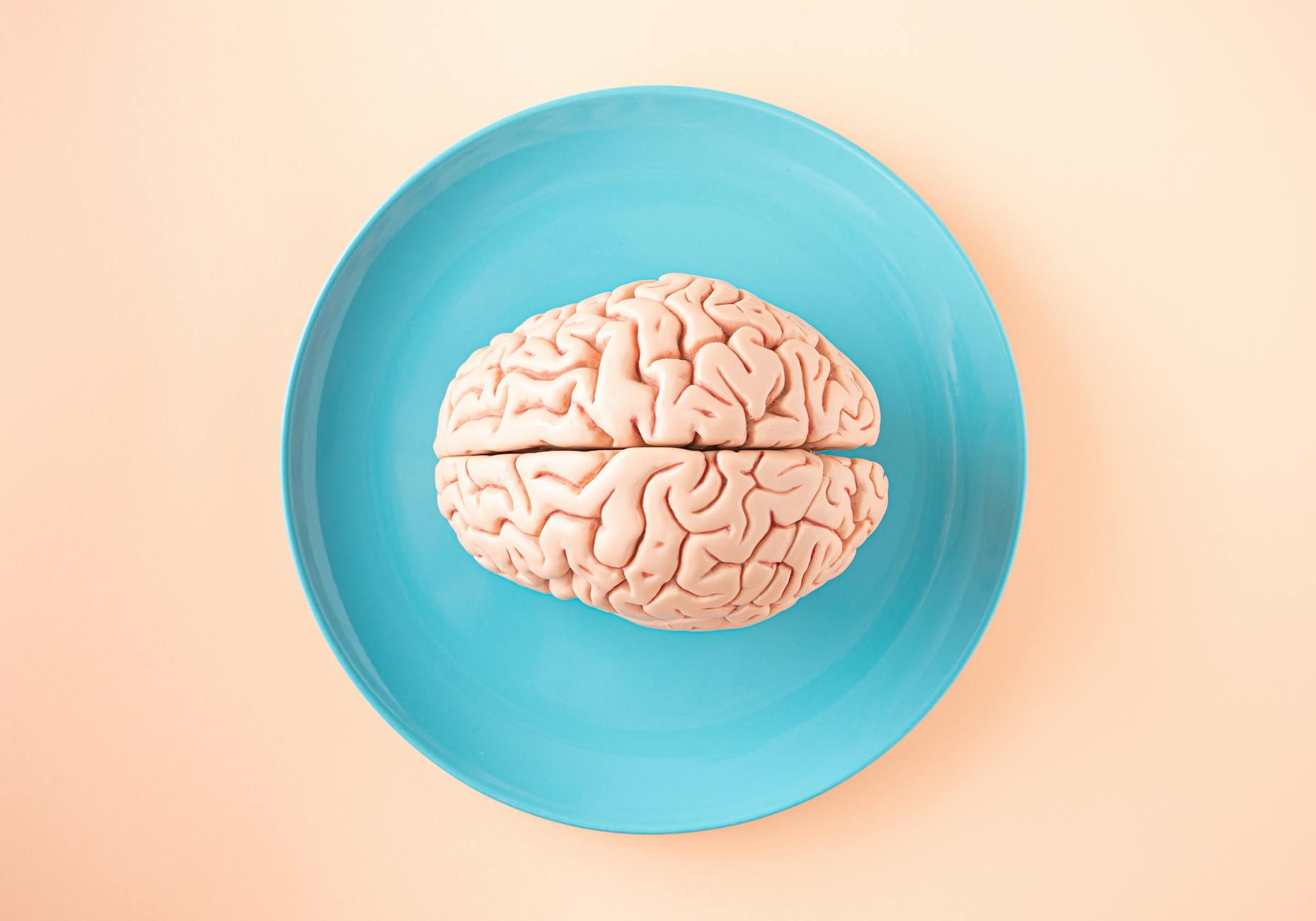
The Brain Glucose-Sparing Effect of Ketones
The ketogenic diet shifts the body’s primary fuel source from glucose to ketones. This metabolic adaptation has particular significance for the brain, which typically relies heavily on glucose. Ketones provide an alternative energy source, allowing the brain to reduce its glucose demand—a phenomenon known as the glucose-sparing effect.
How Ketones Fuel the Brain
Under normal conditions, the brain consumes about 120g of glucose daily. During prolonged carbohydrate restriction, ketone bodies (beta-hydroxybutyrate, acetoacetate, and acetone) cross the blood-brain barrier via monocarboxylate transporters. Research indicates ketones can supply up to 70% of the brain’s energy needs during sustained ketosis, with the remainder coming from glucose produced via gluconeogenesis.
This shift matters because it reduces the brain’s dependency on dietary carbohydrates. the keto adaptation timeline varies between individuals, but most people achieve significant ketone production within 2-4 days of strict carbohydrate restriction.
Metabolic and Cognitive Implications
A 2017 review in Nutrients analysed how ketones influence brain metabolism (Kosinski & Jornayvaz, DOI: 10.3390/nu9050517). The authors noted ketones may enhance mitochondrial efficiency and reduce oxidative stress in neural tissues. This could explain why some people report improved mental clarity during ketosis, though individual responses vary.
The glucose-sparing effect also has implications for metabolic health. By reducing the brain’s glucose demand, the body requires less gluconeogenesis—a process that can strain metabolic flexibility in people with insulin resistance.
What This Means in Practice
Achieving meaningful ketone production requires limiting net carbohydrates to about 20-50g daily. UK supermarkets like Tesco stock keto-friendly staples: £1.80 for 500g of mature cheddar, £2.50 for 400g of spinach, and £4 for a dozen free-range eggs. Seasonal berries (50g portions) can fit within carb limits during British summer months.
Monitoring ketones isn’t strictly necessary, but some find it motivating. Blood ketone meters provide the most accurate readings, though urine strips offer a cheaper (£8 for 50 strips) if less precise alternative.
Frequently Asked Questions
How long does it take for the brain to use ketones efficiently?
Most people begin producing ketones within 24-48 hours of carbohydrate restriction, but full adaptation—where the brain efficiently uses ketones—typically takes 3-6 weeks. During this period, some experience temporary fatigue or brain fog.
Can the brain function without any glucose?
No. Even in deep ketosis, the brain requires some glucose—about 30-40g daily—for certain functions. The liver produces this via gluconeogenesis from protein and glycerol.
Do ketones improve cognitive performance?
Evidence is mixed. Some studies suggest ketones may support focus in people with metabolic disorders, but robust evidence in healthy adults is lacking. Individual responses vary significantly.
The Bottom Line
The brain glucose-sparing effect demonstrates metabolic flexibility—the ability to switch between fuel sources based on availability. For those following a ketogenic diet, this mechanism provides an alternative energy pathway that may support both cognitive and metabolic health. If you’d rather not do the macro maths yourself, the Keto Dieting app does it for you on Google Play and the App Store.
References
- Kosinski C, Jornayvaz FR (2017). Effects of Ketogenic Diets on Cardiovascular Risk Factors: Evidence from Animal and Human Studies. Nutrients. https://doi.org/10.3390/nu9050517
- Paoli A, Rubini A, Volek JS, Grimaldi KA (2013). Beyond weight loss: a review of the therapeutic uses of very-low-carbohydrate (ketogenic) diets. European Journal of Clinical Nutrition. https://doi.org/10.1038/ejcn.2013.116


