
Rendering Lard at Home for Keto Cooking
The ketogenic diet relies heavily on quality fats, and few are as versatile as properly rendered lard. Unlike vegetable oils, lard contains minimal polyunsaturated fats and withstands high temperatures, making it ideal for frying and baking. While supermarkets sell pre-rendered lard, homemade versions offer superior flavour and control over sourcing.
Why Render Your Own Lard
Commercial lard often undergoes hydrogenation to extend shelf life, introducing trans fats. A 500g block of supermarket lard costs around £1.50, but butcher’s pork fat can be sourced for under £3 per kilogram. Rendering at home ensures no additives while yielding both cooking fat and crispy cracklings. keto-friendly cooking oils like ghee and tallow share similar benefits but require different preparation methods.
Sourcing Pork Fat in the UK
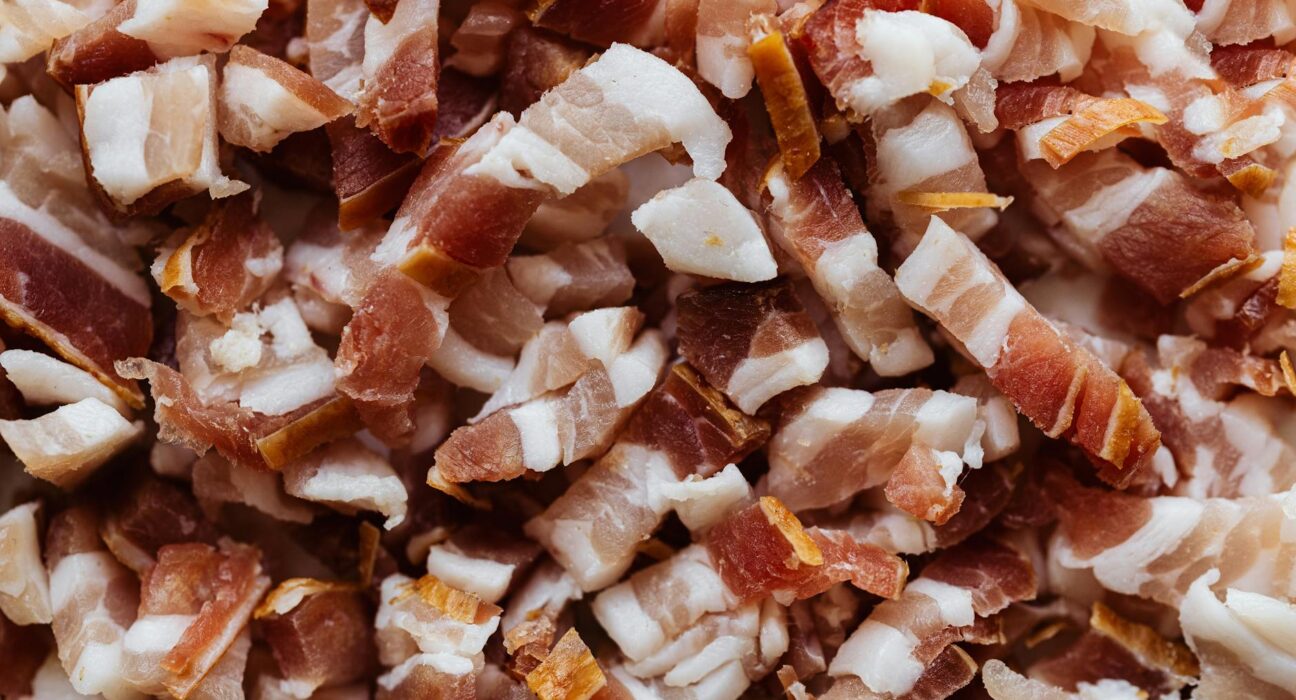
British butchers call pork fat by different names depending on the cut. Leaf lard from around the kidneys produces the mildest flavour, ideal for pastries. Back fat works well for general cooking. Most UK supermarkets including Tesco and Sainsbury’s stock pork belly with thick fat caps, though specialist butchers offer better value in bulk. Ask for ‘pork fat for rendering’ – some charge as little as £2/kg for offcuts.
The Rendering Process
1. Chop 1kg fat into 2cm cubes (smaller pieces render faster) 2. Add 125ml water to prevent burning 3. Cook on low heat for 2-3 hours until golden 4. Strain through muslin into sterilised jars 5. Refrigerate for up to 6 months
The water evaporates during cooking, leaving pure fat. Slow rendering at 120°C preserves nutrients while preventing smoke. electrolyte balance on keto becomes particularly important when handling hot fats to avoid dehydration.
What This Means in Practice
A Saturday morning rendering session yields enough lard for weeks of keto cooking. At current UK prices, homemade lard costs approximately £1.20 per 250ml versus £2.50 for equivalent supermarket versions. The byproduct – crispy pork scratchings – makes a high-fat snack. In winter months, rendered lard stores well in a cool pantry, though refrigeration extends shelf life.
Cooking with Rendered Lard
With a smoke point of 190°C, lard outperforms most vegetable oils for frying. It creates flakier pastry than butter due to larger fat crystals. Many traditional British recipes like suet puddings adapt well to keto when using home-rendered lard instead of flour. One tablespoon provides 13g fat with zero carbs, perfectly aligning with ketogenic macros.
Frequently Asked Questions
Is lard healthier than vegetable oil?
Rendered lard contains primarily monounsaturated fats and minimal polyunsaturated fats linked to inflammation. Unlike industrial seed oils, it undergoes no chemical processing when made at home.
How do I know when the rendering is complete?
The fat cubes turn golden brown and shrink to about one-third their original size. Bubbles become small and infrequent when most water has evaporated.
Can I use an Instant Pot for rendering?
Yes. Pressure cooking reduces rendering time to about 90 minutes on the ‘slow cook’ setting. Ensure the venting knob is open to allow moisture escape.
The Bottom Line
Home-rendered lard provides an affordable, high-quality fat source for ketogenic cooking. The process requires minimal equipment – just a heavy pot and sieve. With proper storage, one batch lasts months. If you’d rather not do the macro maths yourself, the Keto Dieting app does it for you on Google Play and the App Store.
References
- Hyde PN, Sapper TN, Crabtree CD, et al. (2019). Dietary carbohydrate restriction improves metabolic syndrome independent of weight loss. JCI Insight. https://doi.org/10.1172/jci.insight.128308
- Volek JS, Phinney SD, Forsythe CE, et al. (2008). Carbohydrate restriction has a more favorable impact on the metabolic syndrome than a low fat diet. Lipids. https://doi.org/10.1007/s11745-008-3274-2